
The duffel bag is as emblematic of boating life as the apple pie is the quintessence of America(na).
Why, then, are we all still lugging around these bulky, burdensome sacks of canvas? Sure, there’s cultural cache (don’t be caught dead queued up for the launch without one), historical significance (they were once proudly cut from retired sailcloth), and so on. And they’re not harsh on the eyes, per se.
But then how many times has yours gone in the drink, been soaked with diet Coca-Cola—or irreparably sodden with worse? It’s not an easy proposition to tidy the canvas tote’s contents, nor the bag itself.
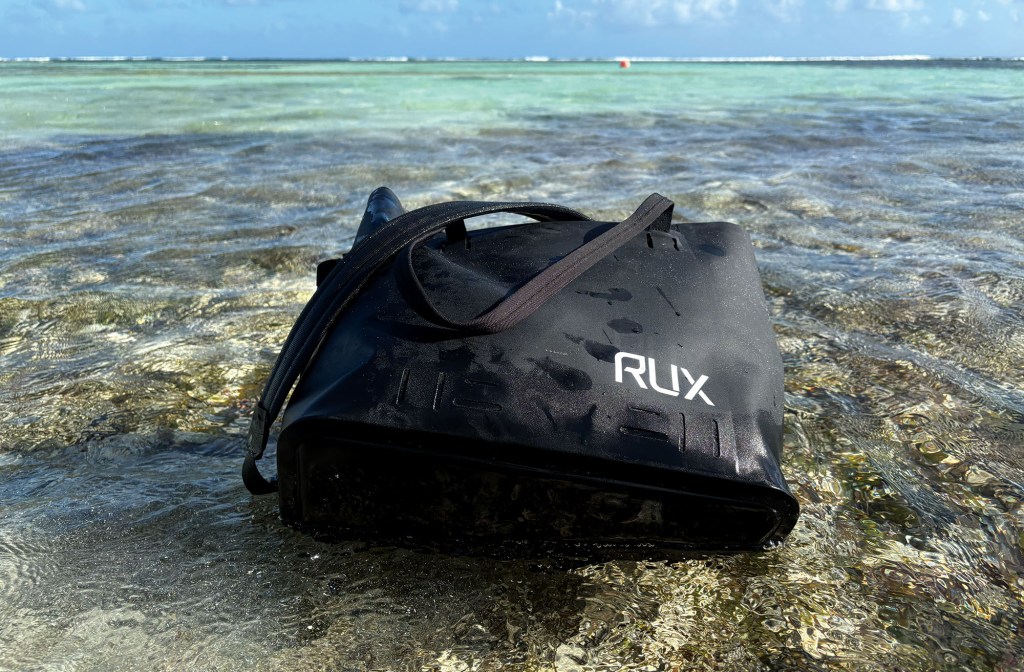
For some reason, the airtight, watertight duffel bag has been a long, long time in the making. Far too long, if you ask me. Right when I was at the point of deciding it would fall upon me to produce a design and file a patent, the British Columbia-founded brand Rux saved me that arduous task—which, admittedly, would have been far too large and practical for my peripatetic, pea-sized noggin.
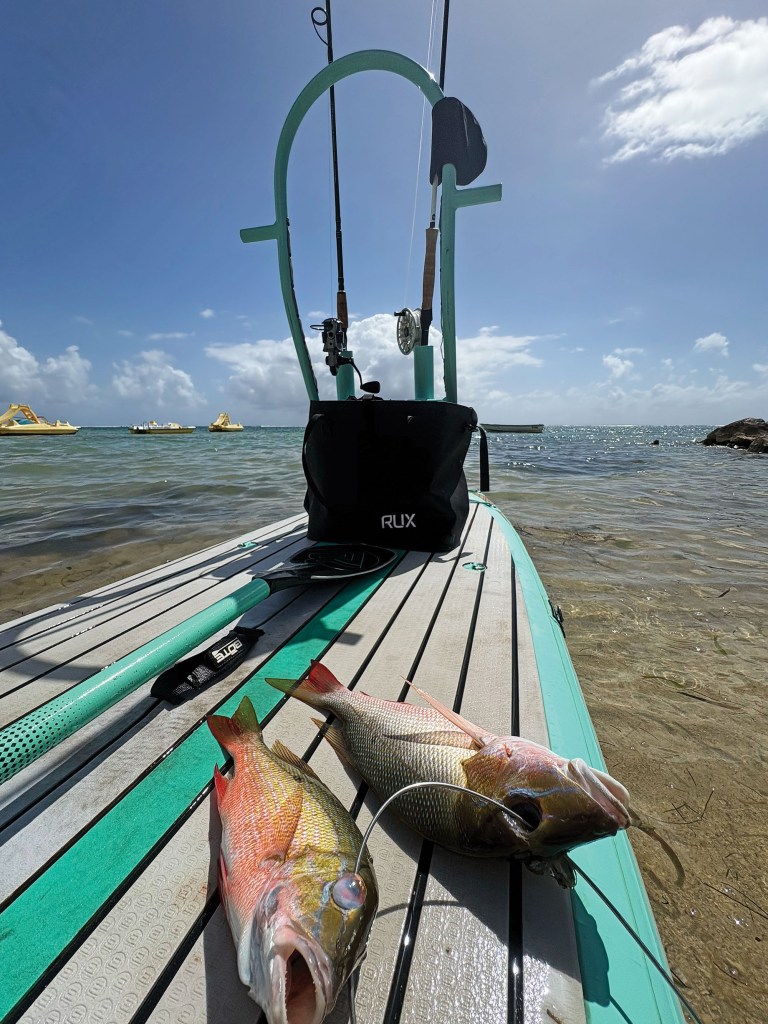
And Rux saved us all from having to decide between the bizarrely tube-shaped quotidian dry bag of yesteryear and one which we can open, sift through, and from which we can fish out particular contents without having to pour the thing out on deck in the middle of a rain squall while looking for, oh, I don’t know, perhaps a phone, a backup VHF, or, hell, an EPIRB or PLB?
Sure, it’s not the natural, organic cotton of our beloved duffels of old, and their stark, somewhat modern look might be a little edgy for some tastes, but there are different colorways to lend a little yachty cheeriness to make up for all that.
But then what of the beautiful faculty of this 30-liter (or “25+”-liter) welded-seam, zipperless sack? At less than a pound and a quarter, it fits almost flush inside luggage despite being 13 inches (by 9 by 14) when opened full, and Rux, which makes a series of storage systems, also offers rigid, cube-shaped inserts for more specific organization.
There are plenty of heavy-duty, waterproof totes out there, but they tend to weigh a proverbial ton, and they don’t have drybag-like rolltops to prevent water from entering from above. Those bags are great for keeping water in, and I still use some from various brands for waders, boots, and wetsuits, but they’re no good for a camera, critical documents, or even a change of (dry) clothes, for that matter.
Further on the technical front, there are lash points galore; a large, magnetic outside pocket; an internal pocket perfect for documents; sturdily stitched straps (with a grippy, comfortable, removable shoulder strap); a compression strap. And if you don’t want to appear too sporty, the rolltop folds into the bag itself, reminiscent of a classic duffel.
The Rux bag has become my go-to on boats and on my paddleboard in particular (which often houses the several grand in camera equipment used even for this very assignment), but it has also, in various stages, been a baby bag (fits nicely under strollers), a clandestine storage compartment underneath car seats to conceal, among other things, camera gear, my wife’s purse(s), and fishing reels. Having stored it in the trunk so often, I’ve also come to realize it makes for an excellent heavy-duty grocery bag that handles and recovers from spills magnificently. A quick shower with some detergent, a prop or hang upside-down, and she’s good as new in no time.
I don’t ever get the sense that I’ve used my Rux to all ends of its purposefulness in my wandering life that—thanks in no small part to this very occupation—is largely aquatic, and something tells me that even with all the luck and travels in the world, I never will.
A worthy addition or three to any boating household, indeed. On that note, I may just go buy another.
This article originally appeared in the June/July 2026 issue of Power & Motoryacht magazine.