The Y-shaped alpine-clad banks of Italy’s Lake Como have long been a traveler’s delight, proving irresistible to royalty, movie stars, and the global elite. Hollywood A-lister George Clooney is often sighted cruising the waters aboard his classic Colombo Super Indios HT and has been one of the lake’s most notable residents since before it became a coveted filming location. Both “Ocean’s Twelve” and “Casino Royale”—which saw James Bond arriving by boat at the stunning Villa del Balbianello—underpin the lake’s heritage appeal. Most recently, however, its dramatic scenery has provided a backdrop for a different type of live-action, star-studded scene: the UIM E1 World Championship.
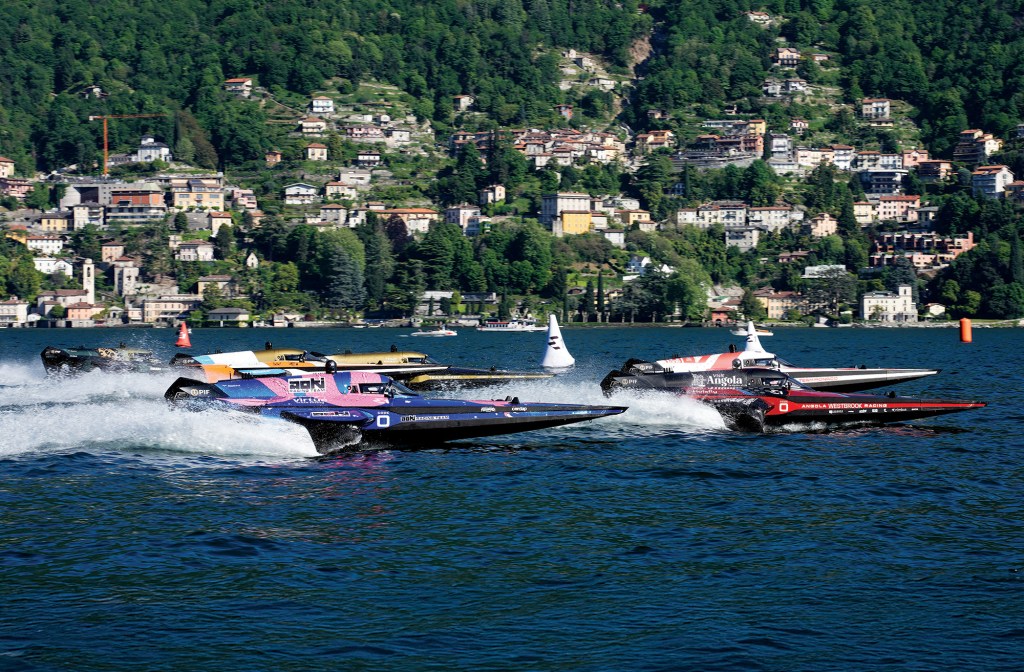
The glacial body of water is considered one of the most sought-after stops on the all-electric powerboat racing series’ calendar, along with Monaco, Miami (held at Miami’s old Chalk’s seaplane base), and the all-new 2026 final in the Bahamas. This year’s E1 Lake Como GP, held in Cernobbio in April, was also the first race that Real Madrid’s goalkeeper Thibaut Courtois and NBA Champion Kyle Kuzma attended in person since being announced as team owners of Sierra Racing Club, and the latest in a long line of stars to join E1’s ranks.
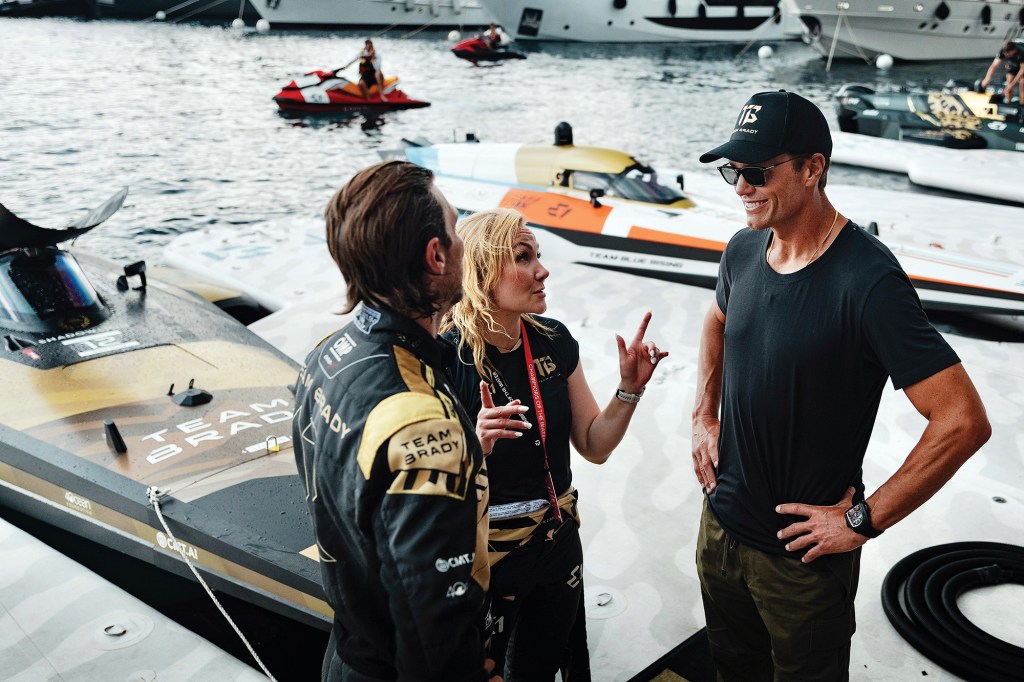
“I love boats, I love the water, and the electrical innovation behind the Series is cool. So, it was an easy decision to join,” Courtois tells me as we sit in the shade of a large chestnut tree overlooking the lake where, in 2024, team owners Rafael Nadal and actor Will Smith raced each other for fun—Nadal clinching the win. While Courtois is hesitant about taking the helm himself—“I don’t know if I’d fit inside,” he muses. “I’m quite tall”—he’s undeniably enthusiastic about investing in E1. “There are a lot of friends who are really happy to see me join,” he says. That includes his former Chelsea teammate Didier Drogba, LeBron James, and Tom Brady, who gave the Belgian soccer player a warm welcome in the team-owner group chat, writing: “The Wall! Thibaut!! Join the party.”
Sierra Racing Club joins nine other teams whose celebrity backers have hitched their personal brand equities to E1’s commercial wagon. For purists, who regard powerboat racing as the ultimate adrenaline rush, such flagrant promotion is not required. John Williams, managing director of the E1 Series, argues that more than just passive investors, the star backers have become engines of growth for the league. “It’s an incredibly smart way to get eyeballs on a series,” he says. And there’s no denying that exposure to LeBron’s 159 million Instagram followers certainly doesn’t hurt.
According to John Marlow, team principal of LeBron’s Team AlUla, who brings over 30 years’ experience in Formula 1 and World Rally Championship racing, employing the help of big-name stars to build a premium, sustainability-driven global championship adds real value to the fledgling sport. “It provides a platform to launch the teams that wouldn’t exist in a more conventional motor sport fashion,” he explains.
That said, there’s a lot more to E1 than famous faces. It all began when Norwegian designer and originator of the E1 RaceBird prototype, Sophi Horne, set out to create a sleek, electric boat that could make leisure boating more accessible for both enthusiasts and the public. When she failed to find any companies that aligned with her vision, she founded SeaBird Technologies and approached Alejandro Agag (best known for Formula E and Extreme E ) who became the company’s first investor. Together with former Ferrari and NASA Engineer Rodi Basso, the duo set out to build an exciting, competitive racing platform to promote sustainable electric watercraft.
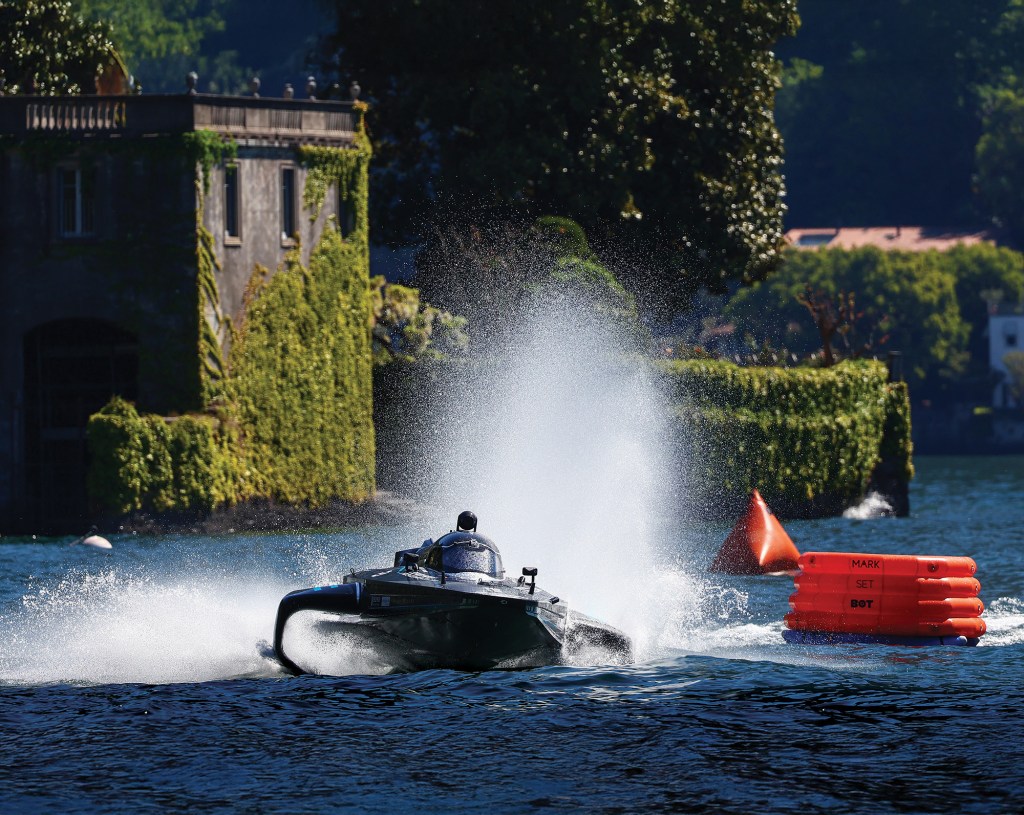
The 25-foot E1 RaceBird, with design input from Victory Marine, takes inspiration from the natural world, most notably birds flying close to the water. The lightweight composite hull features an aerodynamic long nose and a fully enclosed, center-mounted safety cockpit canopy that resembles a single-seater race car or jet.
Performance-wise, the raceboat uses innovative hydrofoil technology, with advanced front wings and a rear fixed foil to lift the hull out of the water at high speeds. This not only challenges the pilots (especially on choppy open water) but significantly reduces drag and energy consumption, thereby extending battery range and generating a smaller wake.
“The foil technology is something completely new to us,” says Canadian F1H2O powerboat racer and Team AlUla pilot, Rusty Wyatt, whose late father Randy was a respected champion powerboat racer. “My dad started all this, putting me in performance boats on our local lake from the age of 15, and now to have electric power and see the E1 championship growth, I’m super glad to be a part of it.”
Weighing just 2,535 pounds, the single-pilot RaceBird is powered by a 37-kW battery (engineered with advanced immersion cooling to manage extreme thermal loads) with a peak power output of 150 kW produced by Kreisel and a custom-built fully electric outboard supplied by Mercury Racing. At high speed, the boats emit what Marlow describes as a “futuristic whistle.”
“There was a long period of research and design that went into the boat from the time the championship was established in 2020 with Sophi’s RaceBird concept to our first season of racing in 2024,” says Williams. “The powertrain has been very reliable from the start, so we spent most of the time tweaking elements to manage the resilience of the boat.”
Because E1 is a complete stock championship—meaning all the boats carry the exact same design, albeit with different liveries—those software tweaks and updates are helping to build a competitive edge in terms of speed and efficiency. New for 2026 is a variable boost power button on the steering wheel to shake up what have so far been tightly run races by giving pilots an extra 20-second burst of speed when they need it most.
“We’ve been looking at how we can manage that boost function to let them have a bit more autonomy over how they use it in a race,” says Williams. “But if you look at qualifying times in the first season it was seconds across the grid. Now we’re talking tenths of a second in a qualifying session. The whole field is tightening up.”
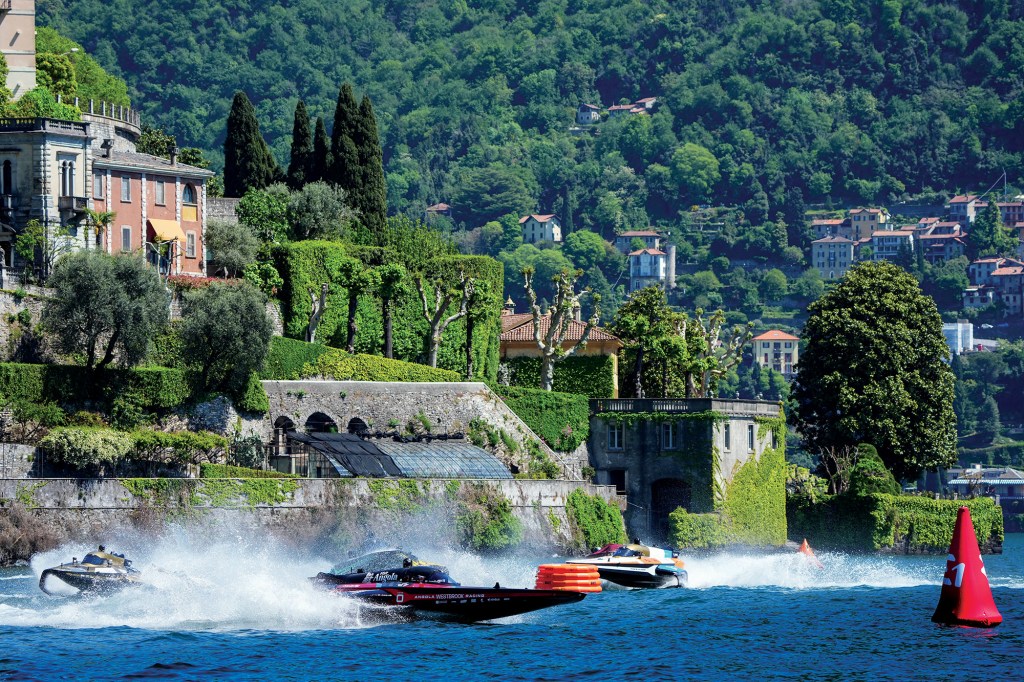
Each team has two pilots—one male, one female—who tackle tight and technical circuits that require lots of twists and turns while reaching speeds close to 50 knots. Each 10-minute race totals six laps, and teams must complete one long and one short lap in a bid to introduce a tactical element to the race. “When it comes to strategy, the team uses a certain system and AI to come up with exactly what to do, especially on the short and long lap,” says Mishael Alobaidon, pilot for Team Blue Rising. “But my co-pilot JP is just a monster, he’s really good at it.”
According to Wyatt, Team AlUla’s strategy shifts with the environment. “We’re trying all kinds of different things. Every circuit is different, the water’s different—Lake Como is fresh water, the previous race in Jeddah was salt water—so there are many strategies. As my Dad always said, we’ve just got to stay calm and trust the process.”
While working in a competitive environment is, Marlow believes, already an engaging aspect, a large part of his enjoyment derives from the almost immediate feedback loop the teams have, with time in between races to work on improvements. “We’re pushing the boundaries of marine motor sport, innovation, and sustainability, and I really enjoy that we get multiple cracks at the same problem,” he says. “In some ways, we’re solving the same problems that we were facing in Formula One, particularly from a technical perspective, for example, the software we use is the same. But then you have this entirely new component, which is the water, a surface like no other, so I think that’s where the dark arts of hydrofoils come into play and that’s where the learning curve has been really steep for us.”
It’s a viewpoint that Team Aoki pilot, Sara Misir, who prior to E1 was a race-car driver competing as part of the Formula Woman Team for McLaren Customer Racing in the British GT Cup Championship, shares. “Lake Como this year was only my second time on freshwater. You’d think water is all the same, but the saltier the water, the more buoyancy you have, which makes it better when you’re on foil. Lake Como is one of the most difficult circuits, in my opinion.”
In terms of spectator appeal, E1 offers exciting racing at spectacular venues around the world, including environments that typically don’t see any kind of motor sport. From this September, that includes Angola’s Luanda, E1’s newest host city. With its rich marine history and resources, Luanda is one of Africa’s most important maritime gateways and joins as E1’s second race location on the African continent, and the first in Southern Africa.
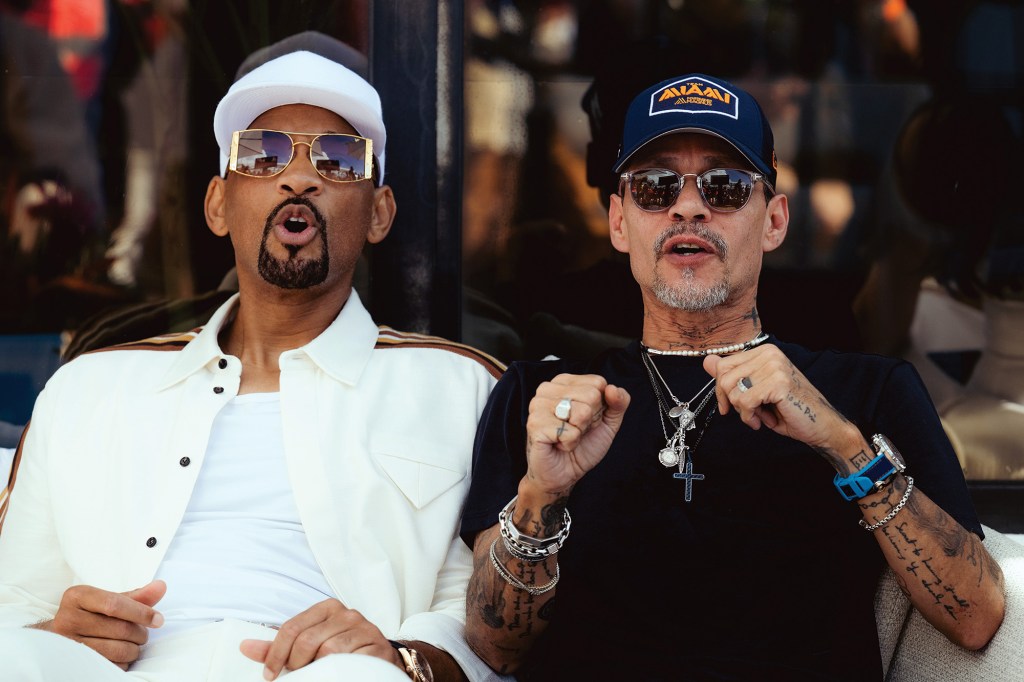
Westbrook Racing Owner Will Smith was in Luanda in March to announce the news, stating: “E1 in Angola is more than a moment; it’s a movement.” Smith was again in high spirits at Como when his Westbrook Racing pilots Sara Price and Lucas Ordóñez recorded their second-ever win, repeating their 2024 victory on the lake.
The Series’ off-the-water public viewing areas, such as Como’s Piazza Risorgimento, welcome fans of all ages throughout the race weekend with every opportunity to see the RaceBirds in the paddock, as well as the on-water launch zone. Unlike Formula One, the chance for all visitors to rub shoulders with pilots is there for the taking, especially at E1’s Ocean Club, which gives ticket holders unrivaled views of the racing action. In fact, it was on the Ocean Club terrace while sipping on a lemon gin where I found myself just feet from John Peeters, team principal and pilot for Team Blue Rising, as he whispered support and advice to Alobaidon during her races.
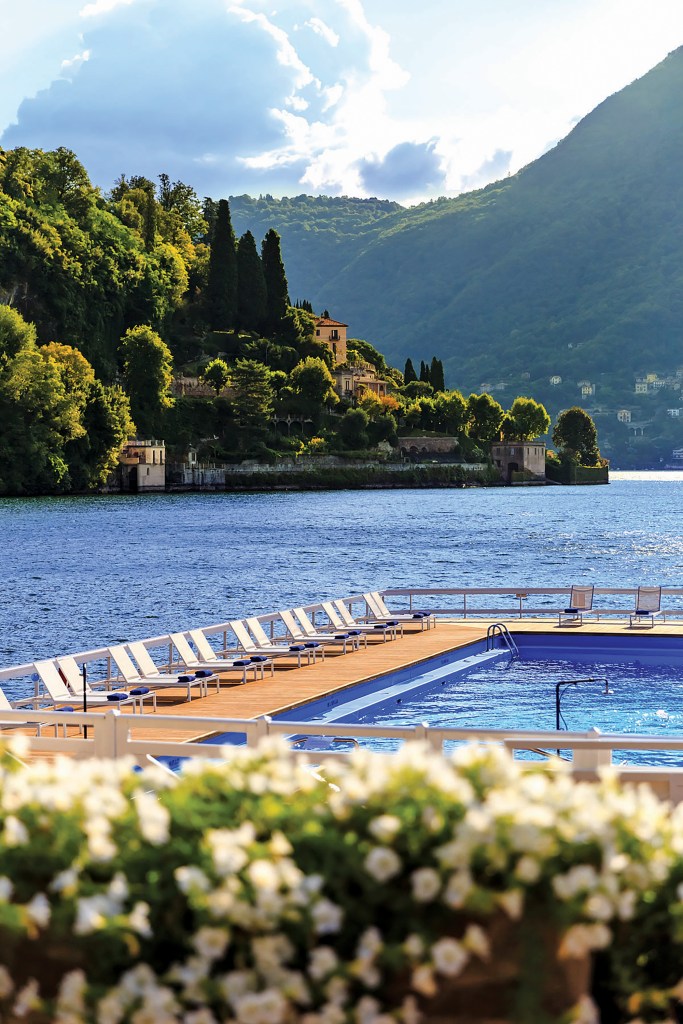
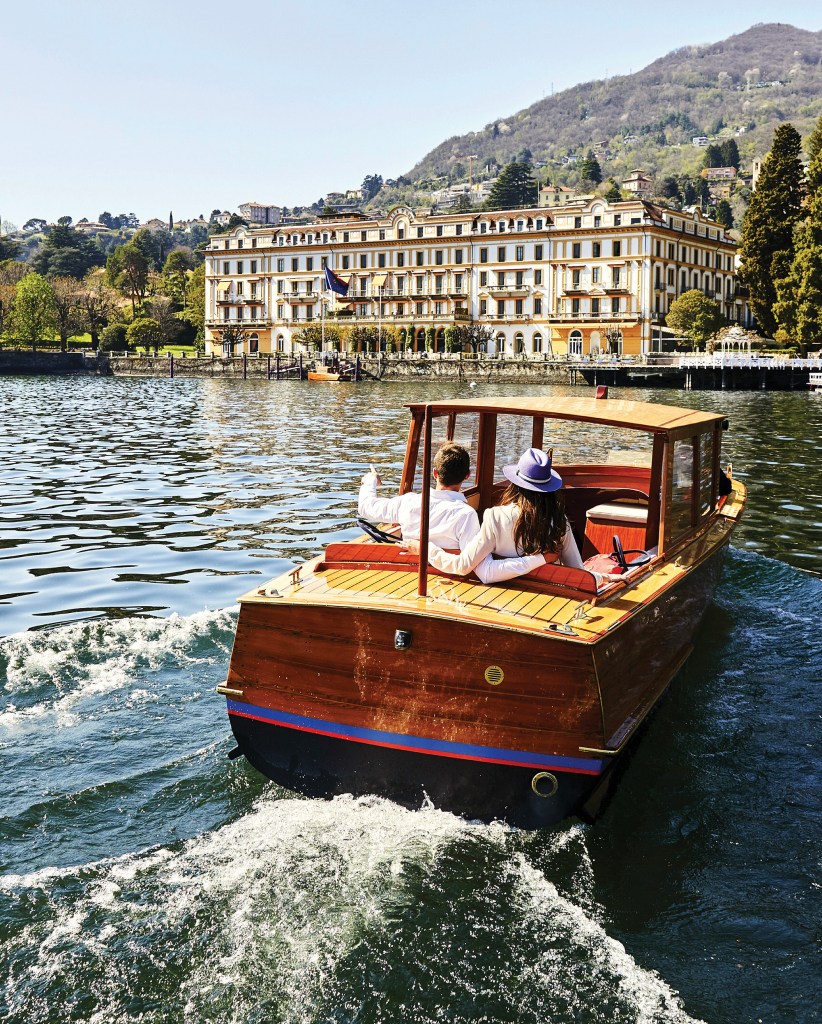
True speed demons will appreciate the Hot Lap, which sees guests take to the racecourse with E1 reserve pilots at the wheel. My own preferred viewing spot was lounging aboard an all-electric Cantiere Ernesto Riva within shouting distance of the race circuit, courtesy of E1’s presenting partner, Villa d’Este. The hotel’s Bar Canova—named in honor of the great neoclassical sculptor Antonio Canova—has been the Como address for an evening cocktail since 1873.
Fun aside, what E1 is proving, alongside technical innovation, pioneering design, and nail-biting racing, is that team ownership has evolved into a tempting business proposition with returns on investment and personal-brand legacy building for the taking. Now in its third season, E1 is working towards a $590 million valuation by 2030, which, says Williams, largely rests on attracting global championship sponsorship. And that’s where the power of celebrity will truly come into its own.
This article originally appeared in the August/September 2026 issue of Power & Motoryacht magazine.