
Advertisement

Communication

Hello, Spot

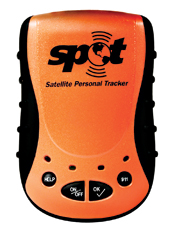
Spot measures about 4 1⁄4″ x 2 3⁄4″.As an innovative satellite messenger, Spot is hot, but in terms of marketing, Spot should be shot. And, thankfully, those are all the easy Spot word plays you’ll hear from me. But be prepared for an onslaught elsewhere. Spot is getting a
MatsyOnBoard SMART9522

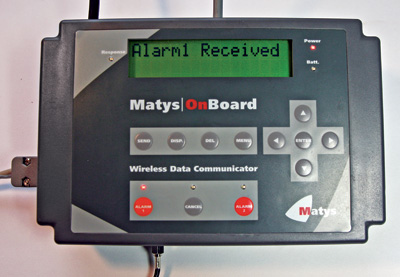
MatsyOnBoard SMART9522 MatysOnBoard is a little like Spot, as it uses a satphone system’s SMS facilities—in this case, Iridium’s—to send one-button-push distress messages as well as other short messages and automated tracking

Simrad GB40

Simrad GB40Given the NX series and other new gear noted above, plus the big-yacht Glass Bridge GB60 system introduced last year, the networked, blackbox GB40 neatly fills the remaining hole in Simrad’s lineup. Again, the

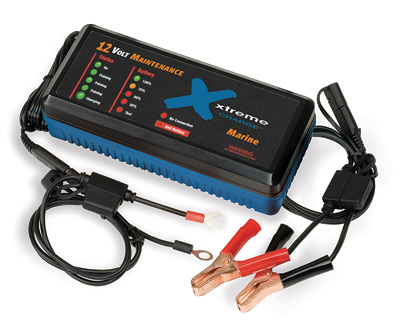
PulseTech Xtreme Charger

PulseTech Xtreme ChargerWhat with the lab and a fleet of small craft, I use and abuse a lot of 12-volt batteries. Wasn’t I tickled with how well the $100 Xtreme “five-stage maintenance” Marine Charger tested and then, when possible, charged and desulphated my scraggly collection, all the while telling me what it was up to with

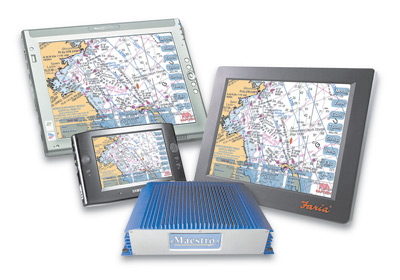
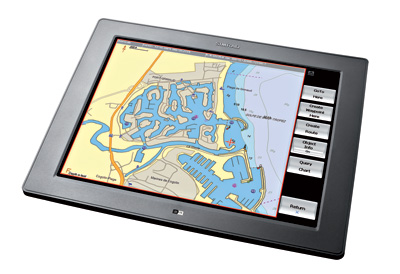
Maptech Touch Screen Navigator

Maptech Touch Screen NavigatorNext month I’ll profile the exciting new Raymarine G-Series and Furuno NavNet 3D systems, both of which are actually powerful PCs, though dedicated almost entirely to navigation. Maptech pioneered this concept, along with the touch-screen nav interface, way back in 2001, first with the Sea Ray

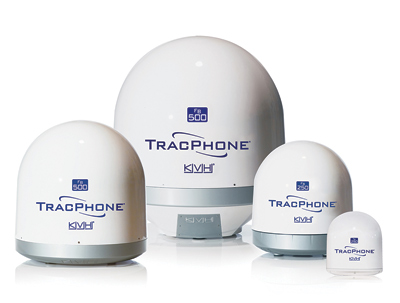
KVH FleetBroadband

KVH FleetBroadbandThe good news is that the advent of Inmarsat’s FleetBroadband in November means that a yacht cruising almost anywhere from the U.S. West Coast eastward to Australia can get a decent Internet connection (“up to” 284 kbps) and make clear phone calls with a stabilized antenna dome just a foot high—even at the

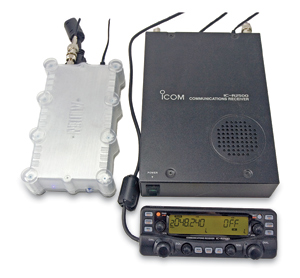
Black Box Wideband Receivers

The seven-inch Alden AE-3300 alongside the Icom R2500 with its second, non-PC control head.Wideband is not broadband. If you boat far from civilization, you’ll still find even a moderately fast Internet connection elusive (see KVH FleetBroadband

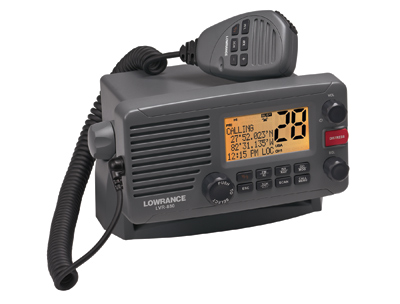
Lowrance LVR-880 VHF/FM Radio

Lowrance LVR-880 VHF/FM RadioIn a world with so many VHF choices, two features on the Lowrance LVR-880 are especially noteworthy. One, it can receive stereo FM stations, even cut in with DSC calls, purportedly a first for a fixed VHF. Two, it uses NMEA 2000 to input GPS information and output DSC call data. This is especially

NMEA 2000 Marries Ethernet

As if we weren’t confused enough! Maretron and Furuno have both introduced important new products that marry the NMEA 2000 marine-data protocol with the speed and universality of Ethernet, but most of us will need to expand our

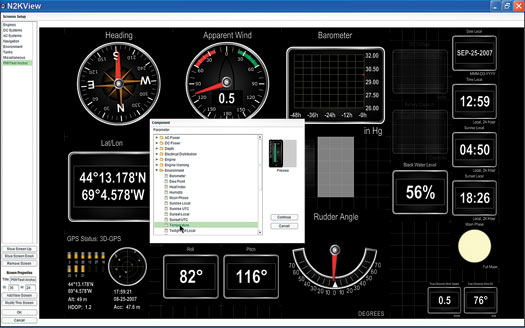
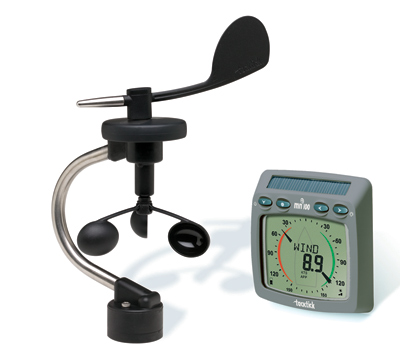
Tacktick Wireless Instruments

Tacktick Wireless Instruments Micronet Power Boat Wind TransmitterThe direction and speed of the wind are not only important pieces of information when maneuvering in close quarters, they’re also a tip-off to weather changes. Tacktick makes it easy to get precise wind information—and most any other numerical

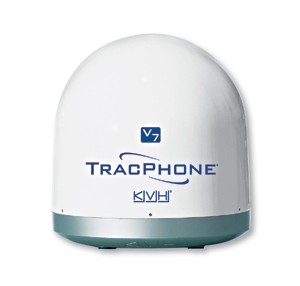
KVH TracPhone V7

KVH TracPhone V7Always-on offshore high-speed Internet just became possible on yachts well under mega size. KVH’s new TracPhone V7 system claims solid broadband speeds previously only possible with a VSAT antenna measuring one meter (about three feet) or more, though its 26-inch-wide dome is an astounding 85 percent smaller in

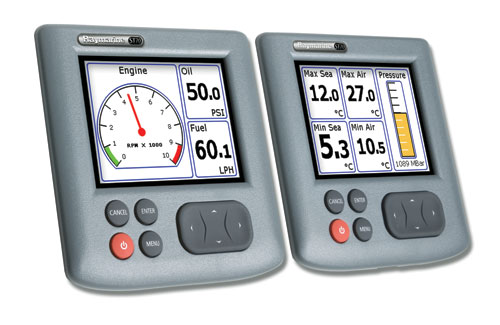
Raymarine ST70

Raymarine ST70I believe strongly that bright, well-designed color screens can communicate information much better than the grayscale ones that we are generally used to seeing on the smaller devices around our helms. So if Raymarine’s about-to-be-released ST70 instrument heads look anywhere near as crisp in real boat conditions as

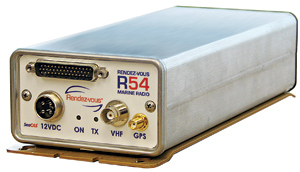
Rendez-vous Tender Tracking

Rendez-vous uses 100-watt digital radios to create a private network amongst a yacht and her tenders. The technology, proven in the railway industry, has a 20-mile range from the mothership and farther if another tender is in between. Basic tracking information is cleverly sent in AIS data format so that any AIS-enabled plotter/computer that’s also wired to any

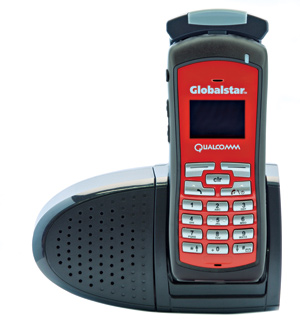
GlobalStar 1700

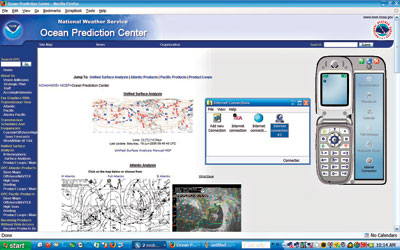
The GlobalStar 1700 satellite phone ($999) is more than 40 percent smaller than previous models, plus it has a bright color screen and is purportedly a snap to use with a laptop, even a Mac, via a USB cable. That latter feature means that taking advantage of Globalstar’s 9.6-Kbps data rate—slow, but four times faster than chief competitor

Connected Cruising Page 2

Picture a spring evening that’s so clear and calm you’ve jumped out from Charleston, South Carolina, planning to chug through the night to Beaufort, North Carolina, and thus skip a sometimes shallow and/or tedious section of the Intracoastal Waterway plus enjoy some offshore solitude. But, darn it, you’ve got 21st-century habits and would like to spend some of that time on the Web, checking your

spot-satellite-messenger-main.jpg promo image

Hello, Spot

Spot measures about 4 1⁄4″ x 2 3⁄4″.As an innovative satellite messenger, Spot is hot, but in terms of marketing, Spot should be shot. And, thankfully, those are all the easy Spot word plays you’ll hear from me. But be prepared for an onslaught elsewhere. Spot is getting a
matsyonboard-smart9522-main.jpg promo image

MatsyOnBoard SMART9522

MatsyOnBoard SMART9522 MatysOnBoard is a little like Spot, as it uses a satphone system’s SMS facilities—in this case, Iridium’s—to send one-button-push distress messages as well as other short messages and automated tracking

simrad-gb40-main.jpg promo image

Simrad GB40

Simrad GB40Given the NX series and other new gear noted above, plus the big-yacht Glass Bridge GB60 system introduced last year, the networked, blackbox GB40 neatly fills the remaining hole in Simrad’s lineup. Again, the

pulsetech-xtreme-charger-main.jpg promo image

PulseTech Xtreme Charger

PulseTech Xtreme ChargerWhat with the lab and a fleet of small craft, I use and abuse a lot of 12-volt batteries. Wasn’t I tickled with how well the $100 Xtreme “five-stage maintenance” Marine Charger tested and then, when possible, charged and desulphated my scraggly collection, all the while telling me what it was up to with

maptech-touch-screen-navigator-main.jpg promo image

Maptech Touch Screen Navigator

Maptech Touch Screen NavigatorNext month I’ll profile the exciting new Raymarine G-Series and Furuno NavNet 3D systems, both of which are actually powerful PCs, though dedicated almost entirely to navigation. Maptech pioneered this concept, along with the touch-screen nav interface, way back in 2001, first with the Sea Ray

kvh-fleetbroadband-main.jpg promo image

KVH FleetBroadband

KVH FleetBroadbandThe good news is that the advent of Inmarsat’s FleetBroadband in November means that a yacht cruising almost anywhere from the U.S. West Coast eastward to Australia can get a decent Internet connection (“up to” 284 kbps) and make clear phone calls with a stabilized antenna dome just a foot high—even at the

black-box-wideband-receiver-main.jpg promo image

Black Box Wideband Receivers

The seven-inch Alden AE-3300 alongside the Icom R2500 with its second, non-PC control head.Wideband is not broadband. If you boat far from civilization, you’ll still find even a moderately fast Internet connection elusive (see KVH FleetBroadband

lowrance-vhf-fm-radio-main.jpg promo image

Lowrance LVR-880 VHF/FM Radio

Lowrance LVR-880 VHF/FM RadioIn a world with so many VHF choices, two features on the Lowrance LVR-880 are especially noteworthy. One, it can receive stereo FM stations, even cut in with DSC calls, purportedly a first for a fixed VHF. Two, it uses NMEA 2000 to input GPS information and output DSC call data. This is especially

nmea-2000-marries-ethernet-main.jpg promo image

NMEA 2000 Marries Ethernet

As if we weren’t confused enough! Maretron and Furuno have both introduced important new products that marry the NMEA 2000 marine-data protocol with the speed and universality of Ethernet, but most of us will need to expand our

tacktick-wireless-instruments-main.jpg promo image

Tacktick Wireless Instruments

Tacktick Wireless Instruments Micronet Power Boat Wind TransmitterThe direction and speed of the wind are not only important pieces of information when maneuvering in close quarters, they’re also a tip-off to weather changes. Tacktick makes it easy to get precise wind information—and most any other numerical

kvh-tracphone-v7-main.jpg promo image

KVH TracPhone V7

KVH TracPhone V7Always-on offshore high-speed Internet just became possible on yachts well under mega size. KVH’s new TracPhone V7 system claims solid broadband speeds previously only possible with a VSAT antenna measuring one meter (about three feet) or more, though its 26-inch-wide dome is an astounding 85 percent smaller in

raymarine-st70-main.jpg promo image

Raymarine ST70

Raymarine ST70I believe strongly that bright, well-designed color screens can communicate information much better than the grayscale ones that we are generally used to seeing on the smaller devices around our helms. So if Raymarine’s about-to-be-released ST70 instrument heads look anywhere near as crisp in real boat conditions as

rendez-vous-tender-tracking-main.jpg promo image

Rendez-vous Tender Tracking

Rendez-vous uses 100-watt digital radios to create a private network amongst a yacht and her tenders. The technology, proven in the railway industry, has a 20-mile range from the mothership and farther if another tender is in between. Basic tracking information is cleverly sent in AIS data format so that any AIS-enabled plotter/computer that’s also wired to any

globalstar-1700-main.jpg promo image

GlobalStar 1700

The GlobalStar 1700 satellite phone ($999) is more than 40 percent smaller than previous models, plus it has a bright color screen and is purportedly a snap to use with a laptop, even a Mac, via a USB cable. That latter feature means that taking advantage of Globalstar’s 9.6-Kbps data rate—slow, but four times faster than chief competitor

connected-cruising-main.jpg promo image

Connected Cruising Page 2

Picture a spring evening that’s so clear and calm you’ve jumped out from Charleston, South Carolina, planning to chug through the night to Beaufort, North Carolina, and thus skip a sometimes shallow and/or tedious section of the Intracoastal Waterway plus enjoy some offshore solitude. But, darn it, you’ve got 21st-century habits and would like to spend some of that time on the Web, checking your

Advertisement
Advertisement
PMY_WHITE_logo