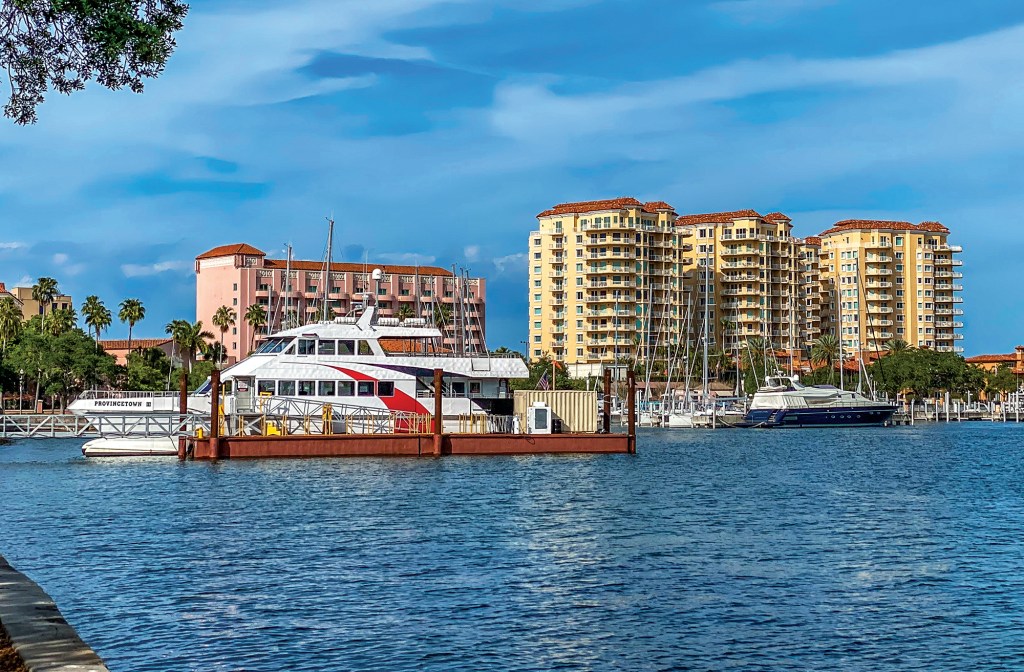
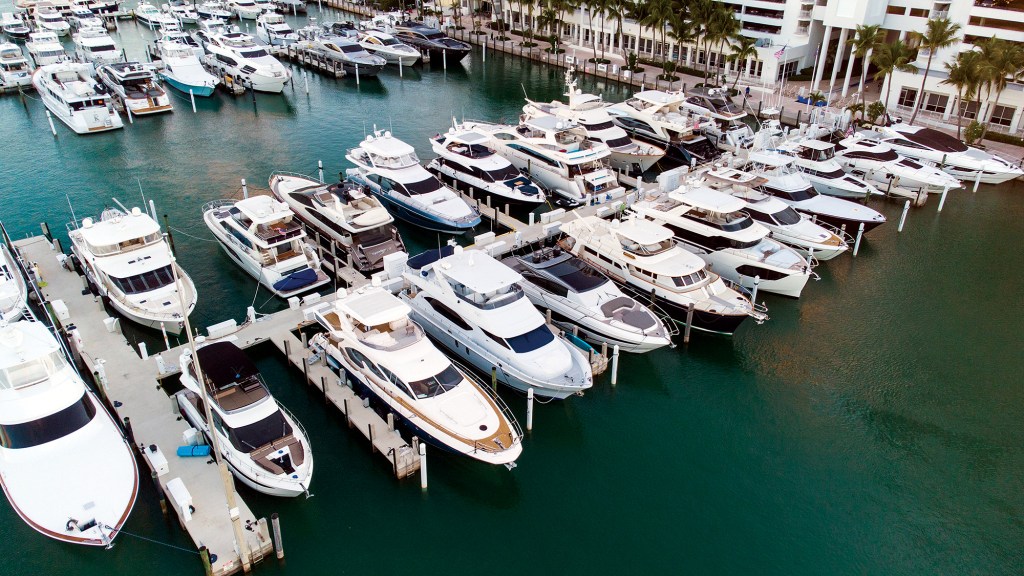
Walk down any marina dock on a windless weekday afternoon and the scene is almost theatrical in its stillness. Lines creak faintly against cleats. Sunlight glints from polished stainless and the curved flanks of center consoles, cabin cruisers, and sportfishermen worth more than most houses. Canvas covers snap lightly in the breeze. And everywhere, the same quiet truth: The boats are waiting.
For Michael Farb, that idle fleet represents one of the boating world’s most curious paradoxes—and, perhaps, its biggest opportunity.
“The average boat owner uses their boat like seven or eight days a year,” Farb says. “You walk by a beautiful marina, you see a lot of amazing boats kind of sitting there not being used. And then on the other side, you have hundreds of millions of people in the U.S. alone that want to be on boats, but don’t have access to a boat.” The mismatch is glaring once you see it. Millions of vessels tied to docks, millions more people dreaming of time on the water. Between them lies a gulf—not of geography, but of access.
The idea behind Boatsetter and GetMyBoat was to bridge it. Now, with the two companies merged under the GetMyBoat banner, Farb believes the industry may be approaching something bigger: a rethinking of what boat ownership means, who gets to participate, and whether the economics of owning a boat might finally change.
For decades, boating has lived with an uncomfortable cliché: the old joke that the two happiest days of a boat owner’s life are the day he buys the boat and the day he sells it. That, to any boater with a soul, is pure hokum, of course. Still, the humor lands because the underlying math has never been especially forgiving. Boats cost real money to buy, maintain, insure, store, and fuel. For many owners, the ledger runs relentlessly in one direction.
Farb believes the modern sharing economy offers a way to rewrite that equation. “Typically, boats are not known as the best assets to invest in,” he says with a wry laugh. “To say the least.” Another, perhaps even more tired cliché recited around boatyards and marinas with abandon: The best type of boat is an “other person’s boat,” a phrase colloquially acronymized as an “OPB.”
But platforms like GetMyBoat aim to flip the script. “You can now own a boat, use it as much as you like, and then also rent it out when you’re not utilizing it and make money off that boat,” Farb says. “Then you can think about upgrading your boat or adding a little mini fleet—kind of like what we saw with Airbnb and Turo.” (Turo being the automotive rental industry’s answer to the sharing economy—and a billion-dollar company in its own right.)
The comparison isn’t accidental. Just as home-sharing platforms turned spare bedrooms and second homes into income-generating assets, boat-sharing platforms attempt to unlock unused capacity in the world’s marinas. The difference is that boats introduce complexities Airbnb never had to worry about: licensing requirements, seamanship, insurance, and the simple fact that water is an unforgiving environment.
Solving those problems became the necessity (and foundation) of the entire business. In the early days of peer-to-peer boat rental, one question overshadowed everything else: Who pays if something goes wrong? For owners considering listing their boats, the concern was obvious. The thought of a stranger taking the helm—perhaps inexperienced, perhaps careless—was enough to stop many before they started.
Farb says the solution required building a new kind of insurance product. “We built the first insurance product that was a peer-to-peer usage-based policy that covers the owner, the renter, and the captain,” he explains. “If anything happens on the boat while you’re out there, there’s a great insurance product and policy that covers it well beyond what people would normally have.” In other words, the same concept that underpins ride-sharing or home-sharing had to be adapted to a far more complex environment.
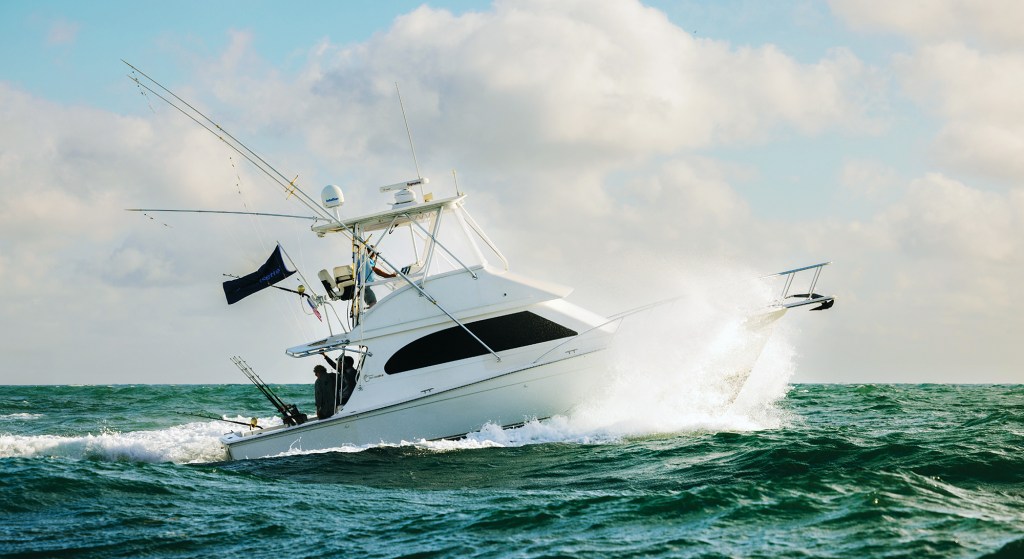
“It was kind of table stakes,” Farb says. “Not easy to execute on—but table stakes to get this industry to work.” Insurance alone, however, wouldn’t solve the larger problem of trust. Boats, unlike apartments, require someone who knows how to run them. Spend enough time around docks and you learn quickly that not all boaters are created equal. Some have thousands of hours behind the wheel. Others struggle with lines.
For a global marketplace of boat rentals, that spectrum of skill presents obvious risks. GetMyBoat’s answer has been to lean heavily into captains. “We’ve built what’s basically the world’s largest network of Coast Guard-certified captains,” Farb says. “If you’re a renter and you don’t want to operate the boat, you can easily match any boat with a captain and have someone take you out.”
In fact, the model has shifted so strongly toward professional operators that most trips now include one. “About 70 percent of our trips are captain-based,” Farb says. “It’s actually a smaller percentage of situations where people are taking the boats out themselves these days.”
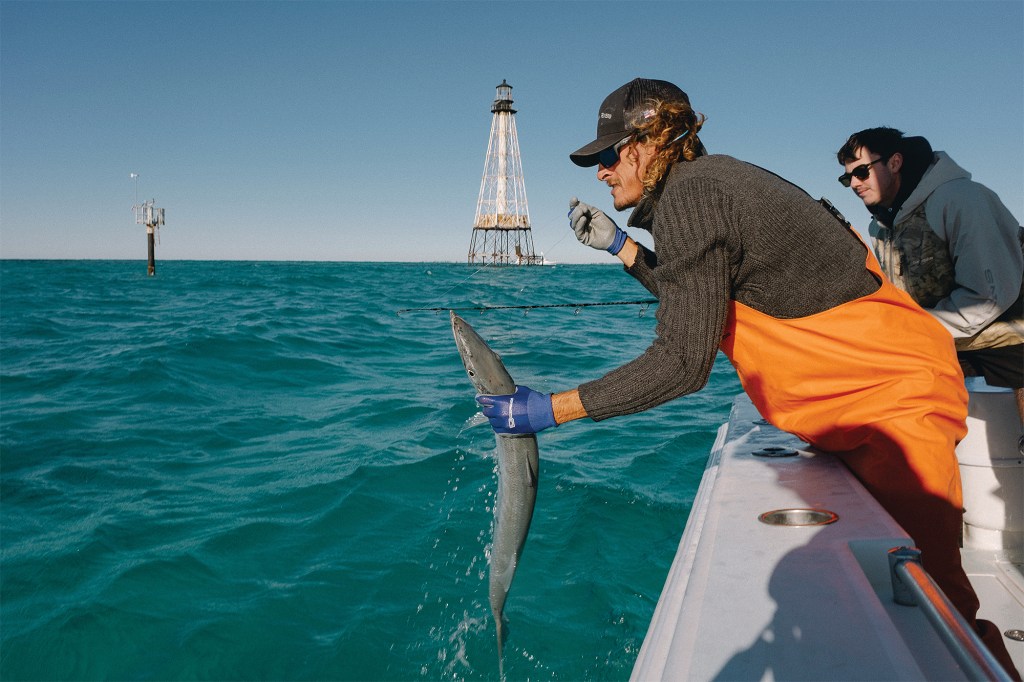
For boat owners, that statistic offers reassurance. A professional captain on board dramatically reduces the risk of inexperienced renters mishandling the vessel. But the shift also reveals something else: The platform is not just about rentals—it’s about access. “We want to make this so easy and accessible,” Farb says, “that anyone who just wants to be on the water can come out.”
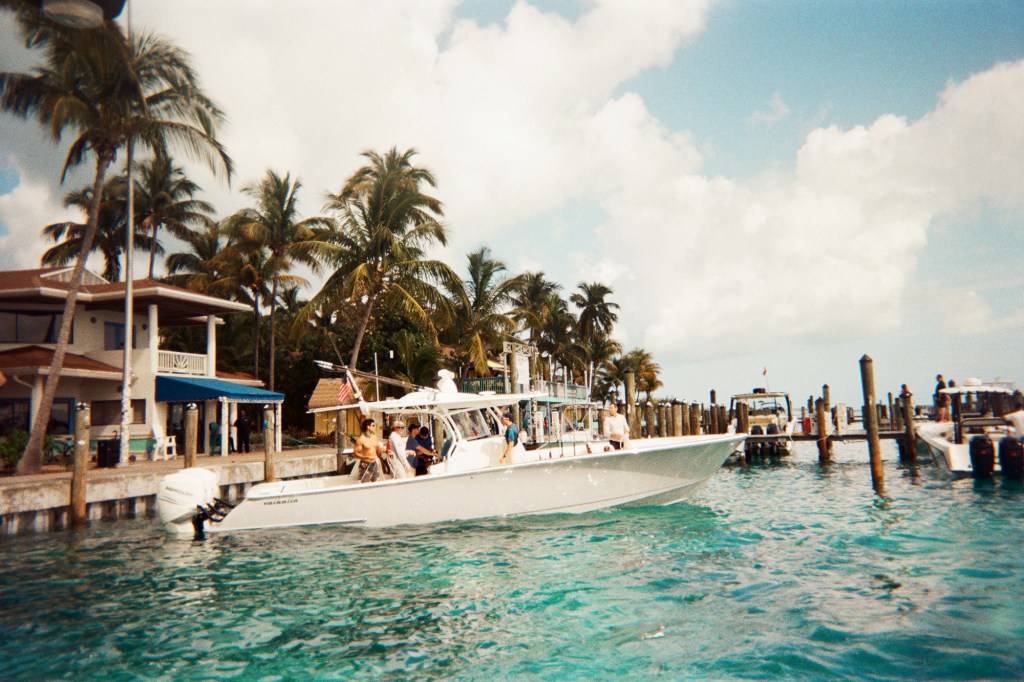
Ask Farb what types of boats dominate the platform and the answer lands squarely (and predictably) in the sweet spot of modern recreational boating. “Right now, the bread and butter is probably 25- to 40-foot powerboats,” he says. “Day charters—places like South Florida or Cabo.”
The formula is familiar to anyone who’s spent time in charter-heavy harbors: a center console or express cruiser, a licensed captain, a group of friends splitting the cost of a day on the water. But the platform is widening beyond that core. Catamarans have become strong performers in certain markets. Watersports boats thrive on inland lakes during the summer months. Fishing charters—long a staple of coastal tourism—are becoming a major growth category.
“We just launched fishing charters recently,” Farb says. “It’s a huge market and historically underserved in terms of people being able to easily find and book the right trip.”
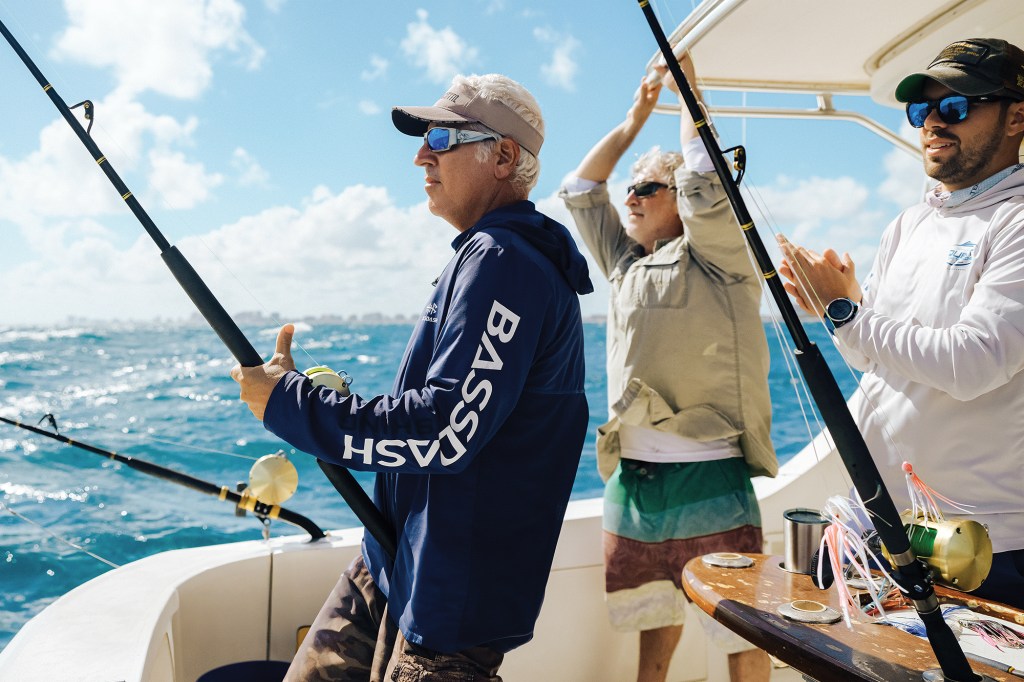
The real appeal of the model lies in its flexibility. Instead of committing to one boat and one style of boating, users can sample everything from offshore fishing to wake-surfing to multi-day cruising. “You either needed to own six different boats,” Farb says, “or those experiences just weren’t accessible.” This reporter once heard a boat broker at the Portland, Maine, boat show put that number at between seven and nine boats. Scoff all you like—and as I once did—but factor in a few hobbies and those figures might look conservative.
When GetMyBoat launched, its ambitions were relatively straightforward: connect boat owners with renters. Over the past decade, the platform has expanded into something much larger. “We’re in around 50 countries now,” Farb says. “About 25,000 bookable boats and on-the-water experiences.” The majority of business remains in North America, especially around traditional boating hubs.
South Florida is an obvious epicenter. Miami and Fort Lauderdale serve as both tourist magnets and boating capitals, making them natural markets for day charters and fishing trips. But some of the most surprising growth has appeared far from saltwater.
“Chicago is actually one of our top markets,” Farb says. “And you’re really only on the water three months of the year there.” Austin, Texas—home to Lake Travis and Lake Austin—has become another hotspot, fueled by a booming watersports culture.
Internationally, the Caribbean and Mexico are expanding quickly, particularly for multi-day charters. “Those areas tap into everything from fishing to sailing charters to just day cruises,” Farb says. “There’s so much you can do.”
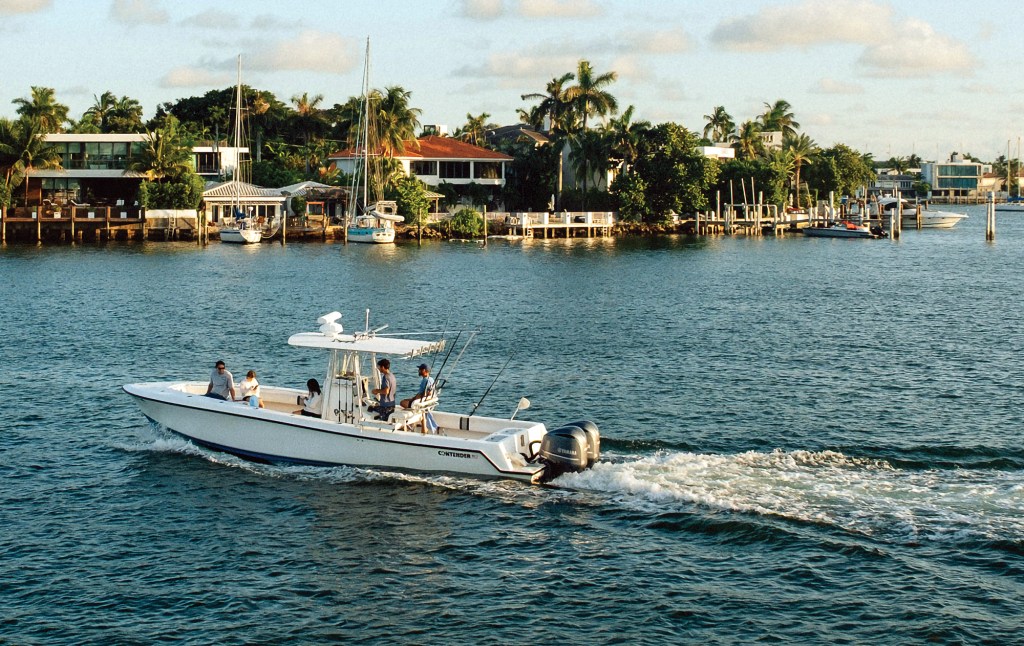
For all the talk of renters and captains, the most intriguing development may be happening among boat owners themselves. Many start small. A single boat listed on the platform. A handful of rentals each month to offset dockage or maintenance costs. Then something unexpected happens.
“The average owner earns about $20,000 a year,” Farb says. “But we have multiple owners now that are doing over a million dollars annually in revenue on the platform.” What begins as a hobby can quickly evolve into a business. “What’s most interesting is the entrepreneurial stories,” Farb says. “Someone starts with one boat, realizes they’re making money renting it out, and then they scale—adding a second boat, a third, a fourth.” Just as with Airbnb and Turo’s most successful entrepreneurs.
One South Florida operator, Farb told me, now runs a fleet of 40 to 50 vessels through the platform, generating millions in revenue. Another example is a Miami-based entrepreneur named Angel Rodriguez, who started with a single boat and built a business reportedly generating roughly $3 million. The idea is seductive: Transform a depreciating luxury item into a revenue-generating fleet.
Farb sees these operators as essential partners. “One of our main growth levers is empowering the best operators to earn more,” he says. “They provide the best experiences for consumers and they really love getting more people out on the water.”
There’s another dimension to the model that extends beyond economics: Boating, historically, has been expensive and somewhat exclusive. Entry costs—boats, slips, maintenance—can place the lifestyle out of reach for many. Peer-to-peer access changes that dynamic.
“Boat ownership tends to be an aging demographic,” Farb says. “But our users are much younger.” The math works like this: Instead of buying a boat outright, eight friends split the cost of a day charter. Suddenly the barrier to entry drops dramatically. “Eight friends can each chip in a hundred bucks and take a great boat out for the day,” Farb says. “It’s affordable and communal.”
More importantly, it creates a gateway. “Once you have your first amazing experience on the water, you’re hooked,” he says. That hook matters not just for GetMyBoat, but for the broader marine industry. More people on the water eventually means more people buying boats, joining boat clubs and participating in boating culture.
Farb sees the platform as expanding the overall market. “We’re making the whole pool bigger,” he says. For all the technology behind modern rental platforms—algorithms, rating systems, insurance policies—boating remains stubbornly human.
Ask Farb about the secret ingredient and he doesn’t hesitate: “Captains. Nothing’s better than a great local captain who knows the area,” he says. “They know the hidden coves, the secret spots, the places you want to explore.” Those captains often shape the experiences themselves. Some offer fishing trips to offshore reefs. Others guide snorkeling excursions in hidden bays. Still others organize surfing expeditions or multi-day cruising itineraries.
GetMyBoat has even experimented with curated adventure packages—everything from shipwreck diving trips to national park excursions accessible only by water.
Of course, any system built around shared assets inevitably raises questions about damage, abuse, or misuse. Farb acknowledges the concern but says real-world problems are rarer than skeptics expect. The platform includes rating systems for renters and owners, much like ride-sharing services. “We have a lot of history and data now,” he says. “Owners can screen renters based on past performance.”
And when problems do occur, the process mirrors other sharing platforms: security deposits, insurance claims, and billing for excessive cleaning or damage. Most renters, Farb insists, respect the boats they use.
I pried him for horror stories of errant bags of bait, bloody decks, a day’s catch forgotten in a fish box, but Farb maintained that nothing came to mind. “There’s kind of a community around being on the water,” he says. “People generally take care of other people’s stuff.”
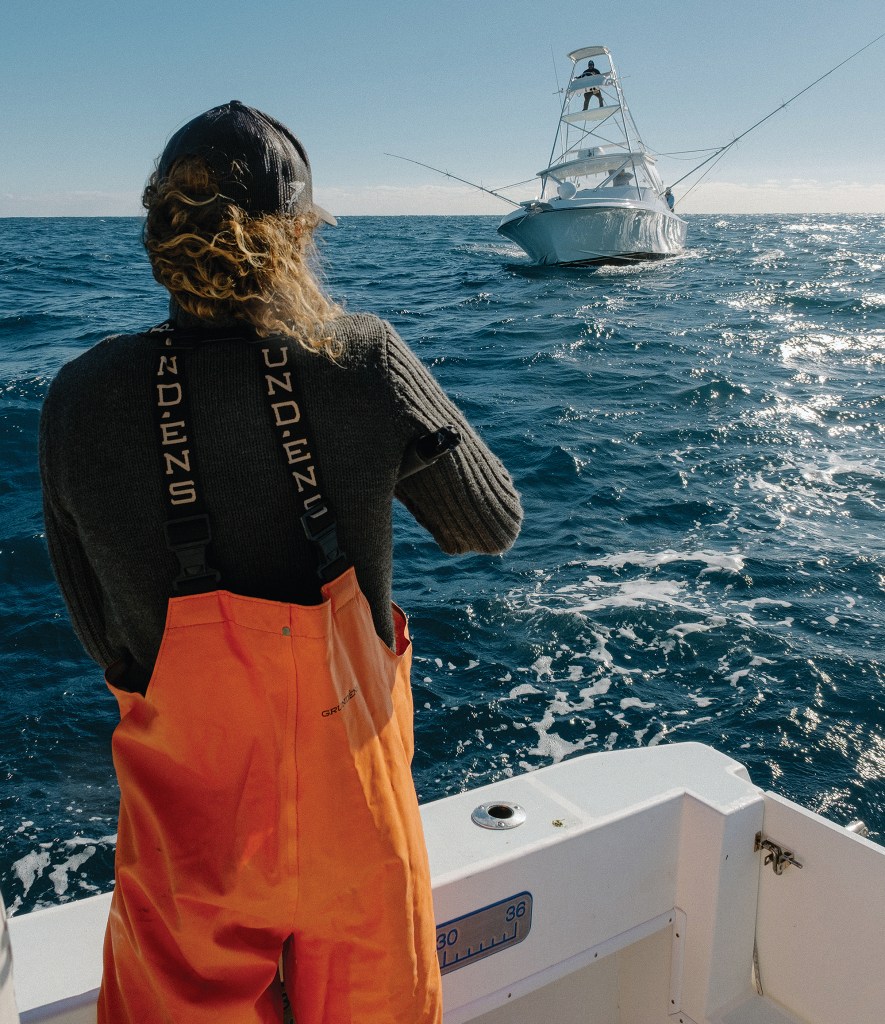
Perhaps the most intriguing frontier lies in data. After a decade of transactions across thousands of boats and dozens of markets, GetMyBoat now holds a trove of information about what types of vessels perform best in specific locations.
That data may soon influence how boats are sold. Farb envisions a future where dealerships incorporate rental projections into their sales process. “We’re building calculators that show, if you own this type of boat in this market, here’s what you could earn,” he says.
Imagine buying a center console and knowing that, in addition to weekend family trips, it could generate enough charter revenue to cover slip fees—or even loan payments. It’s an idea that could reshape how prospective owners evaluate a purchase.
For someone running one of, if not the, world’s largest boat-rental platform, Farb has an unusual confession: He doesn’t own a boat. “I’ve been on boats since I was a kid,” he says. “But I’m actually the best GetMyBoat consumer.” Time, capital, and maintenance obligations have kept him from buying one—at least for now. The irony isn’t lost on him: “Now you don’t necessarily need to own a boat,” he says. “You can take one out anytime you want.”
Still, he admits the temptation is there. “I’ve had my eye on a couple things,” he says with a grin. “Never say never.” If he does take the plunge, the listing decision will be obvious. “Oh yeah,” he says. “Of course I’d put it on the platform.”
The image of idle boats in marinas may not disappear anytime soon. But the idea that they must remain idle—that ownership inevitably means underuse—may be fading. If platforms like GetMyBoat succeed, the marina of the future might look subtly different: more boats in motion, more captains guiding first-time passengers, more young people discovering the joy of life on the water.
For Farb, that vision remains the driving force behind the business. “The audacious goal,” he says, “is turning boat ownership into a profitable asset class.”
It’s a bold statement in an industry where depreciation and maintenance costs have long been accepted as inevitable. Traditionally, the model has offset ownership costs for the superyacht class, not so much the cabin cruiser—or the center console, for that matter.
But if he’s right, the quiet marina dock may one day feel a little less still. Because somewhere out there, someone scrolling through a phone is already booking the boat that used to sit unused—and getting ready to cast off.
And a world with more captains working and fewer hulls sprouting barnacles is a better one, indeed.
This article originally appeared in the June/July 2026 issue of Power & Motoryacht magazine.