It might just be the best kind of cruising—one that doesn’t leave a track on the chartplotter. No logbook records it, no fuel is burned, and yet it can carry you farther than the fastest speedboat. It’s the voyage before the voyage, the one that plays out entirely in your imagination, long before the dock lines are cast off.
I’ve always been equal parts dreamer and planner, a combination that has proven to be either a blessing or a curse depending on the circumstances. The dreaming is effortless; it just arrives, sometimes unannounced, like a following sea. The planning, on the other hand, is its companion—the structure that keeps the dream from drifting too far off course. But when both work together, something wonderful happens. The anticipation becomes so vivid, so tangible, that I begin living the experience in a virtual sense long before it has actually begun.
I’ve come to believe that boaters, especially long-distance cruisers, are uniquely susceptible to this kind of anticipatory living. Maybe it’s because so much of what we do depends on patience and planning: tides, weather-windows, boatyard schedules, package deliveries that too frequently don’t arrive until after the marina’s checkout time. We learn to stretch time, to inhabit the space between idea and action. And in that space, anticipation grows into a world of its own.
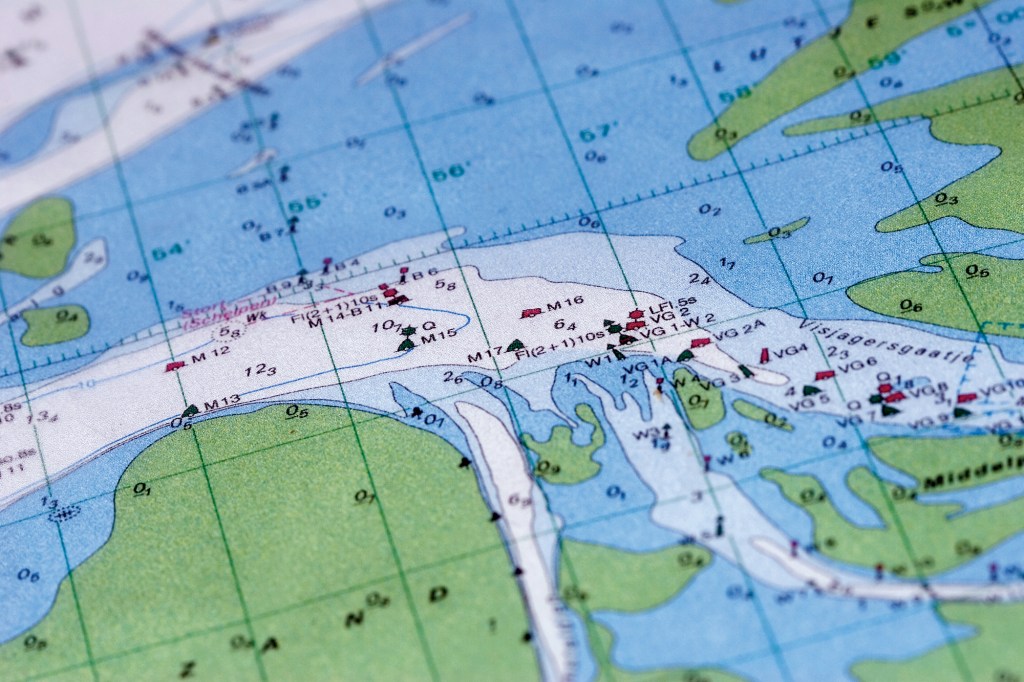
I used to fall asleep at night dreaming of standing at the helm, setting up the turn that would guide us on a route I’d only seen on a chart. I navigated inlets while walking our dog. The details weren’t vague daydreams, but scenes as concrete as anything I’ve lived. If an imagination is strong enough, it doesn’t just preview life, it becomes a part of it.
As I am writing this, Liberdade is in a boatyard in north Florida getting some projects completed, with only a handful of cold fronts between us and spring. But if everything goes according to plan, by the time you’re reading these words, we’ll be pointing her bow south—towards the Bahamas, the Florida Keys, or possibly to the Dry Tortugas, a destination we’ve talked about for years but have yet to reach. And while the journey itself is still four months away, I’m already halfway there in my mind.
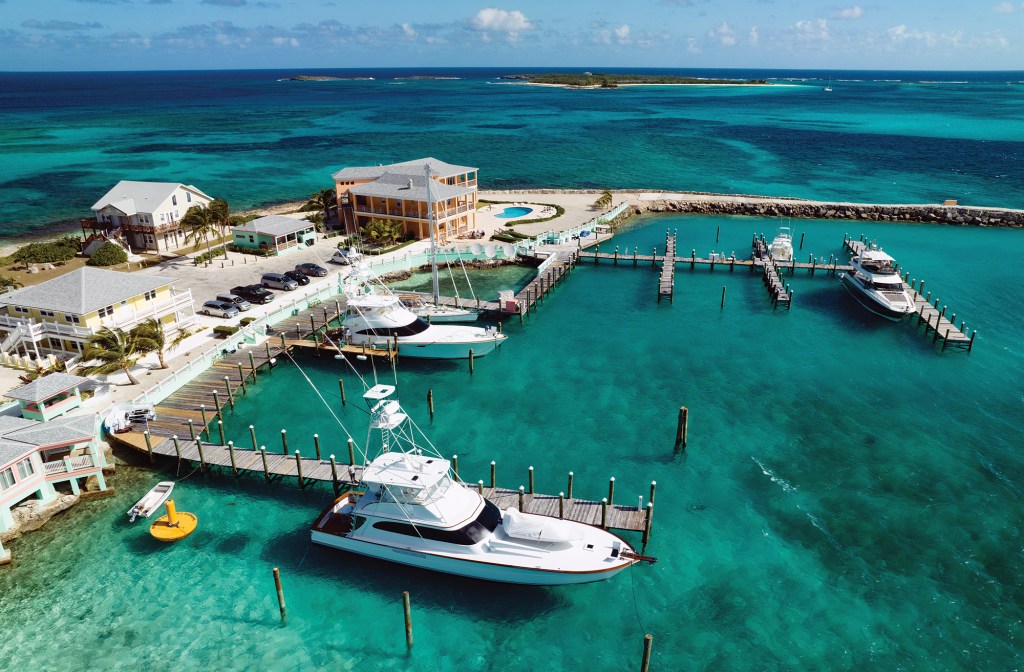
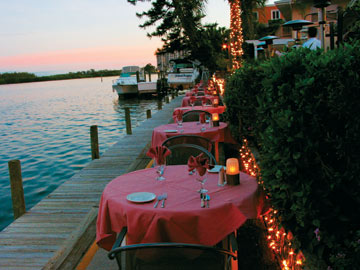
The dreaming has begun its slow takeover of my daily routine. During my morning coffee, I find myself plotting our stops south, picturing the sunsets looking west from the anchorage at Boot Key, or the pink limestone cliffs of Great Exuma coming into view. I catch myself scrolling through weather models not because they matter now, but because I want to feel what they’ll feel like later—trade winds pressing against the windward islands, the pulse of the Gulf Stream or the stillness of a quiet Land and Sea Park anchorage.
This anticipation isn’t a vague hope. It’s active. It has weight.
This dreaming-to-planning cycle takes many forms. Some days it’s leafing through cruising guides, tracing passages with a fingertip the way a child traces a treasure map. Other days it’s hours of listening to friends who’ve been there, absorbing their stories until they become the backdrop of my own imagined route. Their details—the best grocery stop in Black Point, the ideal anchorage when a norther blows through, the exact tint of the water over the sand flats—become part of my mental departure checklist.
And then there are the practical preparations that somehow feel like extensions of the dream: organizing spare parts, updating charts, cleaning lockers, refreshing provisioning lists. These tasks are necessary, but they’re also rituals. They signal to the brain that the imagined voyage is slowly becoming a real one. There’s a deep satisfaction in that, a merging of what you’ve lived in your mind with what you’ll soon live in the flesh.
Of course, the sea always reminds you who’s in charge. No matter how good the planning, the ocean holds the right to edit your script. And then the boat whispers its own needs into the equation—the alternator belt hadn’t broken in my dreams, but here I am replacing it. Yet even in all of this, the anticipatory work pays off. A well-fed imagination builds flexibility, not rigidity. When things change, you’ve got a dozen alternate routes already drafted in the quiet recesses of your mind.
This is why the dreaming doesn’t stop once the trip begins. It simply shifts shape. Planning for our next cruise becomes imagining the next island, or the next season, or the next stretch of water we haven’t yet explored. Cruisers don’t run out of dreams; we just run out of calendar.
Sometimes I think people who don’t cruise see our lifestyle as defined only by the places we go. In truth, it’s just as much defined by the time spent imagining where we might go next. Those imagined miles are not wasted. They are lived miles. They shape us, sustain us, stir our curiosity, and pull us toward something just over the horizon.
This article originally appeared in the April 2026 issue of Power & Motoryacht magazine.