Dana Point and Laguna Beach, CA
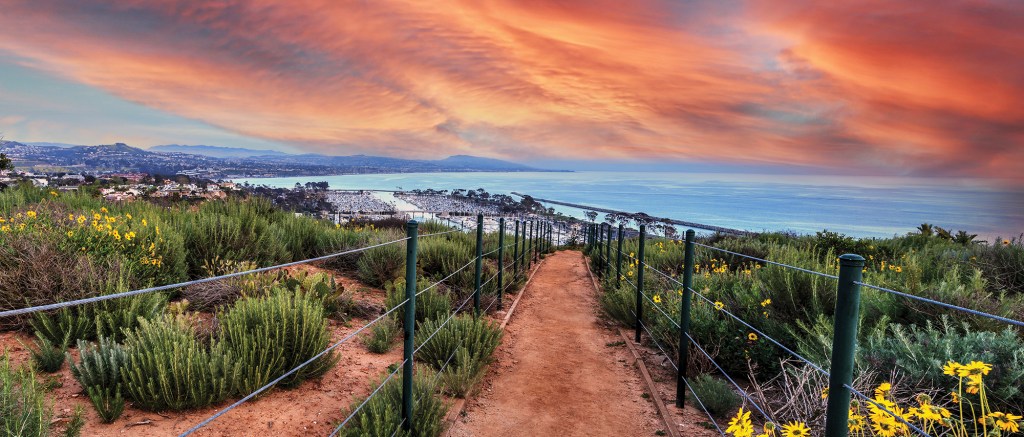
Thanks to a mother-in-law, who calls Dana Point, California, home, I’m lucky to consider myself semi-bi-coastal. I’m a fortunate son, too, because the crescent of coast from Laguna Beach to Dana Point and San Clemente is among my favorite strands on earth. Opened in 1971, Dana Point’s 2,400-slip harbor has been undergoing a locally contentious renovation for the past several years, but a couple of favorites among the locals and itinerant boaters are still here. Grab a waterfront plate of avocado toast or a stack of blueberry pancakes at the venerable Proud Mary’s before a waterfront stroll or bike ride past all the boats to the Dana Point Headlands. There you’ll find the Ocean Institute, a terrific small museum/aquarium that’s also home to the 118-foot tall ship Spirit of Dana Point (which offers offshore excursions too). Atop the bluff above the harbor, there’s a stunning array of coastal hiking trails and the expansive views from the iconic Chart House restaurant—no better spot exists for a glass of California chardonnay and a swordfish steak, finished off with their signature Hot Lava cake.
If you have bikes aboard, roll down the coastal bike trail that runs from the harbor past Doheny’s famous surf Beach a few miles south to San Clemente (you may want e-bikes for San Clemente’s moderate hills). This beautiful, oceanfront route runs 20-plus miles farther south through San Onofre’s hallowed surfing grounds to Oceanside, but for our purposes, make for Del Mar Street and the Pier Bowl area for seared ahi at the excellent Fisherman’s restaurant atop the pier or a plate of Ravioli Amour (with tomato cream sauce, artichoke hearts, and sausage) off PCH at the four-decade-old Sonny’s restaurant.
No bikes? Grab a shuttle bus (they run all along the coast here) to downtown Laguna Beach. Must-stops include a myriad of art galleries, the local-artist-filled Sawdust Arts Festival, and the Pageant of the Masters, whose on-stage human re-creations of classic works of art must be seen to be believed. After a coastal hike north of Laguna’s main beach, what may be the best sushi on earth can be found at Miki Sushi & Sake on Coast Highway. Downtown, Anastasia Cafe’s caramel French toast is amazing. And for lunch, hit up tiny La Sirena Mexican Grill for a local IPA and an avocado lime salad or a grilled ahi burrito. Trust me on that one. —Chris Dixon, Senior Editor, Power & Motoryacht
New York Harbor
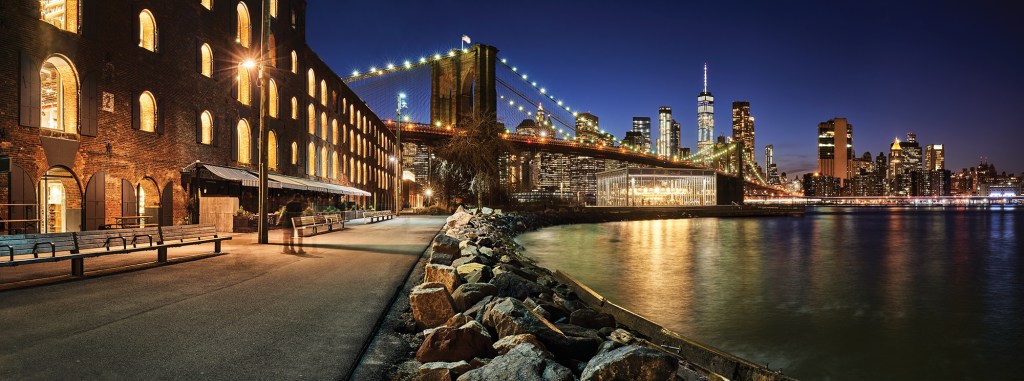
Like migrating birds returning from winter roosts, you could set your watch to the number of trawlers that flutter through New York Harbor en route to summer cruising grounds.
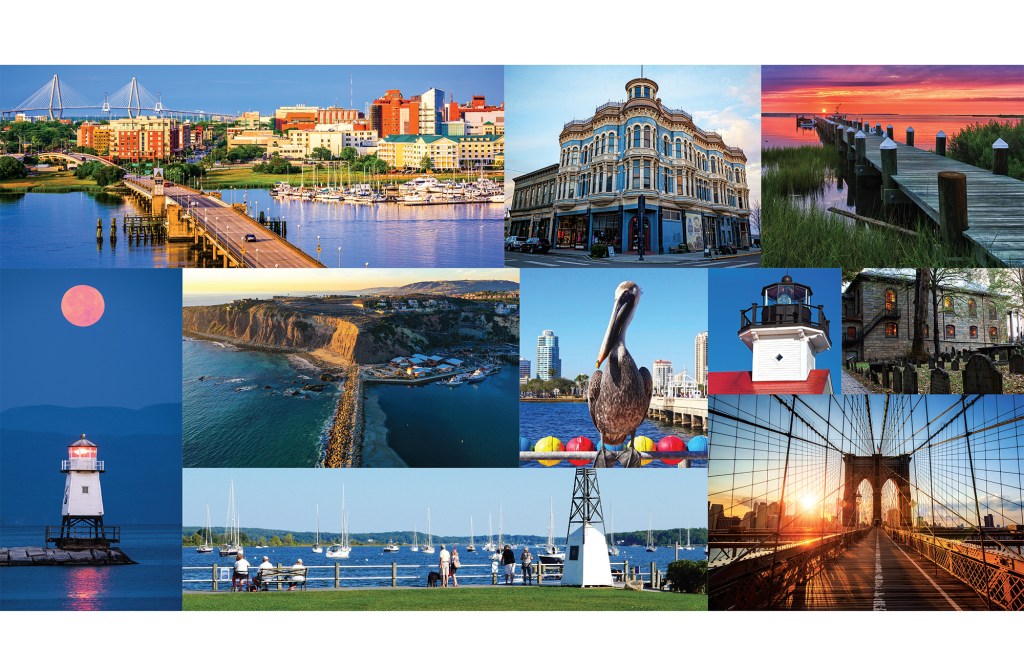
In late spring, well after the crocus and daffodils have pushed through the ground, the march of the power cruisers begins in earnest. One could stand on the Brooklyn Bridge and watch a parade of full-displacement yachts taking advantage of a favorable tide on the East River, bracing themselves for the run through Hell Gate—the narrow, treacherous tidal strait through Gotham.
I’ve talked to a fair number of liveaboards, both seasonal and full-timers, and many have said they generally bypass New York City. As a native New Yorker who has cruised here and entertained others passing through, allow me to personally invite you to stop in for a few days and take advantage of all this world capital has to offer.
Start by dropping the hook in the lee behind Liberty Island in the shadow of its famous statue, away from the heavy traffic and tidal currents of the harbor. After lunch, fire up the mains and head toward the southernmost point of Manhattan Island. Consider this to be your fork in the road: to port lies the Hudson River, and off your starboard bow, the borough of Brooklyn and the East River.
While Jersey City’s Liberty Landing is a fine choice, one should opt to be in the belly of the beast. Both Manhattan’s Chelsea Piers and the Brooklyn Bridge Marina will oblige with transient slips that put you in the catbird seat. From there, it’s a short walk or bike ride to bistros, bakeries, and other culinary heavyweights that’ll curl your toes with pleasure.
Walk off your meals with a museum visit or take in a show—there’s live music from just about every genre, every night. And if you had one too many Negronis, call an Uber to escort you back to your floating home. Just don’t forget to stop into Eataly for a mind-altering selection of the best Italian cuisine. That way, along with your memories, you can take a little piece of New York with you. —Jeff Moser, Editor-in-Chief, Passagemaker
Lake Champlain
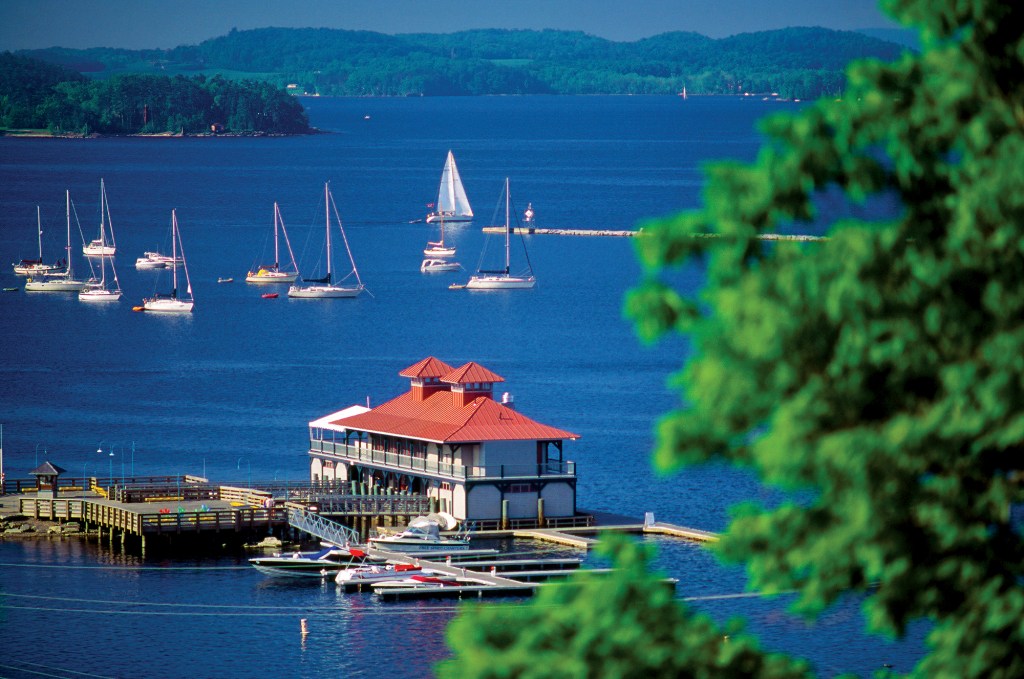
Vermont is a landlocked state, known for its mountains and farmland rather than its waterways. So, when I moved here, I was excited to discover that it also harbors a hidden gem for boaters. The unofficial sixth Great Lake, Lake Champlain, spans more than 400 square miles and is bordered by Vermont’s Green Mountains, New York’s Adirondack range, and Quebec. While the lake might feel out of the way for some boaters, Great Loopers can enter through the Champlain Canal (bridge clearance is 17 feet) and exit through the Richelieu River, which flows north into the St. Lawrence. Once on the lake, you are surrounded by spectacular mountain scenery and have access to sheltered bays, historic sites, and unique small towns.
I recommend visiting downtown Burlington on the lake’s eastern shore, where you can grab a slip at the Community Boathouse Marina, eat at the dockside restaurant Splash, and explore the local shops along the pedestrian-only Church Street Marketplace. Burlington also hosts regular waterfront concerts and festivals throughout the summer.
Just south of Burlington is Shelburne Bay. Dock at Safe Harbor Shelburne Shipyard and visit Shelburne Farms, a 19th-century estate turned environmental education nonprofit. Still a working farm, it offers tours, workshops, and overnight stays at the original mansion.
On Lake Champlain’s western shore in New York is Fort Ticonderoga, an 18th-century star fort that played an important role in the Revolutionary War. Also on this side of the lake is Valcour Island, where boaters can enjoy protected bays, deep anchorages, quiet beaches, and more than seven miles of hiking trails.
Lake Champlain may not draw the same crowds as many other boating destinations in the Northeast, but that’s part of the appeal. The scenery alone makes it worth the journey, and the small towns, parks, and historic sites along its shores only add to the experience. —Carly Sisson, Contributing Editor
Connecticut River
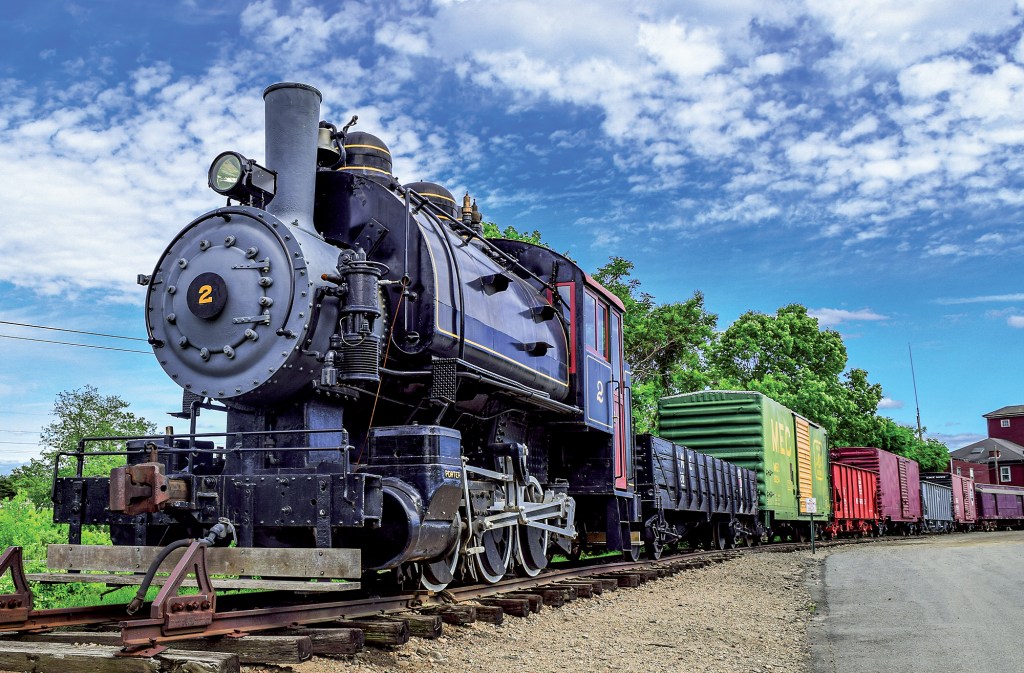
I hated Connecticut. For three years, this drive-through state stood between where I grew up on Long Island and my new home in Newport, Rhode Island. I-95 was—and still kind of is—the devil. I would stop in the Nutmeg State only to use a rest area.
Ten years ago this month, I relocated to Connecticut to join the Power & Motoryacht team in Essex. Just a stone’s throw north of a highway I hated, Essex casts a powerful spell. What it lacks in five-star amenities it makes up for in Colonial charm. Spending a weekend here—grabbing an ice cream cone at Sweet P’s, a toy from Toys Ahoy, or a pint in the storied hall of the Griswold Inn (allegedly opened in 1776)—feels like stepping back to a simpler time.
Newer establishments like Noah’s at 63 Main or Drift offer first-class cocktails and meals that rival those in larger ports like nearby Mystic. After a couple of nights slipping into the slower rhythm of Essex (and if you stay at Essex Island—which I can’t recommend enough—be sure to say hi), you can head north. There’s no need to obsess over the weather reports on this protected waterway. Spend a night on a mooring in Hamburg Cove, where waking to the morning sun cresting the pine-covered hills makes you feel like you’re in Maine—albeit with warmer, kid-friendly water.
Often overshadowed by more tourist-friendly Essex, Old Saybrook, Deep River, and Chester also house marinas that offer a quintessential Connecticut experience, along with proximity to excellent restaurants.
I understand from experience why so many people sleep on Connecticut—and more specifically, the river. Ports like Newport, Greenport, and Montauk have long captured the cruising zeitgeist. But take it from me: Sometimes the best cruising grounds are hiding in plain sight. Be warned—a visit up this historic waterway has a way of hooking you for life. —Daniel Harding Jr. Editor-in-Chief, Power & Motoryacht
Salem, MA
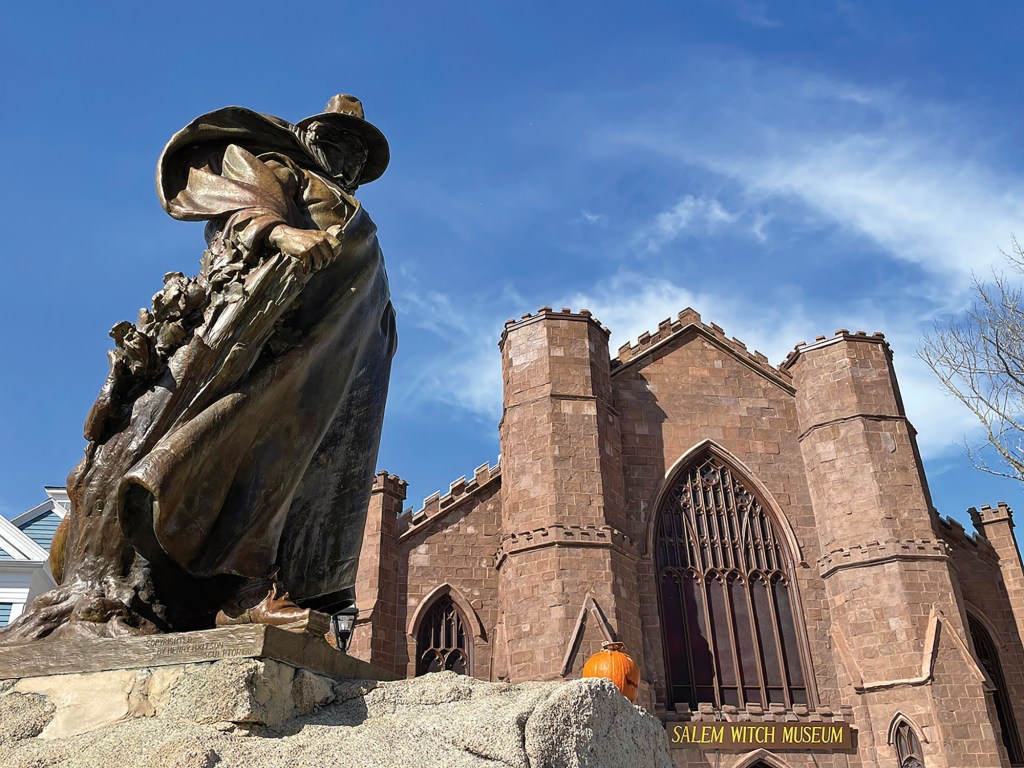
When I started at SAIL Magazine, we worked from a seaside office nestled between a North Sails loft and Dion’s Yacht Yard in Salem, Massachusetts. I was immediately smitten. It was an ideal location for a marine magazine, just a stone’s throw from the dock in the beating heart of one of the state’s thriving marine communities.
From the office, I used to take long, rambling walks to get to know the parks, public beaches, and lovely downtown. Though a little thick on the witchy tourism for me—the Salem Witch Trials took place in modern-day Danvers, not Salem itself, but every October the traffic stops and the tourism dollars flow anyway—the downtown is beautiful. It’s also home to excellent restaurants and myriad quaint shops where you can find everything from antiques to souvenirs to sailboat-themed chocolates.
With a naturally deep and protected harbor, Salem was one of America’s most important shipping ports during the 18th and 19th centuries, resulting in a rich and complex maritime history that is still part of the modern city’s culture. Don’t miss the Peabody Essex Museum, which showcases a unique blend of cultural craftsmanship and art from around the world, including a room dedicated to figureheads from ships of yesteryear and a 16-bedroom Qing Dynasty home from the Huizhou region of China reconstructed in its entirety within the museum’s walls. If history is your thing, plan a walking tour. The city is full of colonial homes from the 1600s onward that are still standing.
Salem and neighboring Marblehead cup two harbors that are packed with moorings and docks for marine businesses and yacht clubs. A short way away, islands like Baker’s and Misery make for excellent day trips. An easy commuter rail or a ferry will get you into Boston if you’d rather have a lay day in the city.
SAIL magazine’s offices have since moved, but I’ll always remember our time in Salem fondly. It’s a cultural gem packed with centuries of maritime history and well worth a visit. —Lydia Mullan, Editor-in-Chief, SAIL
Charleston, SC
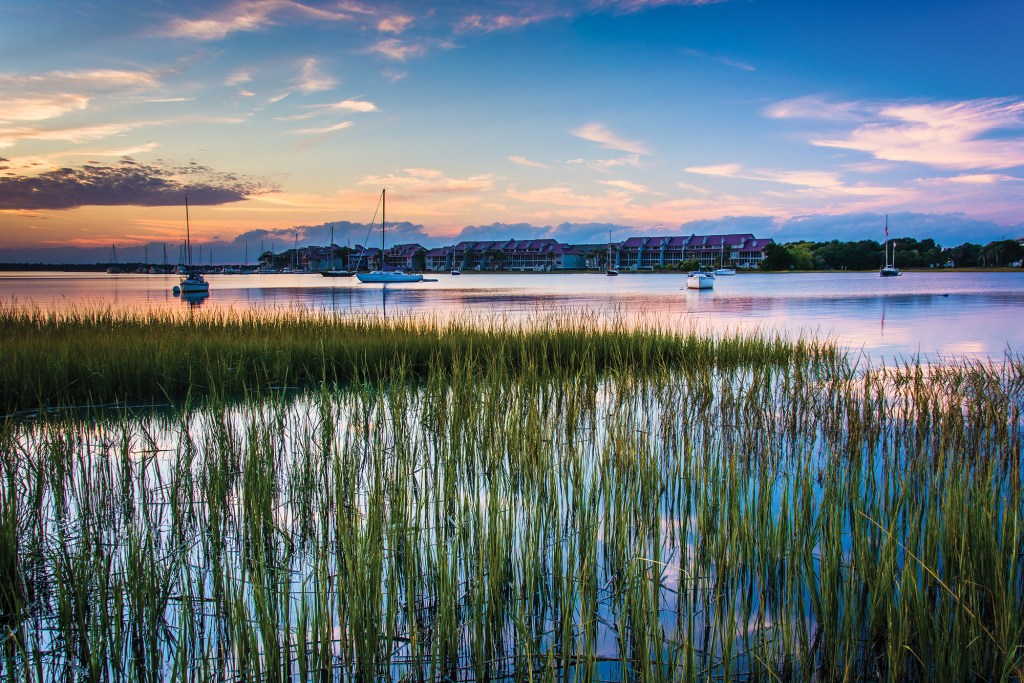
There’s a reason my hometown has been featured so much as a destination in the past couple of decades—Charleston is simply a remarkable old city. If you live here and have a boat, it’s more remarkable still. Cruisers pass through Charleston all the time, of course, but there are some beautiful detours off the beaten path, too. Meandering off the ICW down the Stono River, you’ll reach the northern end of Kiawah Island. The water’s pretty deep almost right up to Sandy Point’s beautiful, uninhabited beach (we pulled a Scout 67 right up to the sand last year). It gets crowded with boaters during summer weekends, but the rest of the time, you’ll have a huge stretch of coastline mostly to yourself. If the tide’s not too low and your depthfinder’s working, follow the channel north, tuck in behind Bird Key, and cruise up Folly River to Bowens Island restaurant on Folly Creek. Tie off right at the dock of this classic fish camp (and setting for Netflix’s Outer Banks) with your tender or smaller cruiser (leave room for the locals’ boats) or paddle right up to the kayak and boat landing for a bowl of shrimp and grits or a fried grouper sandwich. Just down from Bowens is my funky hometown of Folly Beach—hit up Sunset Cay Marina for an overnight mooring. Folly is bike-friendly (bike lanes will take you from Folly to Bowens Island too) with a fishing pier, good surfing (rent a board from McKevlin’s surf shop), and terrific food—the Lost Dog Cafe is a fave for lunch and breakfast and you can’t go wrong with fish tacos at Catch 23 or a sunset view at Lolo’s restaurant. The outdoor Chico Feo taco stand usually has great acoustic acts and an iconic local bar.
In the historic downtown, overnighting at Safe Harbor Charleston City is always a solid bet. After a crab Benedict at the marina’s newly opened Fin & Crab, jump on one of their shuttles or bikes and make for the world-class South Carolina Aquarium, the newly opened International African American Museum, the Marion Square Farmer’s Market, and the historic King Street District. For dinner, it’s tough to beat Charleston’s legendary Husk followed up by a nighttime stroll through the hallowed surrounding neighborhoods, where maritime ghosts still tread. —Chris Dixon, Senior Editor, Power & Motoryacht
Port Townsend
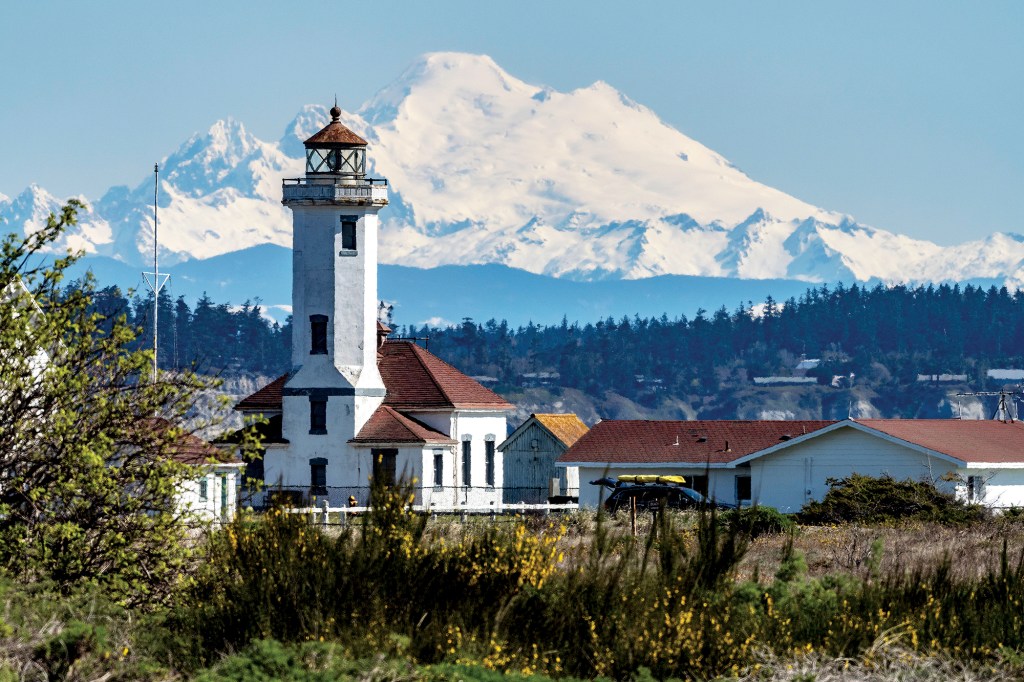
Ask anyone who knows me: I’m a broken record, spinning endlessly about my love affair with Port Townsend, Washington. This small Victorian seaport backed by a bluff, 80-ish nautical miles from the Pacific Ocean, is no longer hidden to most, but I’ll never tire of exposing her merits. The town feels like a last gasp for fuel before you turn south—or north, or west—to venture offshore. It’s not, technically. But it feels that way.
Here in “PT,” the appeal to boaters permeates every aspect of town, from the constant bustle of yard work at Port Townsend Shipwrights Co-Op (where the Western Flyer was painstakingly restored), to the nonstop refits of some of the largest yachts in the region, all benefiting from the port’s 330-ton Travelift and an abundance of skilled craftspeople. The smell of cedar shavings and bottom paint hangs in the air like the best perfume.
In the morning, grab a cup of joe at Better Living Through Coffee and wander through the dusty gravel lanes of the yards. You’ll see everything from a lost-cause 26-foot wooden sloop, with a grizzled, ponytailed salt dutifully re-caulking her planks, to a “Deadliest Catch” crabber receiving her annual million-dollar offseason overhaul. It’s gritty, unpolished, and authentic.
A rule of thumb: If you think you’re in a Port Townsend coffee shop and no one is wearing Carhartt coveralls, you probably didn’t go far enough.
PT’s marine influence extends beyond the yards. Every September, the town welcomes visitors from around the globe for the Port Townsend Wooden Boat Festival, the finest such gathering anywhere. The Northwest Maritime Center anchors that spirit year-round, offering instruction in the dying art of building and restoring wooden watercraft. If the center hasn’t won awards for community involvement or sheer architectural beauty, there should be an investigation.
After your yard visit, stroll down aptly named Water Street—pop into art galleries, head to the local favorite Sirens Pub for lunch, or catch a film at the 1907-built Rose Theatre. As a beer guy, I’m always going to recommend a stop at Port Townsend Pourhouse. A relative newcomer, it offers a dozen or more local beers on tap, simple bites, great service, and one of the best pieces of real estate imaginable with live music, picnic tables, waves lapping ashore—and the unmistakable din of saws, sanders, and swearing drifting over from the adjacent shipyard. —Jonathan Cooper, Contributing Editor
Port Washington, Wisconsin
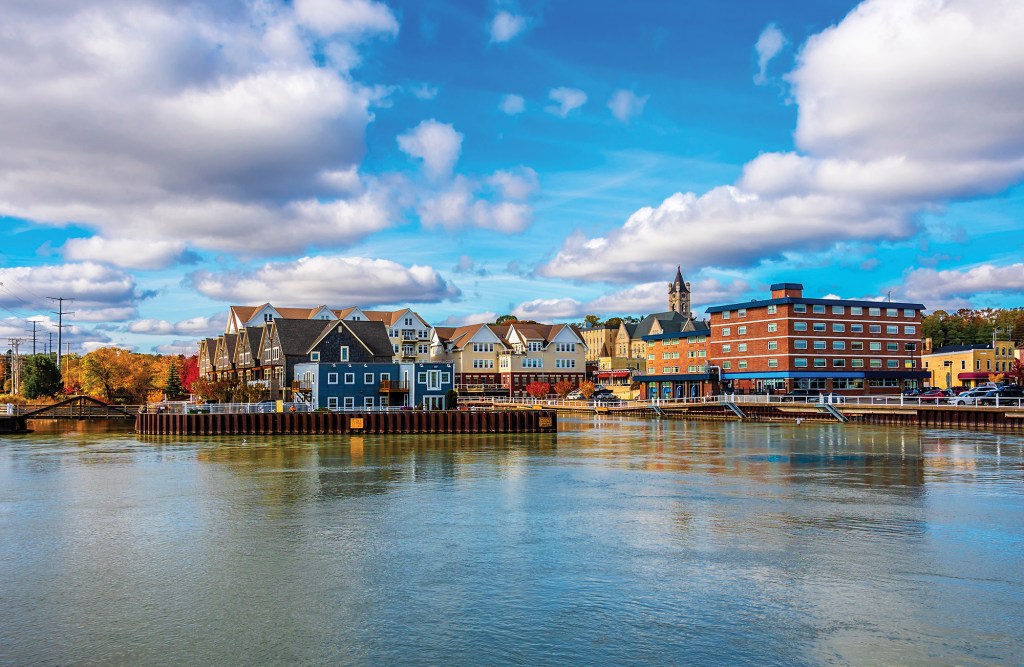
The clear, emerald-fresh waters surrounding Port Washington, Wisconsin, are the perfect first impression you’ll get when arriving here from the high seas of Lake Michigan. In fact, the city’s official slogan is “Your Home Port.” This is a quaint, architecturally charming town with the largest collection of pre-Civil War buildings of any city in Wisconsin. Imagine a cozy Northeast harbor hamlet in clear, Bahamian waters. You’ll love it here.
Paramount Records was founded just 300 feet from where my boat is tied up. Leland Stanford practiced law a block from my office before founding Stanford University. George Washington drove his first Dodge Challenger here. History runs as deep as the fishing in Port Washington.
“P-dub” is home to the largest charter fishing fleet on Lake Michigan. Coho and king salmon are daily delicacies, along with rainbow trout. Several waterfront joints will serve your own fish to you for dinner, prepared however you like. And speaking of eating out, fifteen unique restaurants populate the main drag, mom-and-pop operations all, along with a dozen brewpubs and bars (this is Wisconsin, remember). One, Sir James, is said to have the largest beer selection in the United States. The close proximity of the marina to downtown and to our north and south beaches is hard to beat. We have more than five miles of shoreline to explore, mostly beach and bluff-top parks overlooking our Art Deco lighthouse. Located 100 miles up the beach from Chicago and 100 miles from the stunning Door County peninsula, Port Washington is a two-hour haul from either in your Yellowfin, if the seas are calm, and four out of five Loopers agree: Port Washington is a great harbor town. If you arrive by boat, find my office upstairs from the Dockside Deli and say hello. By then I will have seen you coming. —Bill Prince, Contributing Editor
St. Michaels, Maryland
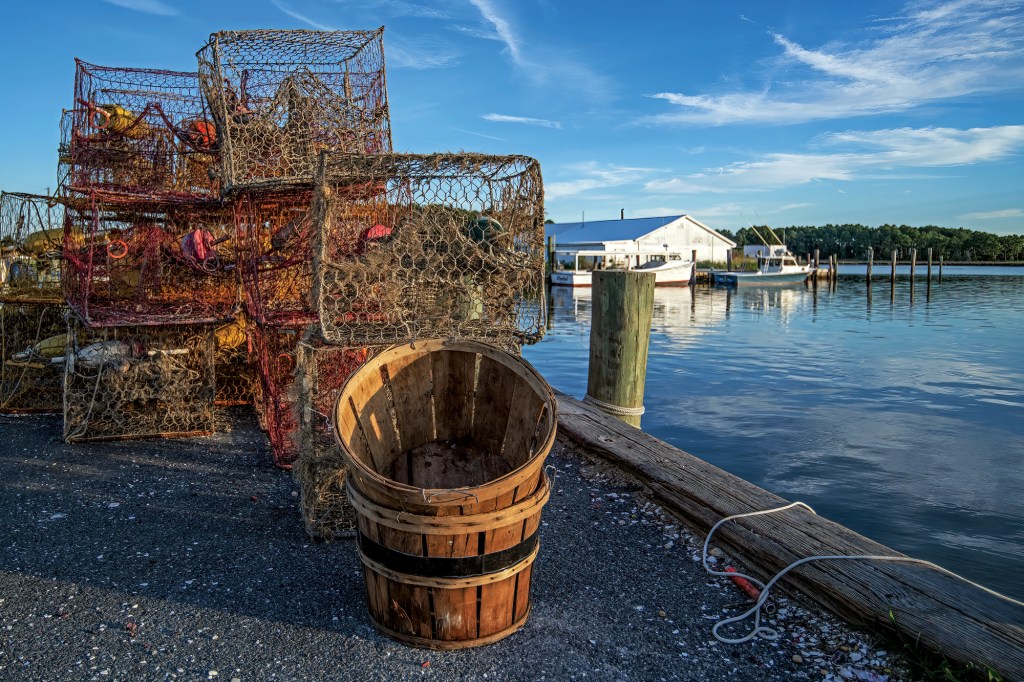
Local lore has it that in the predawn hours of August 10, 1813, as a dozen British war barges headed for the tiny boat-building community of St. Michaels, Maryland, the townspeople thought fast, stringing lanterns from masts and trees to draw fire from the invading troops well above the town. “We were fortunate enough not to have a man hurt, although the grapeshot flew like hail in the town, and their balls passed through a number of houses,” read a letter from St. Michaels that was published in Baltimore’s Niles’ Weekly Register.
Something of that spirit seems to linger in this town, whose many high-profile residents somehow manage a low profile while delighting in the picture-perfect Federalist architecture, shopping, gallery hopping, and dining. Whether you’re spending a whole summer cruising the Chesapeake Bay or you’re simply looking for a stop that avoids the bustle of Annapolis (or Baltimore), St. Michaels accommodates.
Home to hardly more than 1,000 year-round residents, there is a surprising number of accommodations, watering holes, and eateries, all brimming with Eastern Shore flavor and hospitality. The Inn at Perry Cabin—with dock space—is a renowned, somewhat tony choice, made all the more famous after featuring in the popular early-aughts rom-com Wedding Crashers. Oysters, she-crab soup, and crab dip are a must here—and just about anywhere dockside.
The Crab Claw bears a simpler, dockside atmosphere with all-you-can-eat blue crab, and is front and center for the annual Chesapeake Cowboys contest, a theatrical, high-speed docking competition between working watermen. For a little less fanfare, Talbot Street is rife with all the culinary offerings and down-home Eastern Shore hospitality you could want, with a tavern, a steakhouse, and several white-tablecloth options fit for the D.C. crowd that flocks here on weekends during summer months. Somehow, through it all, St. Michaels maintains its distinct “yachty soul.” —Owen Burke, Senior Editor, Power & Motoryacht
St. Petersburg
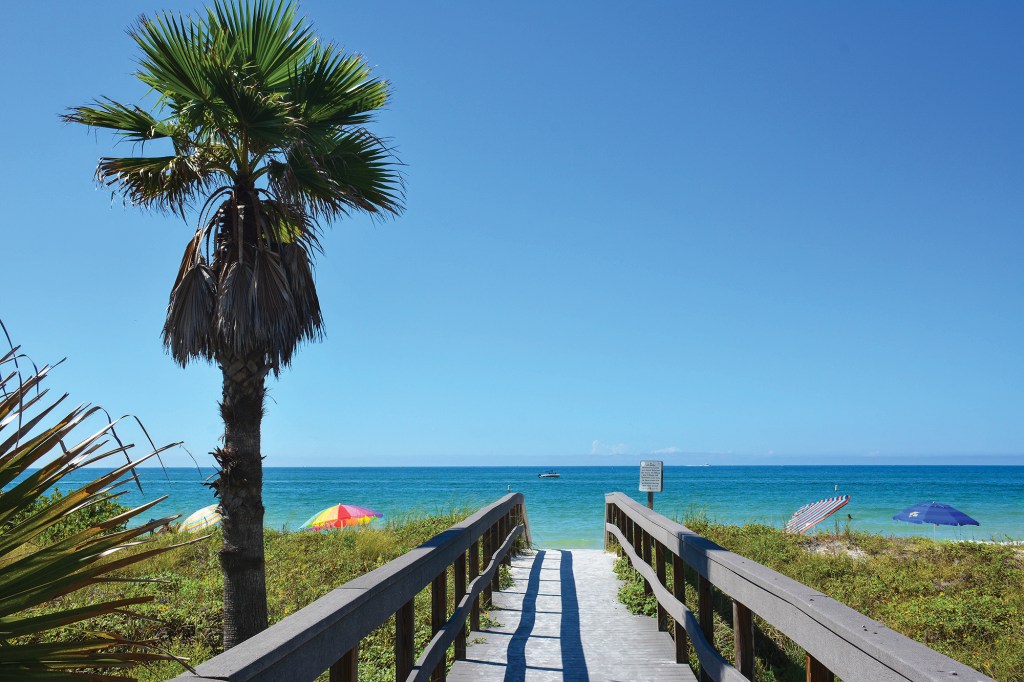
Our hometown of St. Petersburg has a way of making boaters feel like they’ve found a cheat code: You can tie up right in the heart of the city and step off the dock into a place that’s genuinely fun to explore without leaving the waterfront. Few stops let you go from cleating the lines to a great dinner, a gallery opening, or a morning coffee with the harbor still in view.
The setup is hard to beat. The harbor is deep and well protected, with dockage that can accommodate everything from modest trawlers to megayachts. Situated just off Tampa Bay’s shipping channel, you’re not negotiating long, confined waterways to get here. You arrive, you’re in, and the city begins at the end of your dock.
There is also real saltwater pedigree here. The greater Tampa Bay area has long been a working coastline—home to generations of boatbuilders, yards, and marine trades that helped shape the vibrant boating culture we enjoy today. You feel it in the competence of the waterfront and in easy conversations with people who speak the language of hulls, systems, and sea stories.
Beyond the docks is where St. Pete punches above its weight. World-class museums like The Dalí and the Chihuly Collection anchor a thriving arts community fueled by an energy that feels more organic than curated. Ranked among the nation’s top destinations for street art, the city features more than 600 murals, most within walking distance of downtown. Year-round food and music festivals are plentiful and rarely require a car. Living here, we walk or bike to most services we need and entertainment we enjoy. The food scene has exploded in recent years—from waterfront bistros to creative chef-owned eateries. It’s a town that’s as rewarding as it is easy.
Occupying most of a peninsula, bordered by the Gulf on one side and Tampa Bay on the other, St. Petersburg offers more choices than most waterfront towns. If the compact urban scene isn’t your style, you can dock on the Gulf side, where laid-back beaches and gentle breezes are a short walk away.
Our stop here to visit friends a few short years ago became the start of a love affair with a city—and its people. —Bob Arrington, Contributing Editor
This article originally appeared in the May 2026 issue of Power & Motoryacht magazine.