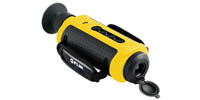
FLIR First Mate HM 224 PRO
The “HM” stands for “Handheld Marine”, you can take it on your tender for those moonless treks back to the boat.


The “HM” stands for “Handheld Marine”, you can take it on your tender for those moonless treks back to the boat.

Designed to be attached to a PFD and activated by its wearer…
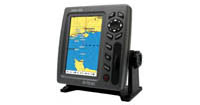
The new SI-TEX Marine Electronics SAS-300 recreational AIS transceiver can track nearby shipping on a 6.5-inch screen to ensure a high degree of situational awareness for anyone at the helm.

Garmin has introduced a line of thermal and low-light cameras. Simple control and cool target tracking mean it may be time for an upgrade that will help you use your boat more and more safely.
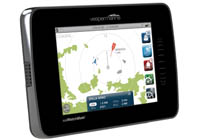
WatchMate Vision is the first dedicated Class B AIS transponder with touchscreen control.
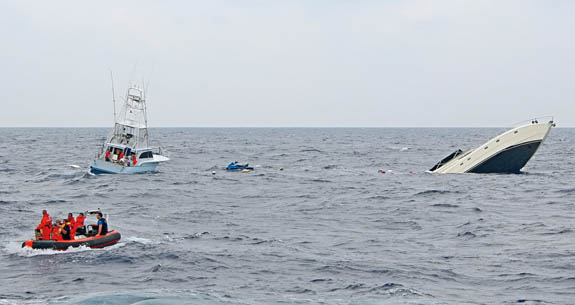
A DSC-equipped VHF can share your identity and lat/lon with rescuers at the touch of a button should an emergency occur. Here’s why nobody uses the system.

Defending the bandwidth for GPS.
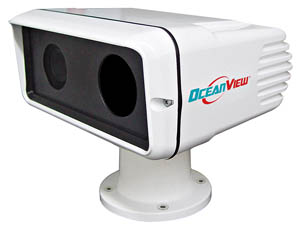
OceanView has added an option called SteadyView, a form of stabilization that is designed to remove the effects of unwanted camera movement, to its Apollo range of dual-sensor cameras.
If you are in distress, you should always use the red panic button on your DSC
radio to initiate a distress call. This has the important advantage of alerting
other vessels in your vicinity, as well as the Coast Guard. If there is time,
the distress menu will give you the option of indicating the “nature of
distress” as part of the DSC distress alert.
For non-distress purposes, however, a one-to-one call to your nearest Coast Guard
sector can be initiated using the routine call function, using the individual
MMSI.

Know how the components of your helm—and the rest of the boat—communicate.
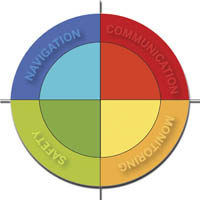
Think about each component of your boat’s electronics to create a powerful system that’s greater than the sum of its parts.

Amongst the acronym-heavy selection of electronics there are a few systems that really could be lifesavers…
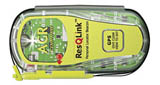
ResQLink: A Personal Locator Beacon is a worst-case-scenario device. Having one makes good sense…

When it bought Raymarine, thermal-imaging specialist FLIR had just introduced a range of handheld thermal imagers…
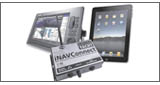
As our relationship with electronics continues to change, we need to know what we want now more than ever…
The “HM” stands for “Handheld Marine”, you can take it on your tender for those moonless treks back to the boat.
Designed to be attached to a PFD and activated by its wearer…
The new SI-TEX Marine Electronics SAS-300 recreational AIS transceiver can track nearby shipping on a 6.5-inch screen to ensure a high degree of situational awareness for anyone at the helm.
Garmin has introduced a line of thermal and low-light cameras. Simple control and cool target tracking mean it may be time for an upgrade that will help you use your boat more and more safely.
WatchMate Vision is the first dedicated Class B AIS transponder with touchscreen control.
A DSC-equipped VHF can share your identity and lat/lon with rescuers at the touch of a button should an emergency occur. Here’s why nobody uses the system.
Defending the bandwidth for GPS.
OceanView has added an option called SteadyView, a form of stabilization that is designed to remove the effects of unwanted camera movement, to its Apollo range of dual-sensor cameras.
If you are in distress, you should always use the red panic button on your DSC
radio to initiate a distress call. This has the important advantage of alerting
other vessels in your vicinity, as well as the Coast Guard. If there is time,
the distress menu will give you the option of indicating the “nature of
distress” as part of the DSC distress alert.
For non-distress purposes, however, a one-to-one call to your nearest Coast Guard
sector can be initiated using the routine call function, using the individual
MMSI.
Know how the components of your helm—and the rest of the boat—communicate.
Think about each component of your boat’s electronics to create a powerful system that’s greater than the sum of its parts.
Amongst the acronym-heavy selection of electronics there are a few systems that really could be lifesavers…
ResQLink: A Personal Locator Beacon is a worst-case-scenario device. Having one makes good sense…
When it bought Raymarine, thermal-imaging specialist FLIR had just introduced a range of handheld thermal imagers…
As our relationship with electronics continues to change, we need to know what we want now more than ever…