Wreaths on the Water
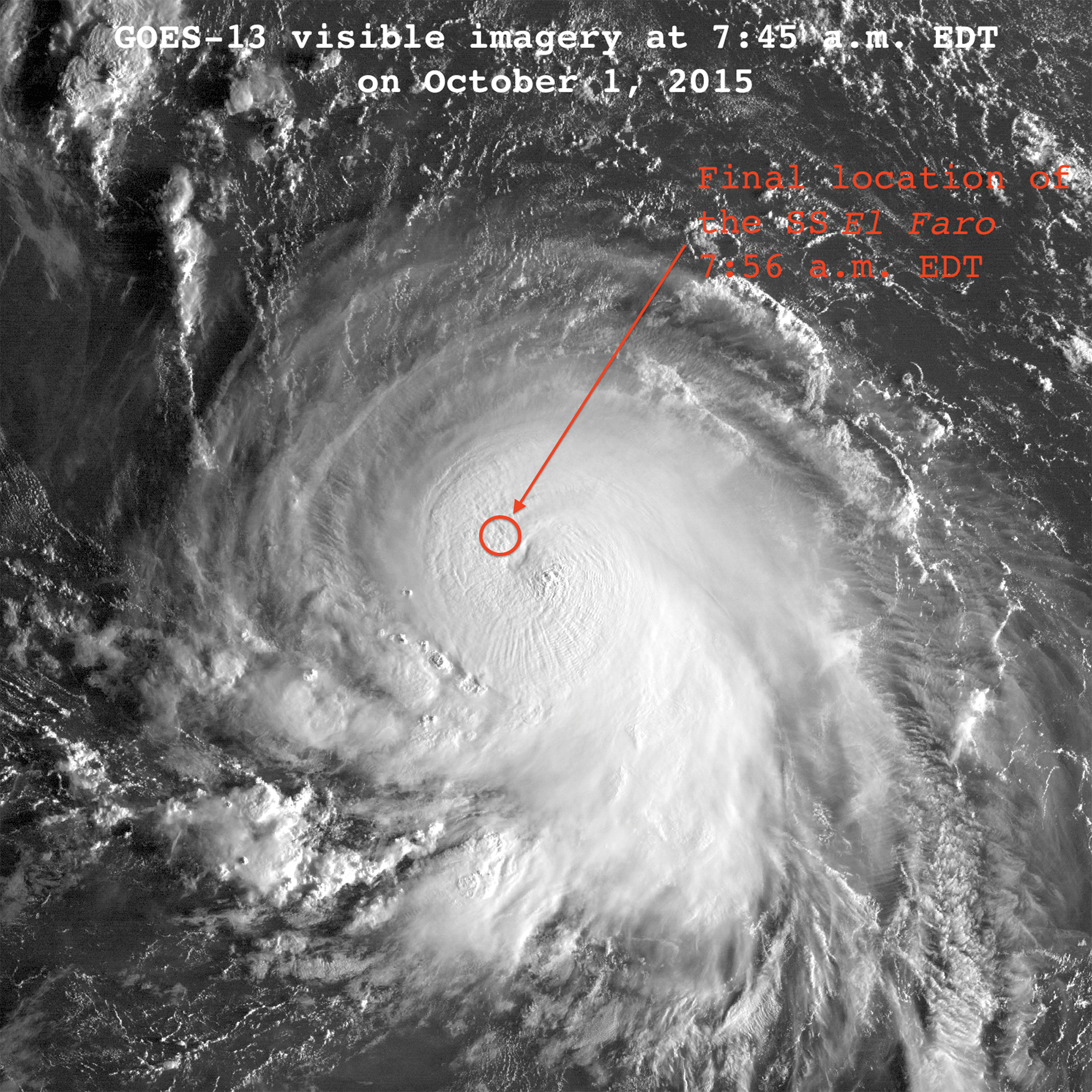
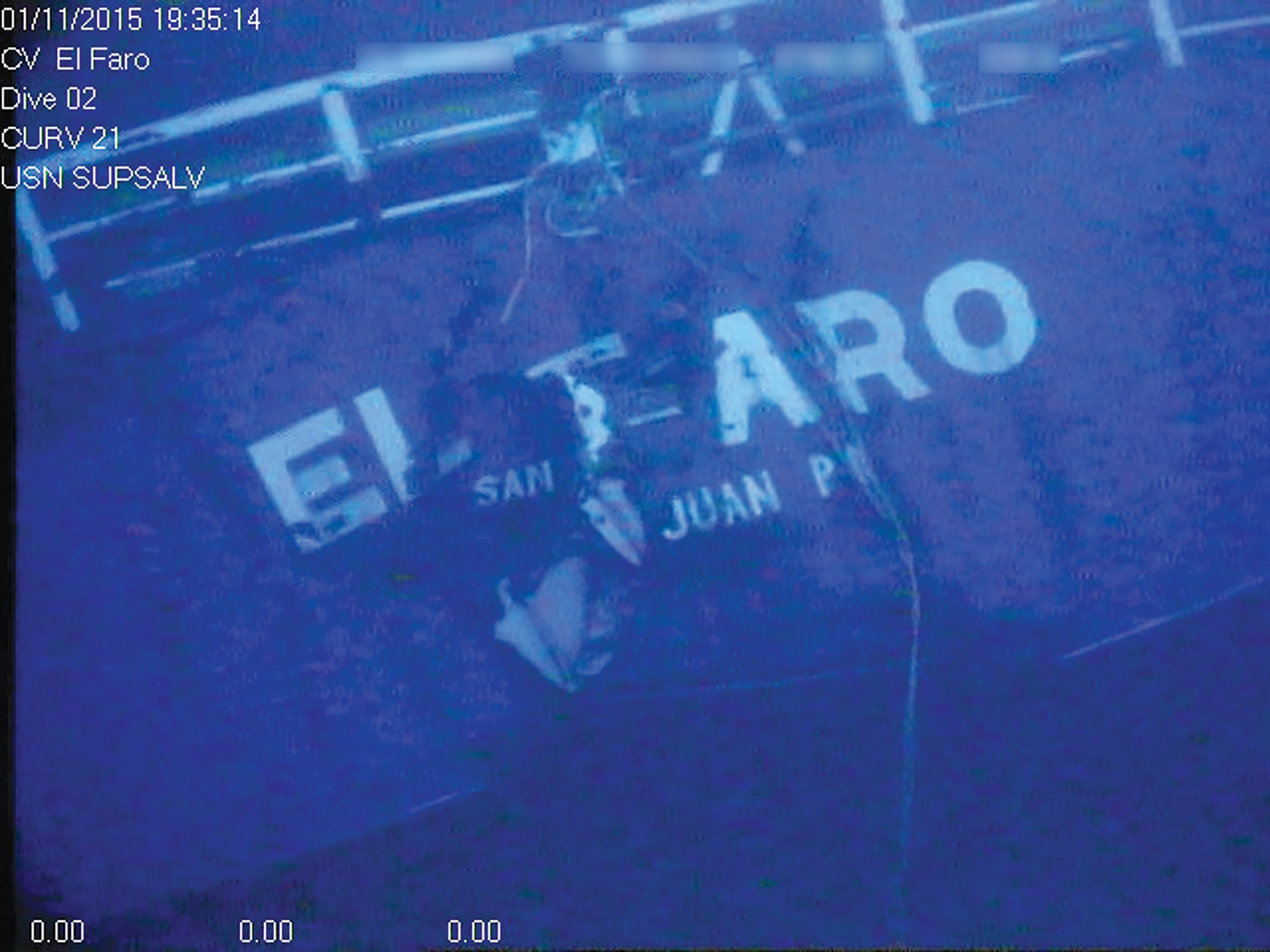
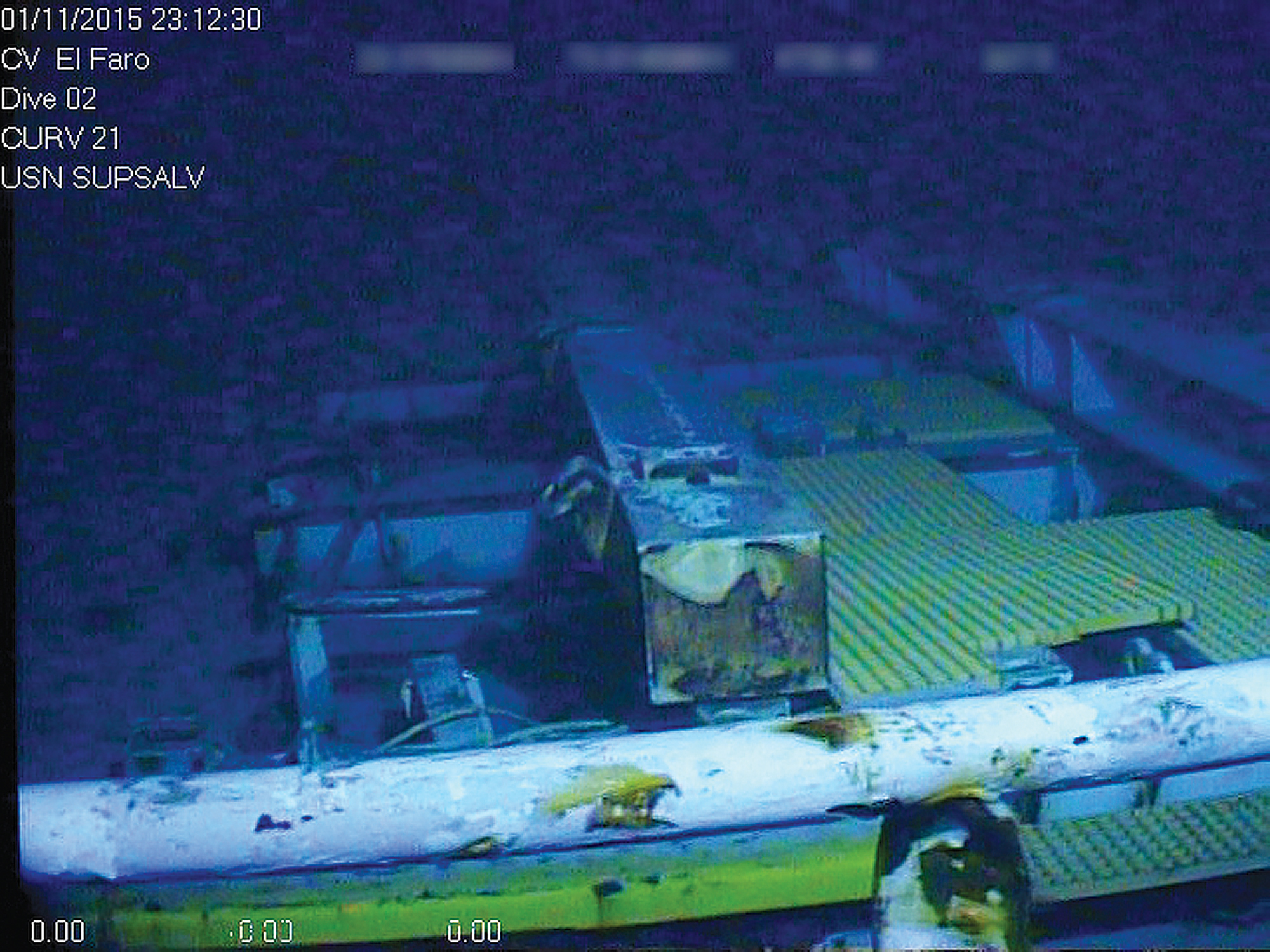
The sinking of the El Faro in 15,000 feet of water with all hands aboard was the worst commercial marine disaster in decades. It was also a reminder of one of seafaring’s most basic truths.
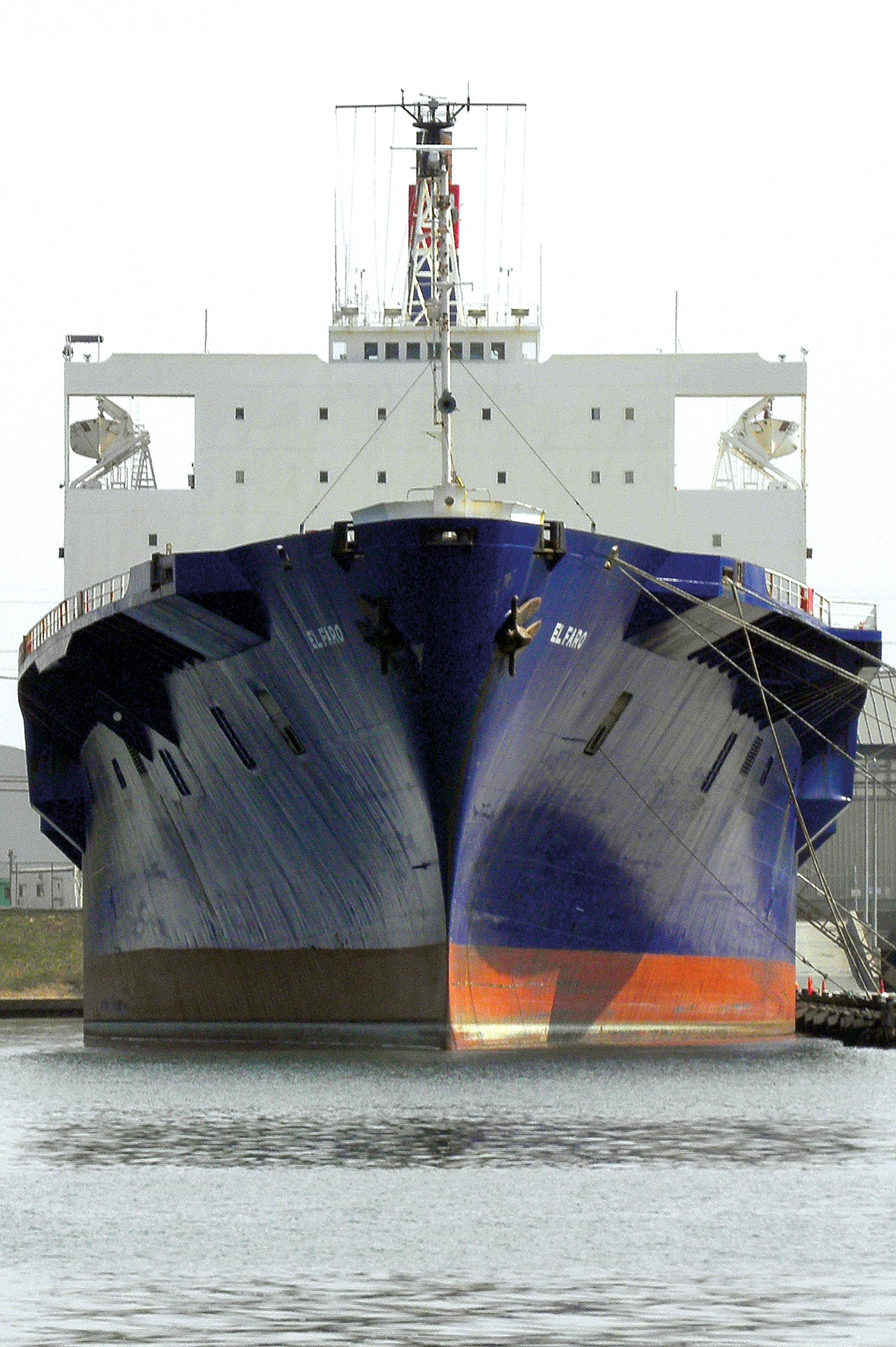
The media coverage concerning the sinking of the 791-foot cargo ship El Faro near the eye of a hurricane late last year in the Bahamas had a decidedly chilling effect, at least on me. Five of the El Faro’s crewmembers were graduates of Maine Maritime Academy, a school that used to exchange professors with my alma mater, the Great Lakes Maritime Academy. And reading about these salty graduates—and looking at their graduation photos on the Web—took me way, way back, not only to the commercial seafaring career I exchanged for magazine writing a couple of decades ago, but, more poignantly, to my own days as a young maritime academy cadet.
I liked being at the academy. And I especially liked being at sea during the training cruises, despite the long hours involved. The cruises smacked of the far-flung solitudes the seagoing life seemed to offer, and the soldierly camaraderie that came with it. But, beyond these fine things, there was a dark, undeniably grim side to “sailing,” as we used to call it, which first announced itself, as I remember, only a month or so into my freshman year.
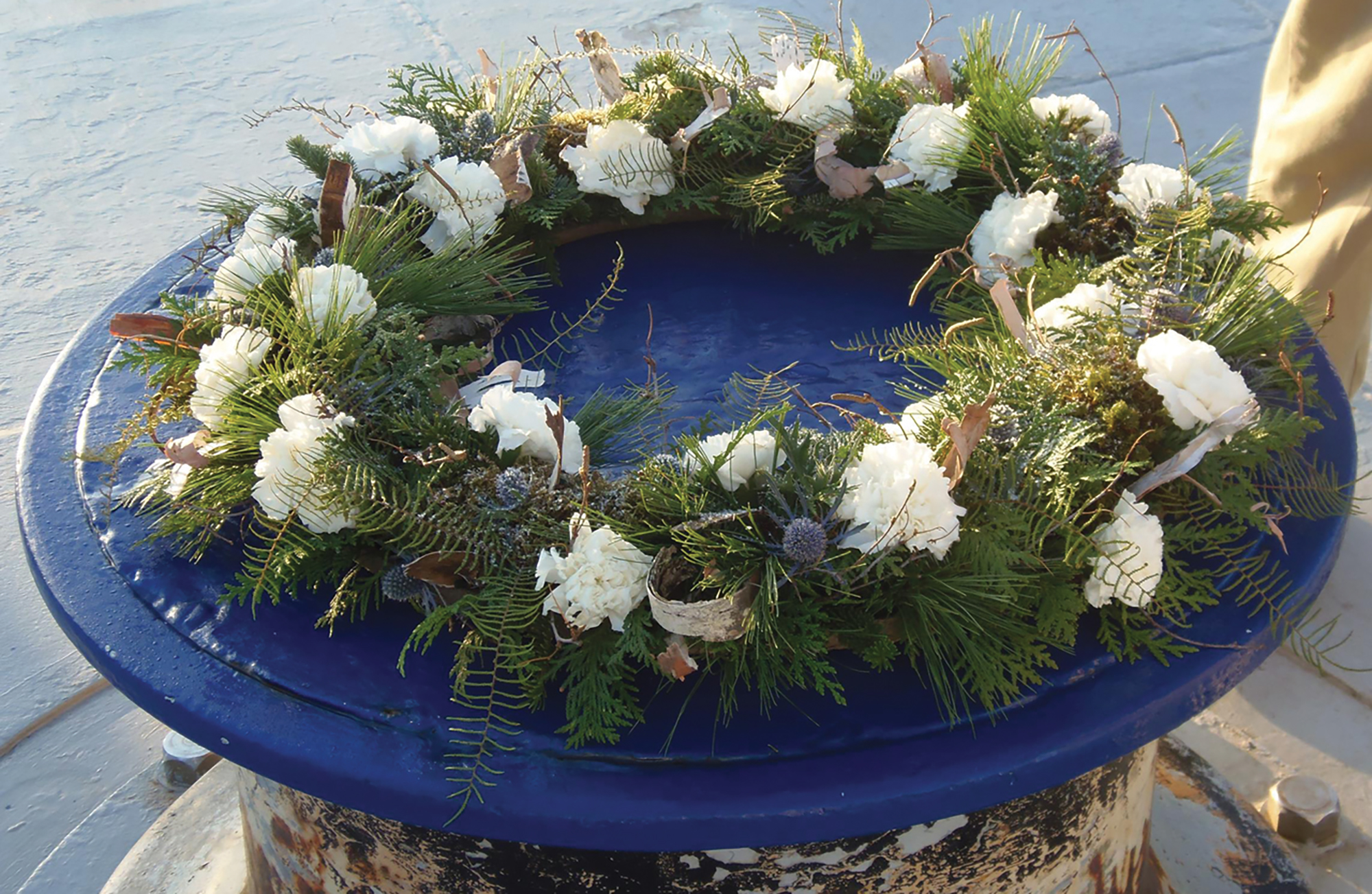
“Ding-ding, ding-ding,” a small bell intoned, as the entire cadet corps assembled in uniform on a long concrete pier, beyond the classrooms and offices of the academy. We bowed our heads and fell silent. Then two of our number stepped forward and committed a wreath to the cold, green waters below. The wreath memorialized two Great Lakes Maritime Academy cadets who’d shipped out on the S/S Edmund Fitzgerald, a steamship that had gone down a couple of years before during an early November storm on Lake Superior.
Certainly, the faces around me way back then were as youthful, energetic, and full of promise as the faces of the Maine Maritime cadets who, only a few short months ago, performed a similar ritual at the place where the El Faro sank in 15,000 feet of Bahamian water. But, thinking back, maybe there was some doubt in those faces, too. It’s a rare trade school, after all—and a maritime academy is in some sense a trade school—that mixes memorial services with its curriculum.
A Dicey Departure
Another memory the El Faro tragedy dredges up for me is perhaps even darker, more unsettling, than the one just described. It opens alongside a loading dock in Duluth, Minnesota, on the western end of Lake Superior, more than three decades ago. At the time, I was in my second year at the academy and serving aboard a beautiful, 630-some-foot ore carrier, American-built and, unlike the 40-year-old El Faro, just about brand new. Although cadets on board such vessels in those days occupied a low rung on the social ladder, I had somehow managed to acquire enough status on board to be in charge of what the skipper called, “the weather map.” Weather’s important to those who transit Lake Superior, especially in November.
The specifics concerning the map, essentially a whiteboard I populated daily with isobars, wind arrows, and other symbols, escape me now. But I do remember following the development of a monster low-pressure area that was working its way toward us from the Great Plains as we offloaded coal in nearby Superior, Wisconsin, and then shifted to Duluth to load iron ore. Ultimately, the isobars I drew with a black felt pen as the days went by got so close together they began blending into one. Isobars packed tight, of course, spell one thing—wind!
How low the barometer slunk as the storm drew nigh I’m not sure. And precisely what shifts in wind direction the storm’s movements were predicted to produce over the lake I don’t recall either. But there is one thing I do remember well—the stunned response from the crew when the first mate announced we’d be departing Duluth on schedule.
“We’re f—ed!” opined the bosun, as the two of us stood on the fantail with the lights of Duluth fading behind us. Although this statement was a seasoned one, I nevertheless persuaded myself that our captain, who was a very competent-seeming guy, knew what he was doing, in spite of all the expletives he himself had uttered earlier over the weather map.
“Wind’s not that bad right now,” I remember offering as our ship slowly but steadfastly picked up speed.
“We’re f—ed,” the bosun retorted vehemently, “F—ed!”
Survival Suits on the Bridge
What ensued was the worst storm I’ve ever had the good fortune to live through on the water. A couple hours after dark, the wind shifted into the northeast and began roaring down the entire length of the lake, creating outrageous conditions for any vessel bound in the opposite direction. My shipmates pretty much agreed that night that we were encountering 30-foot head seas; not constantly, mind you, but often enough. The passageways on the main deck were awash at one point—water, very cold water, had somehow gotten in and was sloshing back and forth, an eerie scene lit by the ship’s emergency lights.
But the real deal was topside, several stories up. Undoubtedly due to the wholly suspect but wholly human belief that survival is directly related to community, most of the crew stood as one on the bridge, watching what was playing out beyond the front windows, in the white glow of two enormous spotlights. Every one of us had donned a survival suit.
What we saw out there was fascinating, albeit terrifyingly so. Each time the bow slammed into a wave, the entire forward half of the ship would go underwater, virtually disappearing from view. A few moments later, as the ship shook wildly from the blow she’d just taken, the huge propeller at her stern would break free of its element, overspeed, and whir violently. Then ultimately, after seconds had ticked by with the seeming duration of hours, the entire throng would cheer in a collective roar as the forward half of the ship started to emerge, shedding literally tons of water, struggling like a drowning man to rise clear and return to the pale beams of the spotlights, just before having to deal with the awful onslaught all over again.
A Risky Enterprise
Obviously, our ship did not become a marine casualty that night—indeed, only modest damages resulted. But my experiences on board served to drive home a deep and abiding truth about the career I’d chosen—going to sea is a fundamentally risky enterprise and sometimes, whether due to human frailty or bad fortune, it can prove disastrous.
But the need to tempt fate seems to remain nevertheless. Transiting Lake Superior in November during what was predicted to be a full gale was a dangerous and ill-considered thing to do, in my opinion, and, to this day, I have no idea why our skipper made the decision he did. Was it scheduling pressure from shoreside personnel? Hubris? Reputation? Some sort of miscalculation? Or the overconfidence that sometimes obtrudes when a long run of good luck gets mistaken for impunity? Given all the decades that have since elapsed, I presently find it impossible to say.
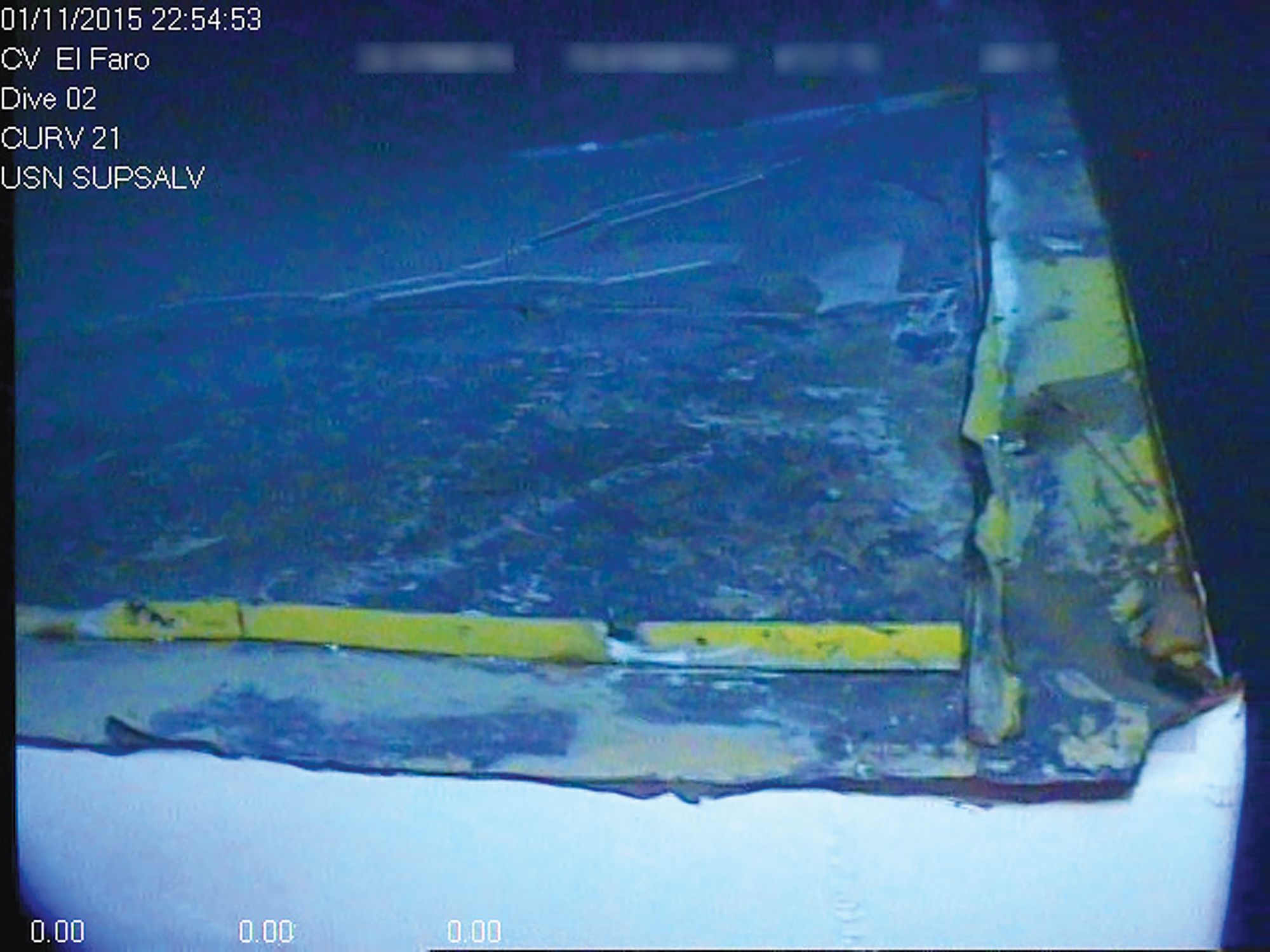
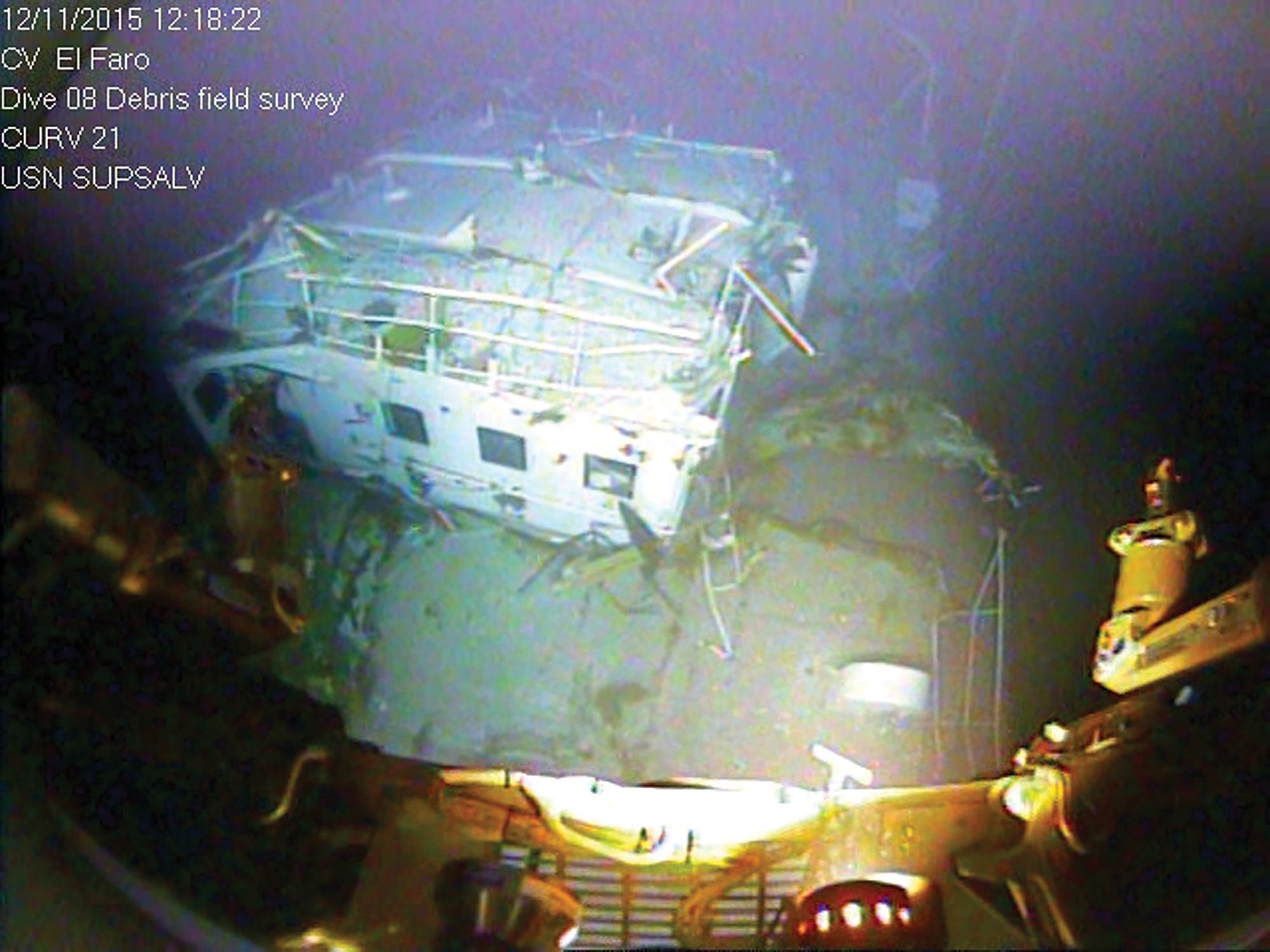
Such questions, however, continue to haunt the maritime realm of today. Floridians, for example, made up a large share of the El Faro’s crew and at press time their families, as well as Florida’s U.S. Senator Bill Nelson, the ranking Democrat on the Senate Commerce Committee (which oversees the National Transportation Safety Board or NTSB, the agency investigating the El Faro tragedy), were pushing hard to answer one especially compelling interrogative: When her steam-turbine powerplant shut down, leaving her literally powerless to deal with wind and wave, why was the 40-year-old El Faro in such close proximity to the eye of a hurricane that would ultimately become a category-4 storm?
Nelson was especially adamant about the issue, describing the last reported position of the ship as “inexplicable” and calling for the NTSB, which (at press time, again) had yet to recover the El Faro’s Vessel Data Recorder, to make a second effort.
“I urge you to strongly consider another search to locate the missing recorder,” Nelson told NTSB officials, “It is critical that we determine not only what happened to the El Faro but why. As soon as we know that, we can look at what we can do to prevent tragedies like this from ever happening again.”
The Perception of Risk
By Capt. Dan Parrott
The international maritime community is continually engaged in a process of improving safety at sea, within the bounds of technology, cost-benefit analysis, and the ability of said community to agree. Big changes in maritime safety are almost always in response to an accident, or an accumulation of accidents. Some have more leverage than others to open a “policy window” and push the stone of regulation a little farther up the hill of inertia and disparate interests. One of the more ambitious attempts in recent decades to foster a culture of safety at sea is the International Safety Management (ISM) Code. Its creation was largely driven by the sinking of the Herald of Free Enterprise in the English Channel in 1987. When the ferry left port with its enormous bow doors open, the North Sea washed in and the vessel immediately capsized taking 188 lives. The investigation found not only lax practices aboard, but also a dysfunctional shoreside management apparatus that placed sailing on time above safety. Among other things, the ISM Code codifies a process of continuous improvement in safety practices, which includes bridging the gap between shipboard and shoreside perspectives.
The El Faro fell under the ISM Code and had an up-to-date Safety Management System in place. There is every reason to believe that the ship met all applicable standards at the time she sailed, though there is much we do not know. This much we do know: It is easier to codify safety equipment, licenses, hull thickness, renewal dates, and service intervals than an individual’s or an organization’s perception of risk. In general, we can assume that long experience leads to a more accurate perception of risk, and therefore more appropriate margins of safety. But occasionally it may not, especially if past experience leads us to overestimate our ability to control events, and underestimate the capacity for things to go wrong in the vicinity of a hurricane. Giving decision-makers the latitude to make only good decisions but never bad ones is a conundrum that no code has yet solved.
Capt. Daniel S. Parrott is a professor of marine transportation at Maine Maritime Academy in Castine, Maine.