Common Sense Docking
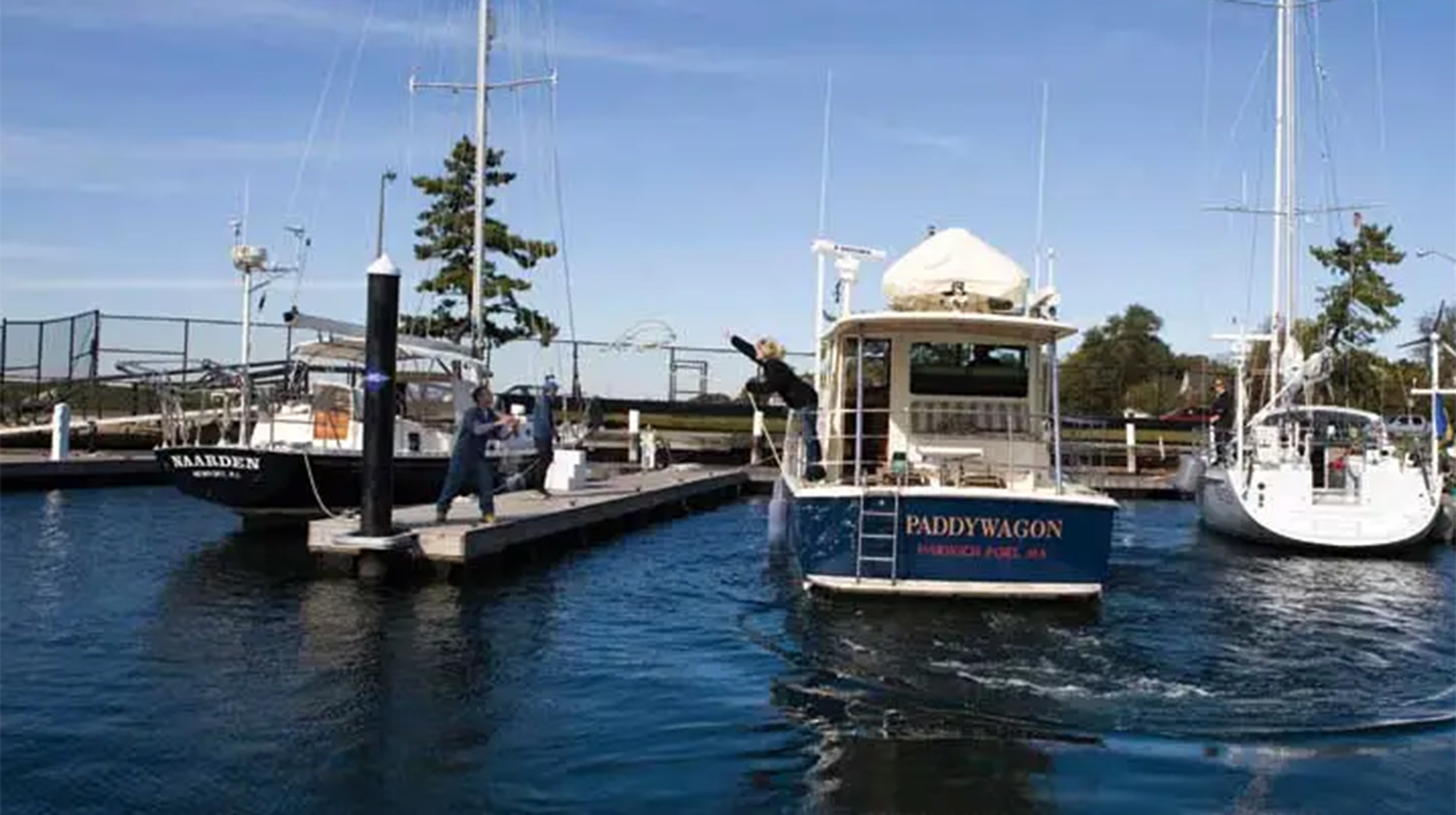
These old-fashioned skills can help you get your boat on and off the dock smoothly.

These old-fashioned skills can help you get your boat on and off the dock smoothly.

Inlets can be tricky. Here’s some expert advice to help you avoid a harrowing tale.
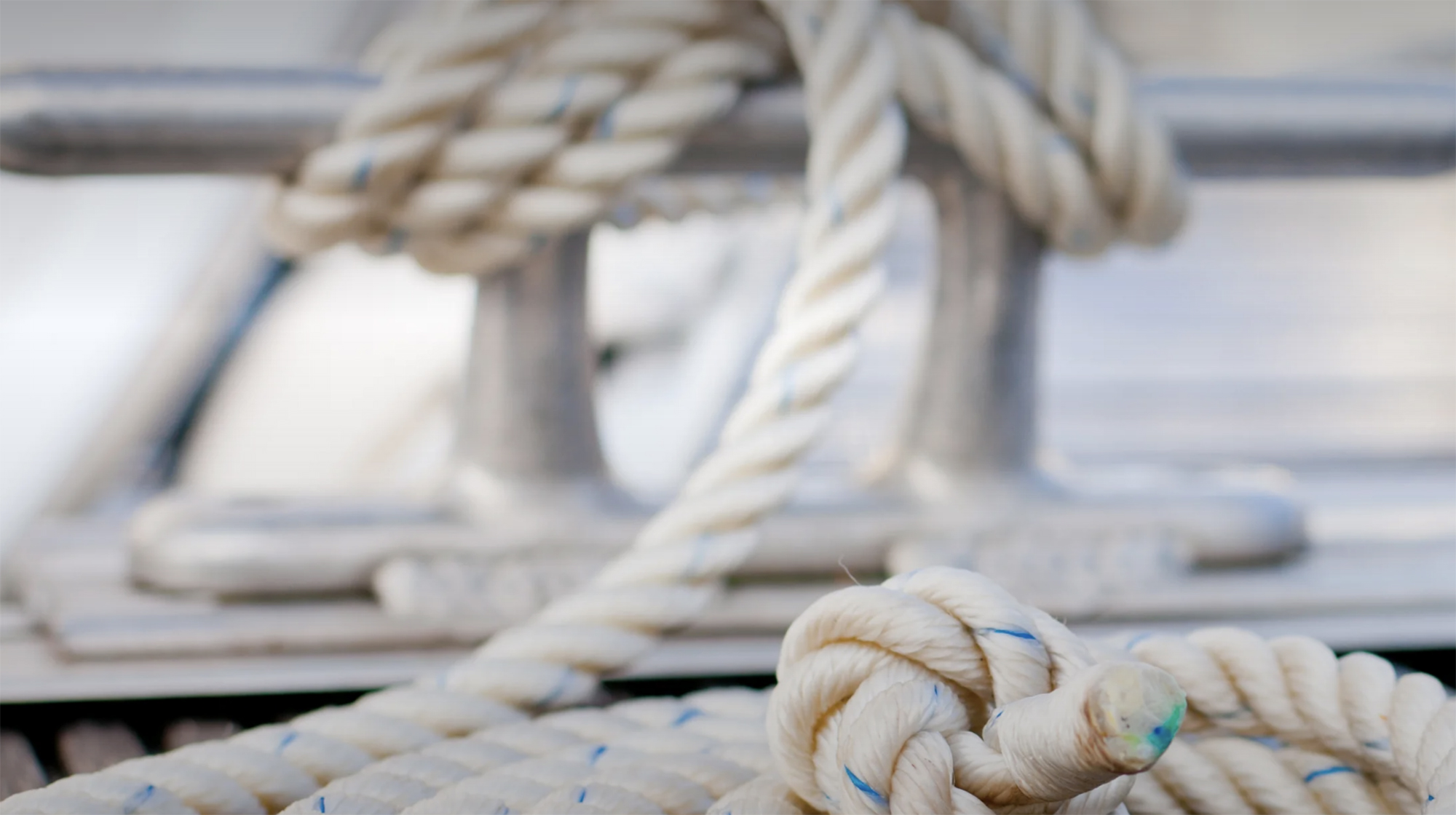
Mooring 101: Best Practices, Worst Mistakes. It’s not just your mooring lines that require attention. It’s also what you tie them to at the dock.
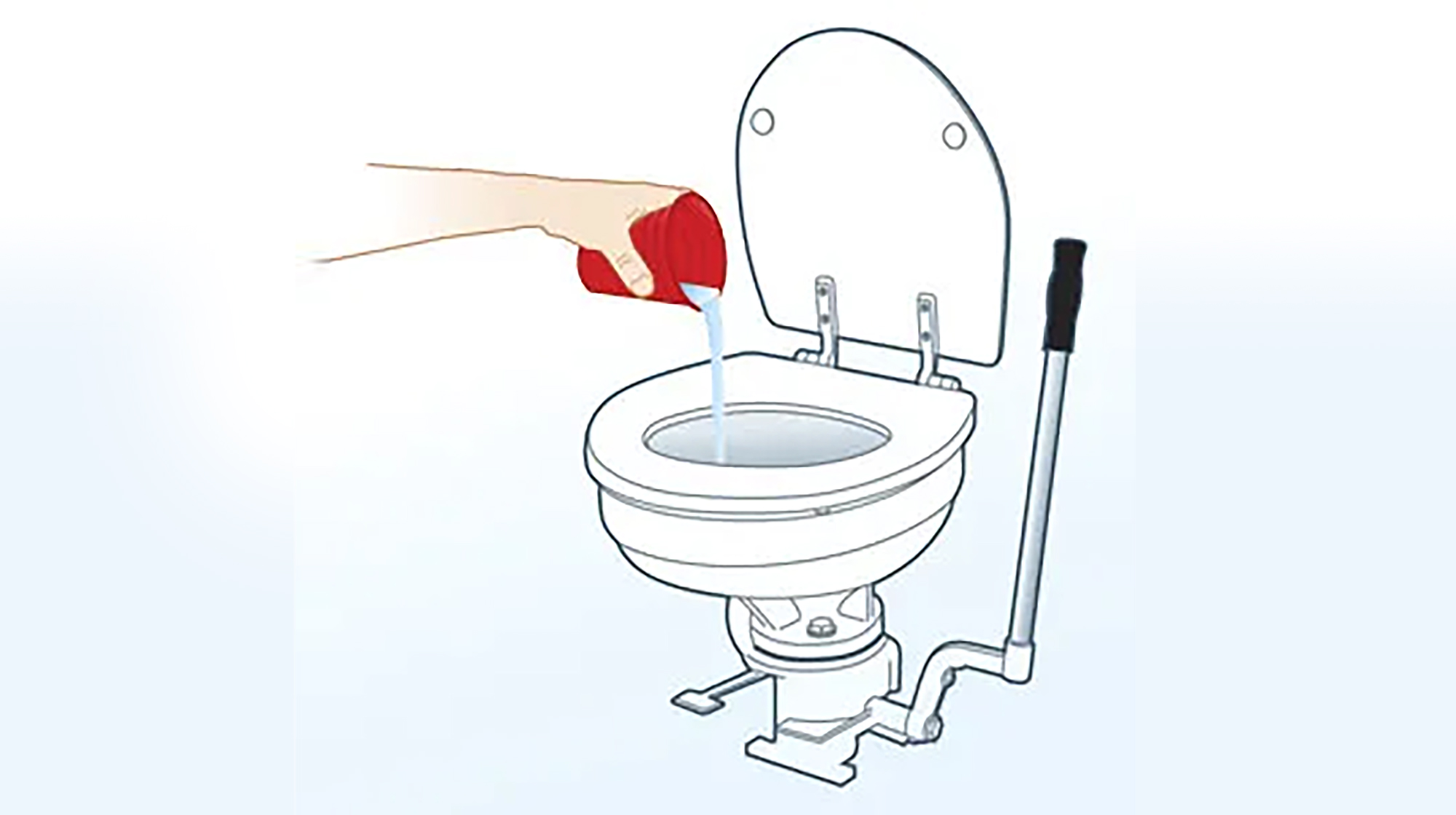
Adding water to your head before leaving your boat will help keep the internal components from drying out.
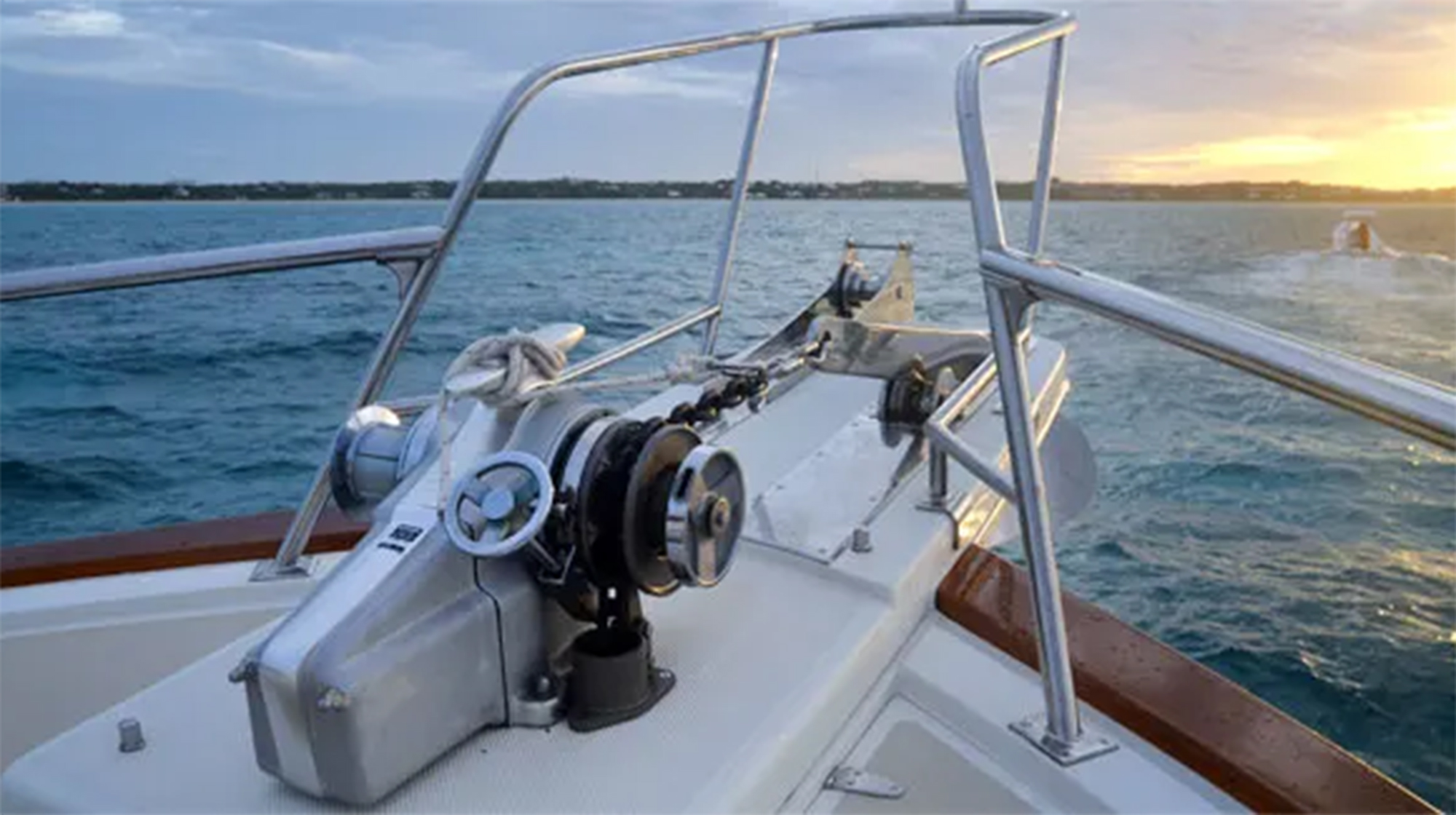
The most critical thing you can do to preserve the well-being of an anchor windlass is to retrieve your anchor in the correct manner.
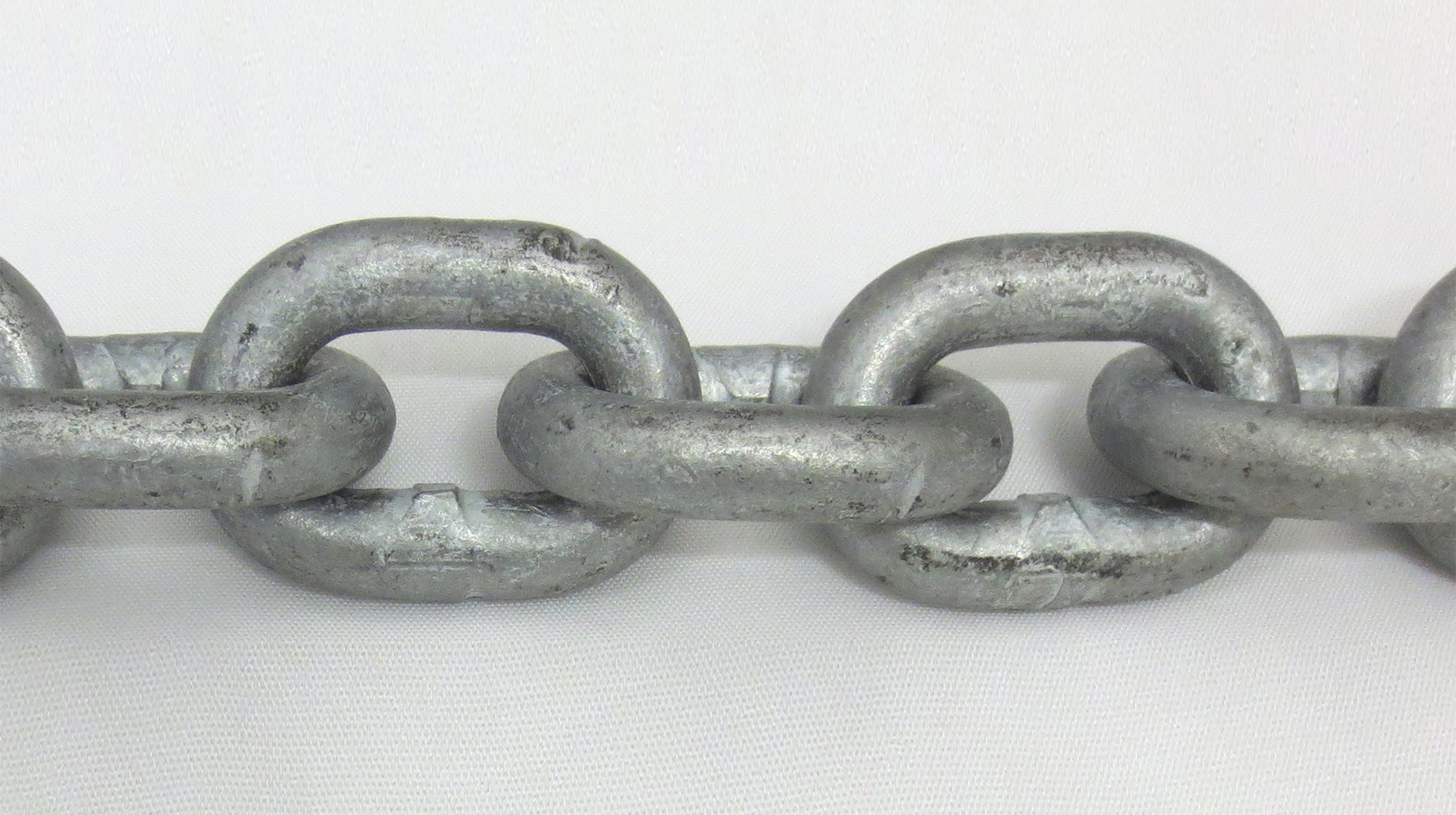
Losing an anchor due to a bad detachable link or a worn-out swivel or shackle can be VERY expensive. That’s why you should range the chain on your boat every few years.
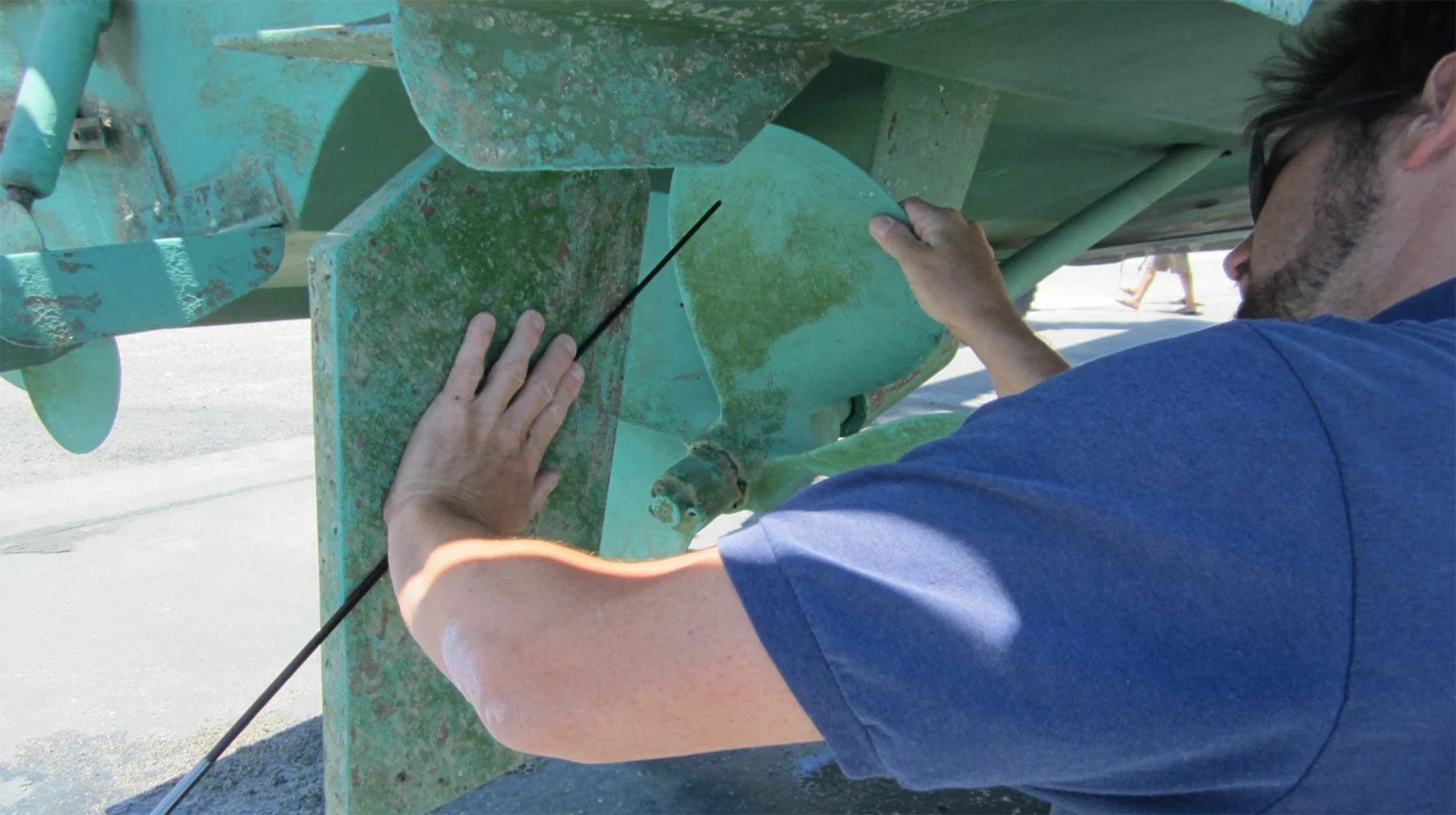
Tracking down the source of onboard vibration requires a methodical approach.

AIS is valuable on any boat, but treat the information it displays with a dollop of skepticism and remember that boats not transmitting on AIS are not as noticeable as those that are.
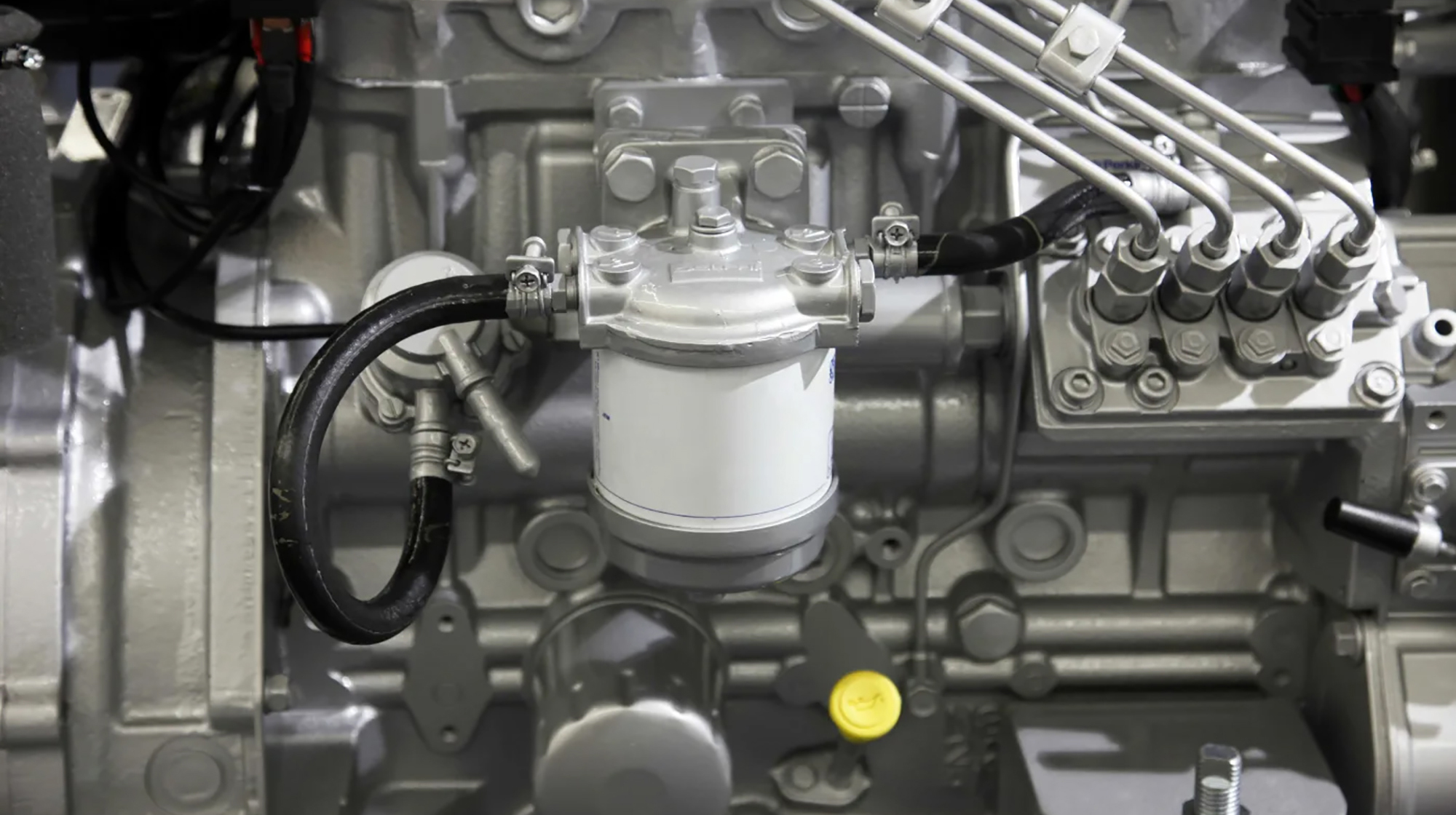
If you allow air to enter the supply line of an engine it will promptly airlock the engine and summarily shut it down. Here are the steps to get things going again.
Tips to keep your boat’s propellers and shafts functioning properly.
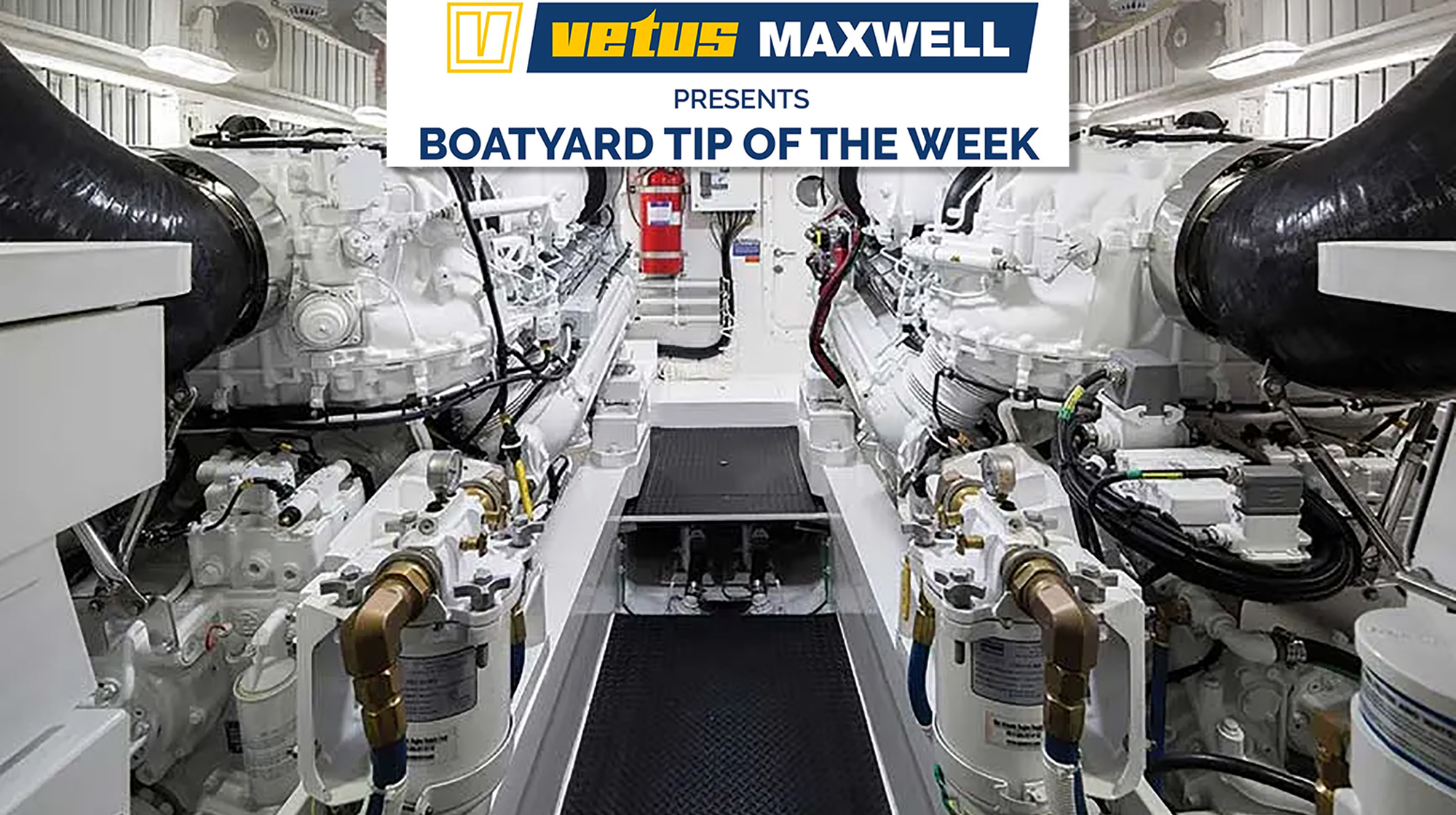
Should you have your oil analyzed? These experts say yes, since the lab report can tell you a lot about the health of your engines.

No amount of horsepower or gadgetry compensates for seamanship skills, so get yours in order

This old-school system for managing maintenance tasks still holds up today.
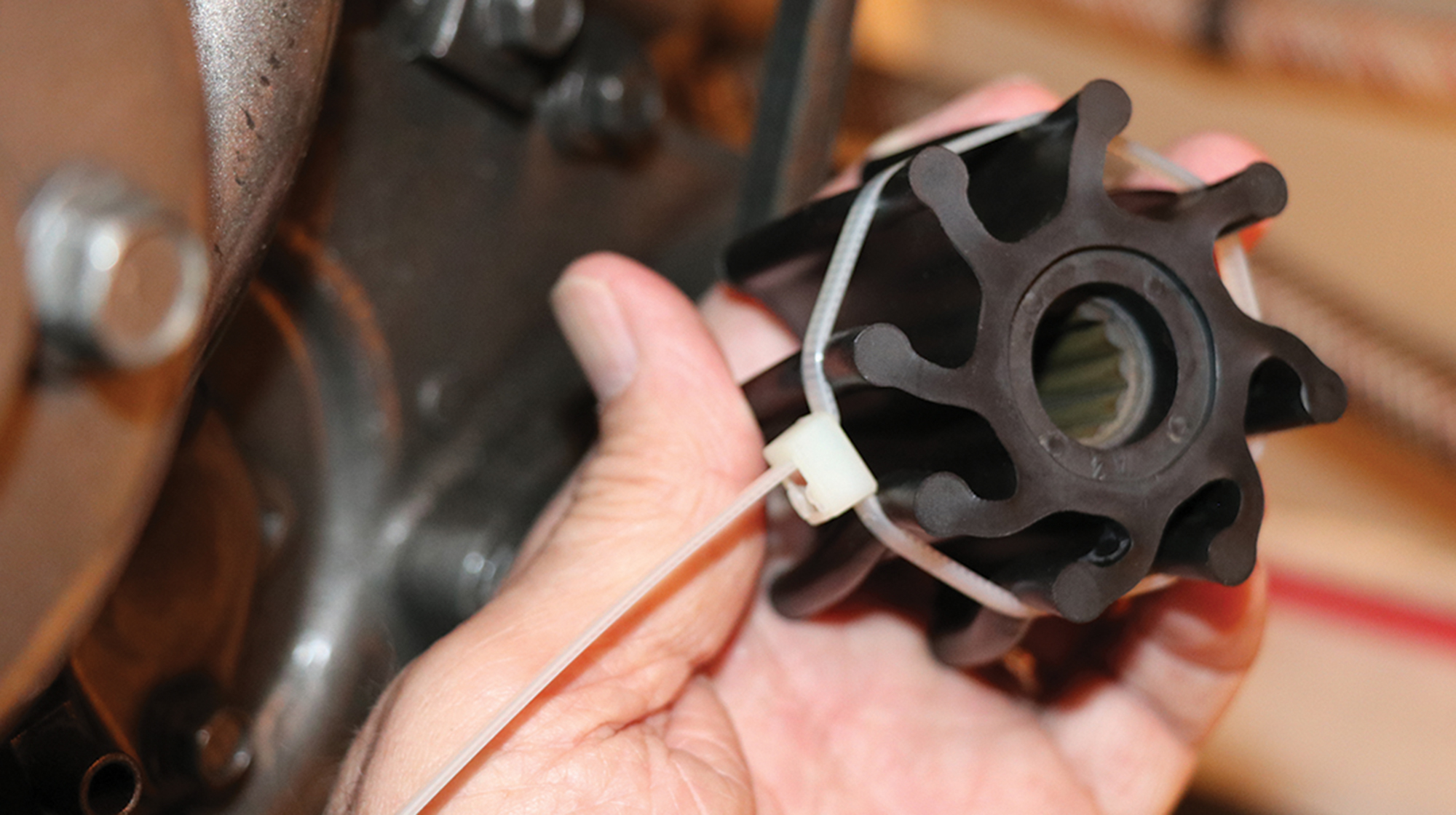
How to simplify swapping out that old, damaged chunk of rubber.
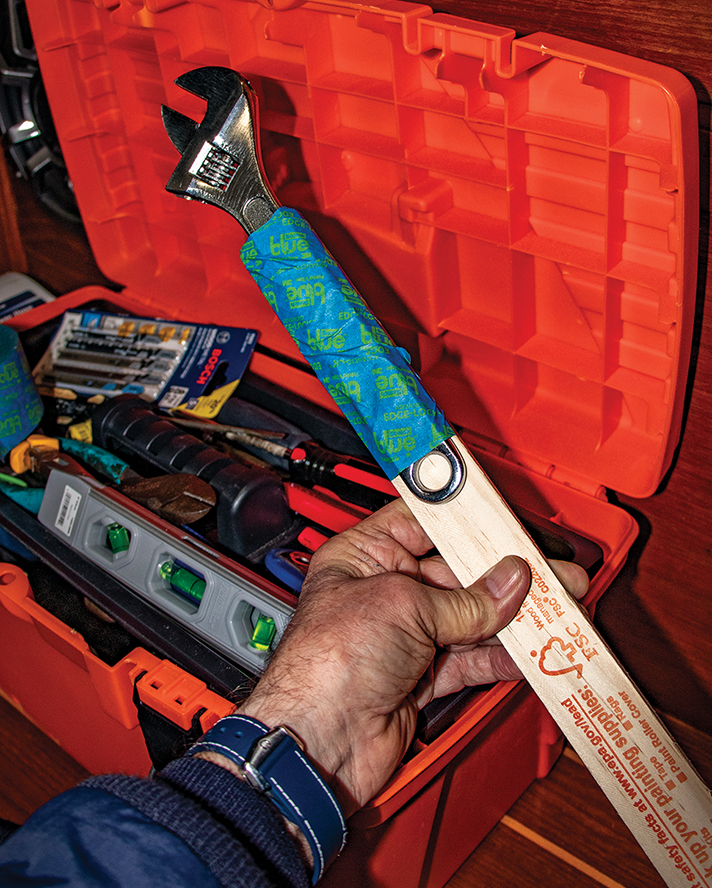
Marine technology has come a long way, but sometimes we can still turn to our cavemen ancestors for simple innovations when the wrench just won’t reach that darn nut.
These old-fashioned skills can help you get your boat on and off the dock smoothly.
Inlets can be tricky. Here’s some expert advice to help you avoid a harrowing tale.
Mooring 101: Best Practices, Worst Mistakes. It’s not just your mooring lines that require attention. It’s also what you tie them to at the dock.
Adding water to your head before leaving your boat will help keep the internal components from drying out.
The most critical thing you can do to preserve the well-being of an anchor windlass is to retrieve your anchor in the correct manner.
Losing an anchor due to a bad detachable link or a worn-out swivel or shackle can be VERY expensive. That’s why you should range the chain on your boat every few years.
Tracking down the source of onboard vibration requires a methodical approach.
AIS is valuable on any boat, but treat the information it displays with a dollop of skepticism and remember that boats not transmitting on AIS are not as noticeable as those that are.
If you allow air to enter the supply line of an engine it will promptly airlock the engine and summarily shut it down. Here are the steps to get things going again.
Tips to keep your boat’s propellers and shafts functioning properly.
Should you have your oil analyzed? These experts say yes, since the lab report can tell you a lot about the health of your engines.
No amount of horsepower or gadgetry compensates for seamanship skills, so get yours in order
This old-school system for managing maintenance tasks still holds up today.
How to simplify swapping out that old, damaged chunk of rubber.
Marine technology has come a long way, but sometimes we can still turn to our cavemen ancestors for simple innovations when the wrench just won’t reach that darn nut.