If all you looked at were the glossy magazine ads and slick productions that flood our social media feeds, you’d think boating was invented solely for the month of July. The imagery is usually the same: sun-drenched beaches, smiling couples lounging on the aft-deck, children leaping from swim platforms, and not a goosebump to be found.
I get it, the recreational boating industry knows what it’s selling, and sun is easier to market than mist. But for those of us who’ve spent a lifetime on the water, boating is far more than a summer pastime. It is in many ways at its most profound when the temperatures drop and the crowds thin. Maybe it’s because I grew up in Michigan boating on the Great Lakes, where summer was fleeting and fall announced itself early with a cold hand on the back of your neck. Or maybe it’s just the way I’m wired, but some of my richest memories aboard are wrapped in wool, rather than slathered in sunscreen.
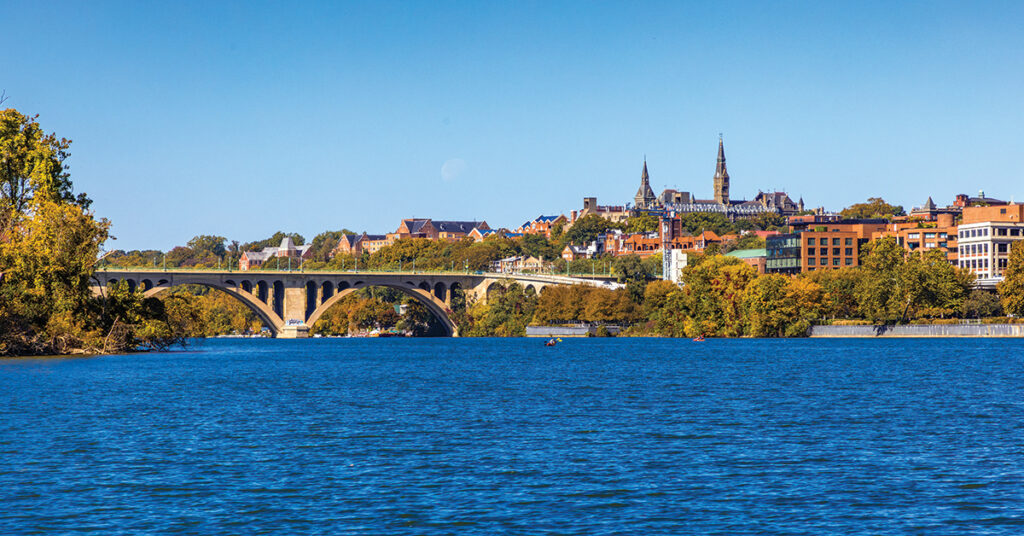
I loved those old Nescafé instant coffee commercials, with a salty sailor in a knit sweater, standing in a mist-shrouded cockpit, cradling a globe-shaped mug in his hands. The steam rising into the cool morning air carried more allure than the coffee did. Whoever dreamed up that ad may not have been a boater, but they sure captured what it feels like to greet a day on the water, when the season tilts this side of the marble away from the sun. There is a sensory richness to boating in cooler weather, that the bright glare of summer tends to wash out. When I step into our pilothouse on a crisp October morning, the warmth inside feels earned, a small haven against the chill pressing at the glass. The engines rumble to life with a throaty sound that seems deeper in the cold air. Outside, a low-lying steam-fog hovers just above the surface, sliding like silk across the water as we ease out of the anchorage.
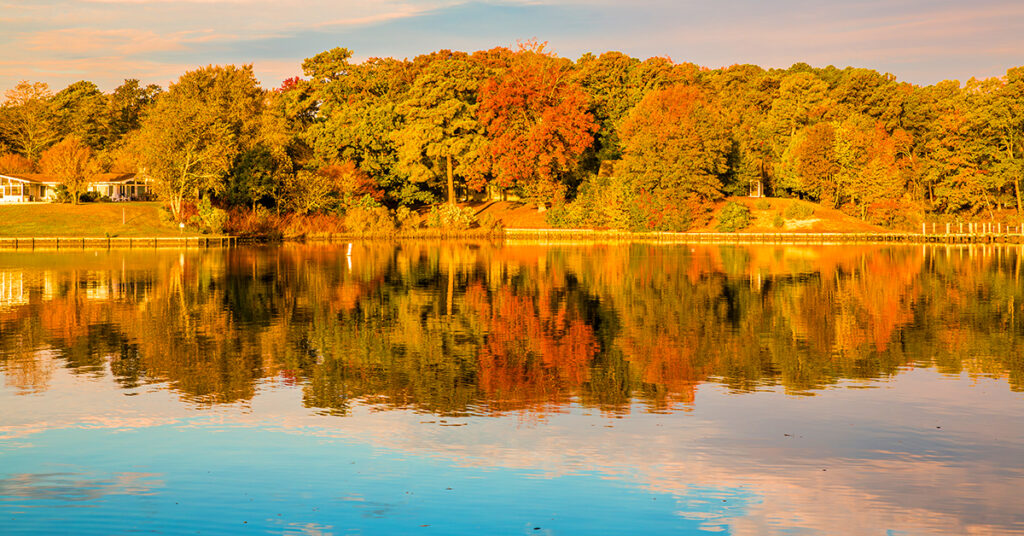
And then there are the colors—colors that you just can’t find in July. The flaming reds and golds of autumn leaves reflected in a placid cove, or the monochrome beauty of bare branches silhouetted against a steel-gray sky. These scenes don’t shout the way summer does—they whisper, and the whispers stay with you longer.
Even the wildlife seems more vivid in the shoulder seasons. On a cool morning, ducks and geese erupt from the water in bursts of energy, their wings slapping against the surface like applause. Herons stand like statues in the shallows, unbothered by human traffic because there is less of it.
Of course, one of the quiet pleasures of cool—weather boating is the absence of crowds. Marinas that were chock full in July, now echo with the sound of halyards clanging against aluminum masts. The fairways are empty, the fuel dock quiet. On the water, you can travel for hours and see no one, save maybe a lone fisherman bundled against the wind or a tug slowly pushing along.
In this quieter time, it isn’t seclusion we seek—it’s solitude. And that difference matters. Seclusion implies being cut off, but solitude is a chosen aloneness, a space in which to breathe. Out on the water in November, solitude feels like a gift. We drop the hook in a cove once filled with jet skis and find it hushed, the only sound is the wind combing through the trees. The world is still, and in that stillness, Liberdade is not just our floating home, but a sanctuary.
I’ll admit, boating outside of high summer demands more gear, but for me that’s part of the appeal. There is nothing like a traditional Channel Island gansey; those tightly knit woolen sweaters designed to hold warmth even when damp. There’s a heritage to them, a connection to centuries of mariners who faced the sea in all its moods. Pulling on a heavy sweater and watch cap before stepping out onto the deck feels almost ceremonial, a nod to those who went before.
And modern gear, while less romantic, makes the experience even more comfortable. A pair of fleece-lined gloves gripping wet dock-lines in the morning, or the comfort of insulated boots on a frosty deck—all these details add texture to the day. They remind us that we are not simply recreating, we are participating in a tradition as old as boats themselves.
Cool-weather boating also sharpens seamanship in ways that summer rarely does. For one thing, there’s less room for casual mistakes. In July, if I misjudge the current and it takes longer to get to the next harbor, we can idle along in the twilight without much concern. In November, when darkness falls early and temperatures plummet, suddenly our decision-making has real consequences.

Cold air also makes the water feel more serious, more elemental. We pay closer attention to tides and currents, to fuel management, to the accuracy of our route planning. Anchoring becomes less about convenience, and more about security when you know the night will be long and cold. Dock lines stiff with frost demand forethought and care. Even a simple dinghy ride to shore requires a little extra planning. In this way, the cold is a quiet instructor, teaching respect through its very presence.
While cool-weather boating offers solitude, it also fosters a different kind of fellowship. The people we meet on the water in the colder months are there for the same reason we are—they love it. They aren’t there to show off a new toy or to check a box on their vacation itinerary. They’re there because the water is part of them, and they can’t stay away.
Perhaps most of all, boating in cool weather lodges itself in memory. Ask a group of boaters about their most memorable days on the water, and often stories emerge about a time when conditions were less than perfect: maybe it was heading out on a frosty morning when their breath rose like smoke. These are the moments that linger, precisely because they are unusual, tinged with both challenge and beauty.
For me, the sight of steam-fog lifting at dawn from a quiet river in October is as lasting an image as any turquoise bay. The sound of rain tapping on the pilothouse while we sip coffee inside is as comforting as any beach party. These memories accumulate like treasures, not in spite of the chill but because of it.
None of this is to dismiss summer. I love summer boating as much as anyone. The long days, the warm swims, the gatherings with friends—those are joys worth savoring. But limiting boating to those months is like listening only to the chorus of a song and never the verses. The verses—the quieter, cooler, more reflective passages, give the chorus its meaning. Time on the water in the cooler seasons reframes the experience. It slows it down, deepens it, and reminds us that the water has many moods, all of them worth knowing.
Now, when I see a boating ad filled with palm trees and piña coladas, I nod and smile, but I don’t quite buy it. For me, some of the best times in our life aboard arrive after the crowds have gone. A warm pilothouse on a cool fall day, a knit sweater against the wind, a steaming mug cradled in your hands—this too is boating.
This article originally appeared in the December 2025 issue of Power & Motoryacht magazine.