Daydreaming about trailerable pocket cruisers can be therapeutic for boaters tired of marina shenanigans, yard-based hassle and costs, as well as having their cruising range dictated by the home port. Sometimes the limitation of a cruiser’s ambitions isn’t fuel range or open-water seaworthiness—often there’s a mountain range or continent in the way. Many experienced trailer-trawler enthusiasts are borderline evangelists about the life—particularly within the Ranger Tug community. I spoke with two such owners to learn about their trials and tribulations and garner some of their hard-earned wisdom.
Alaskan Trailer Trawlering
“I boat out of Anchorage, so our primary boating is in Prince William Sound,” said Tim Alderson when I caught up with him at the Seattle Boat Show. Alderson was visiting to pick up his family’s new Ranger Tug 31 from the Monroe, Washington factory. “It’s my third Ranger Tug, classic 2-foot-itis: I had a 27, 29 and now a 31.”
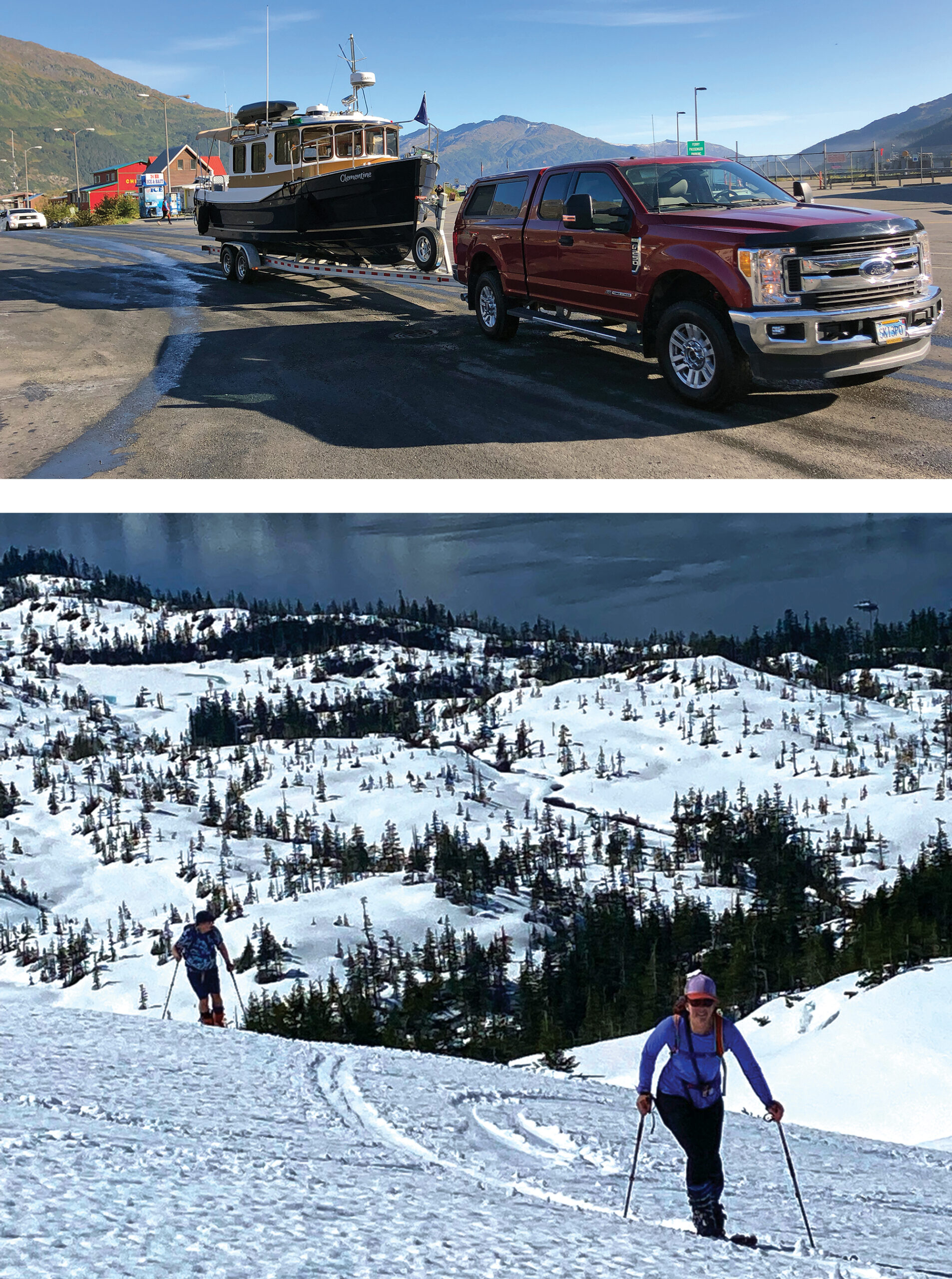
For the Anchorage-based Aldersons, Whittier is their primary access point to 10,000 square miles of pristine Prince William Sound waters. The remote cruising paradise is carpeted with virgin forests and over 40 tidewater glaciers. Out of the three total access points, only two are connected by road—Whittier to the west, Valdez to the east.
“It’s probably the best cruising in the world, honestly,” said Alderson, who also organizes the annual Alaska Ranger Tug Rendezvous event. “Once you start buying from the factory, you get to know those guys. It’s been so great to have this support. Up in Alaska, when they come once a year, we can get some work done if we need to. It’s really awesome.” He says there were about 25 participating boats for the event with the fifth iteration planned for Cordova, Alaska.
The Aldersons have combined their boating enthusiasm with their skiing passion. Their two high school-age daughters are competitive downhill skiers who work hard during the winter season. Come spring, the family unwinds with a Prince William Sound cruise to remote backcountry slopes to ski in a more carefree setting.
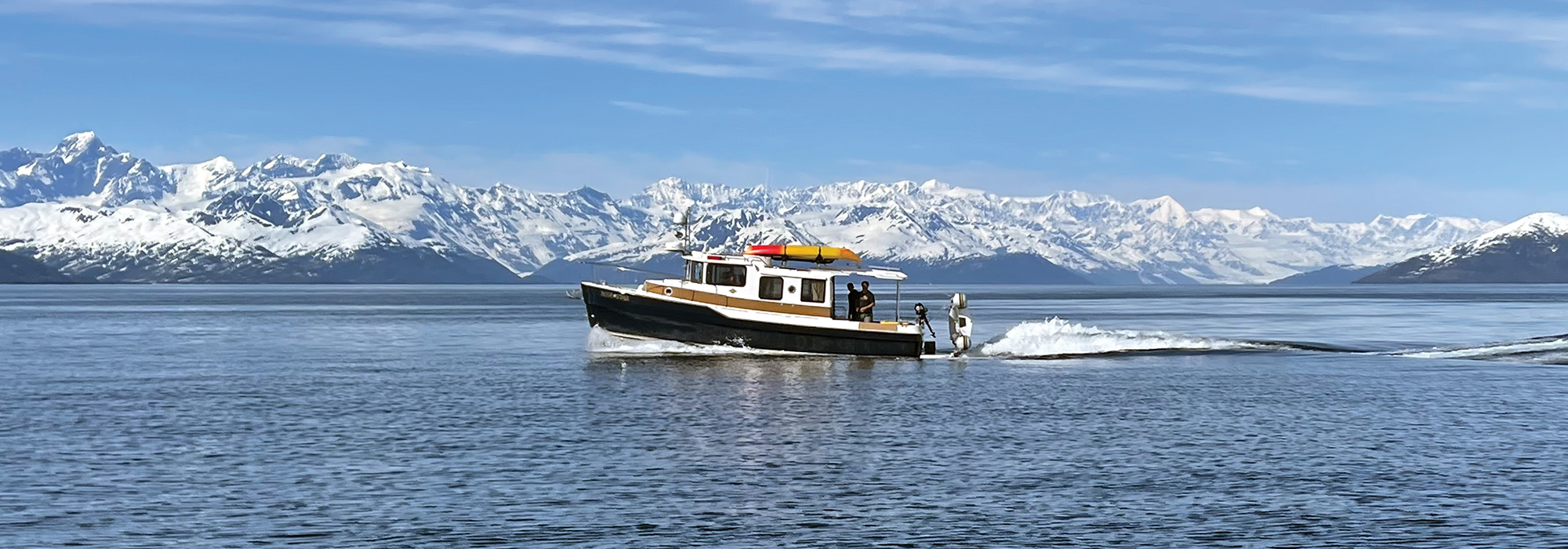
“We get out there and it’s pristine wilderness in the middle of nowhere, and you have it all to yourself,” said Alderson. “It’s a great way to cap off the ski season because the kids train really hard. And then it’s just a way to go out and do something as a family.”
Not only are the Ranger 29 and Ranger 31 already legally oversized trailer loads, but the infamous 2.5-mile Whittier Tunnel—the longest of its kind in North America—is a regular hurdle to clear. The one-lane tunnel also incorporates the train tracks and switches directions every half an hour.
“When it opens, everybody hits the ramp at the same time,” said Alderson with a chuckle. “You really want to be an expert at backing down or you’ll suffer the ridicule of your fellow boaters who all think that if they lose five minutes they’ll miss the big salmon.”
One major factor in Alderson’s embrace of the trailer is that transient slips are few and far between in Alaska. Perks of the trailer life include the fact that the boat lives at home in a heated garage when not cruising, keeping it in Bristol condition with easy access for maintenance. No anode replacements or annual waxing required. Having the boat at home also makes trip prep and loading a leisurely activity. The trailer gets the same benefits.
Another benefit is the ability to refuel on land while always minding ethanol content. “You’re not out there treading water waiting for a spot at the fuel dock, you can just go right in (to the gas station),” said Alderson. “We run home empty so the trailer’s lighter, and fill on the way—that’s a real advantage.”
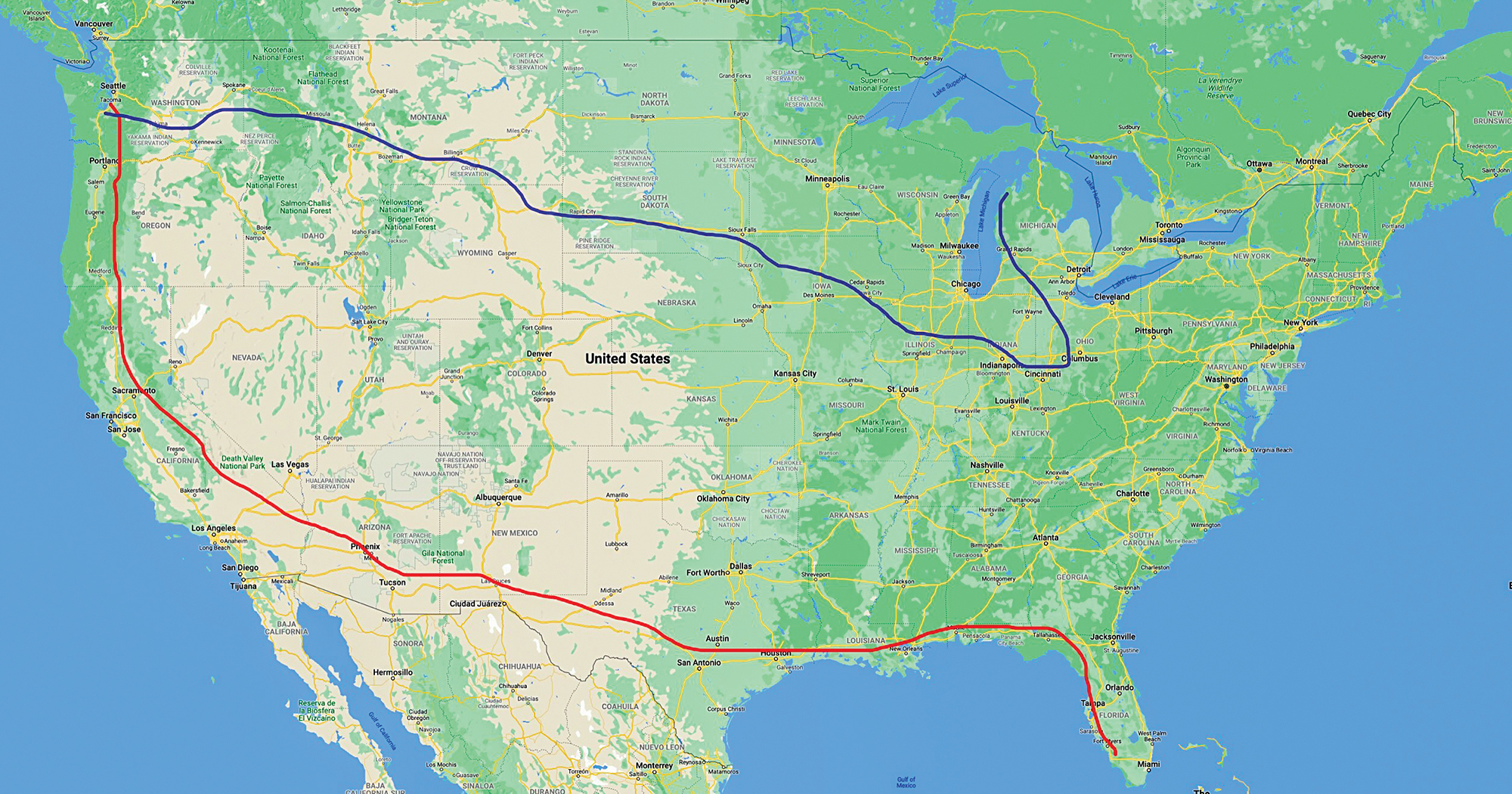
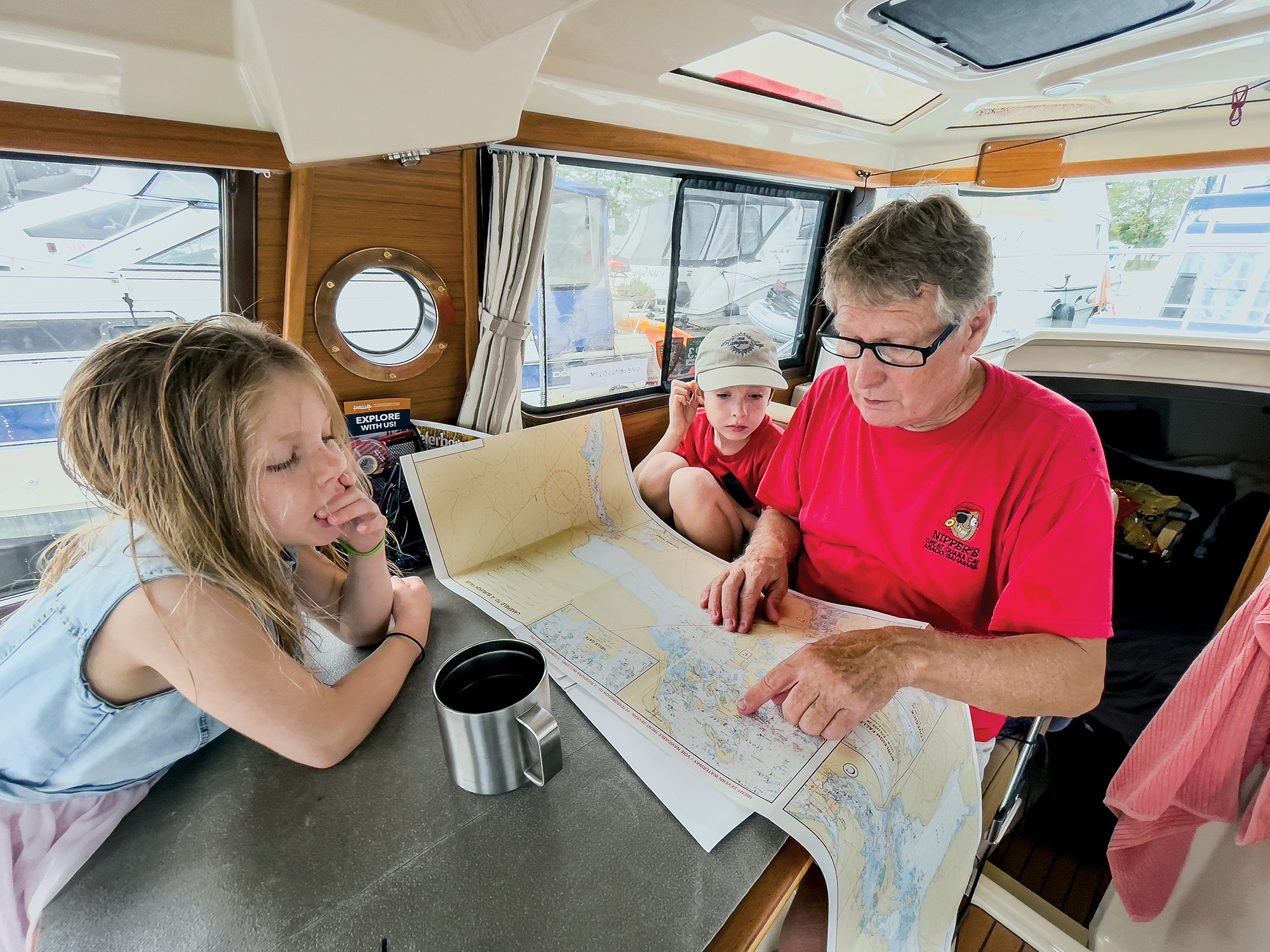
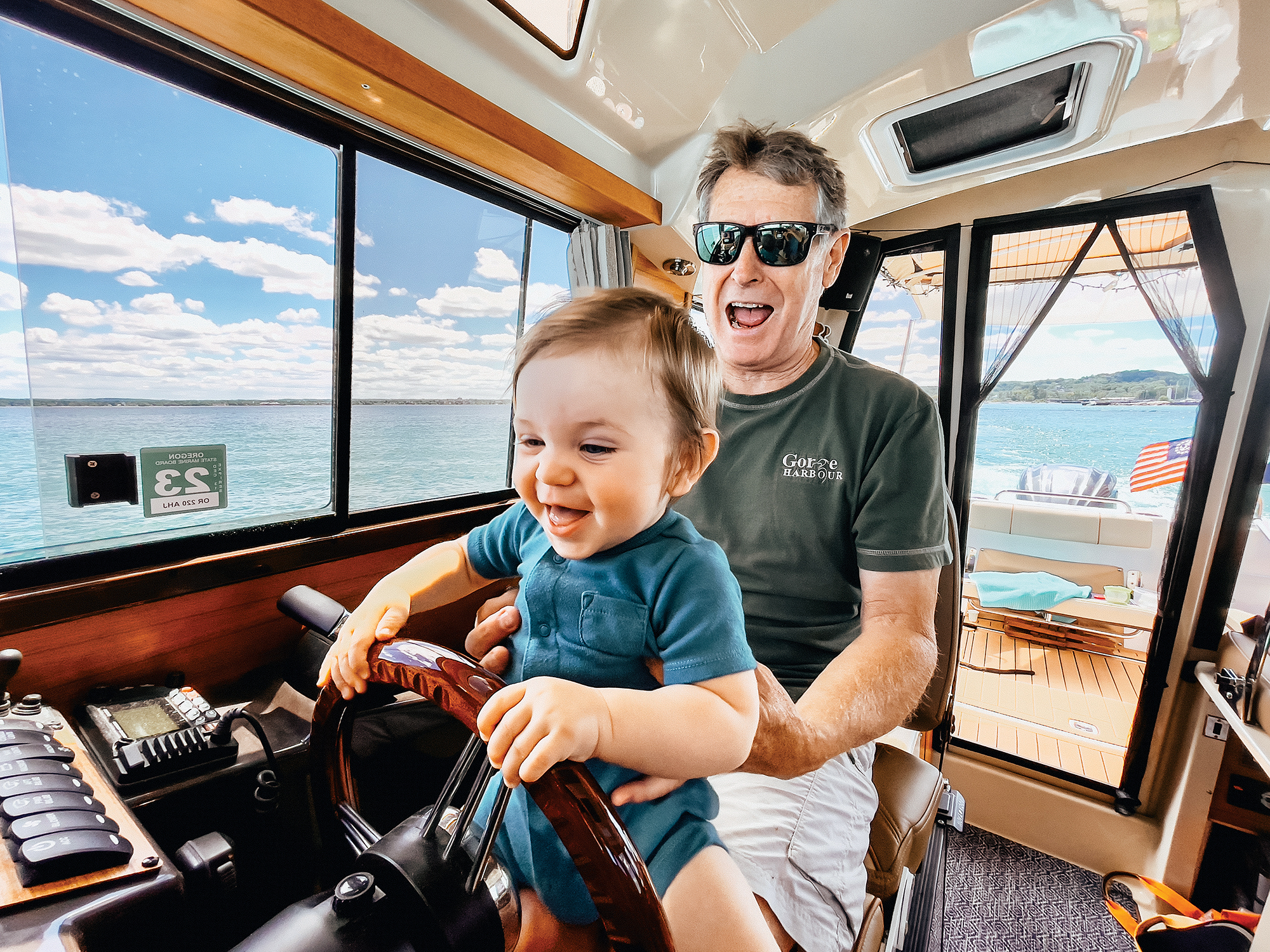
Prince William Sound may be their primary playground, but the trailer also opens access to other Alaskan waters. “If you want to go to Homer, which we do, you can put it on a trailer and be there in six hours instead of two or three days, if you were cruising,” explained Alderson.
The family abides by a checklist doctrine that includes the signal requirements of oversized trailer loads. “This new boat is 15,000 pounds; it’s no joke to tow. You got to be on your toes. This is why we use checklists,” said Alderson. “My family has a checklist and everyone has their job, so when we pull up to the staging [area], everybody gets out. My girls get involved and know what to do. We can do it pretty efficiently.”
Naturally, a trailer trawler requires an adequate towing vehicle. “Don’t skimp on your towing vehicle,” warned Alderson, suggesting beefy diesel trucks: “You want a minimum of a three-quarter-ton [truck] for towing a Ranger Tug.” The challenge is less the towing power and more the braking ability. “I tow with a one-ton Ford F350. It has exhaust brakes so if I’m going to Homer, I can engage them and I’m not burning up the trailer brakes going downhill.”
Mastering the art of running the boat onto the trailer is also a skill, especially when dealing with a Ranger Tug. “Learn how to run your boat up on the trailer under power because that makes it easier for a big boat,” said Alderson. “Not everybody is comfortable with that, but a 15,000-pound boat is a lot to crank by hand.”
The Aldersons’ most important pro tip to those considering the trailer-trawler life is to never hurry. “The worst thing in boating is to be in a hurry, because that’s when you make a mistake and something bad happens,” said Alderson. “Drive 55 (mph on the freeway). Don’t heat up your bearings and do all that. That’s a common thing that happens. Especially for these boats that are oversize loads.” Ultimately, the more unrushed, methodical preparation at home, the more enjoyment to be had on the freeway and, more importantly, on the water.
Alderson’s final tip is less about trailering and more about family cruising. “Don’t get Starlink, and know which coves don’t have cellular service,” he said of not spoiling the time away from home with technology. “We always try to pick our spots where the kids are disconnected. I don’t have to be the bad guy; it’s just a matter of where we are. Then we plug in as a family. We play games and do puzzles and all that kind of stuff.”
Michigan-Based, North America Bound
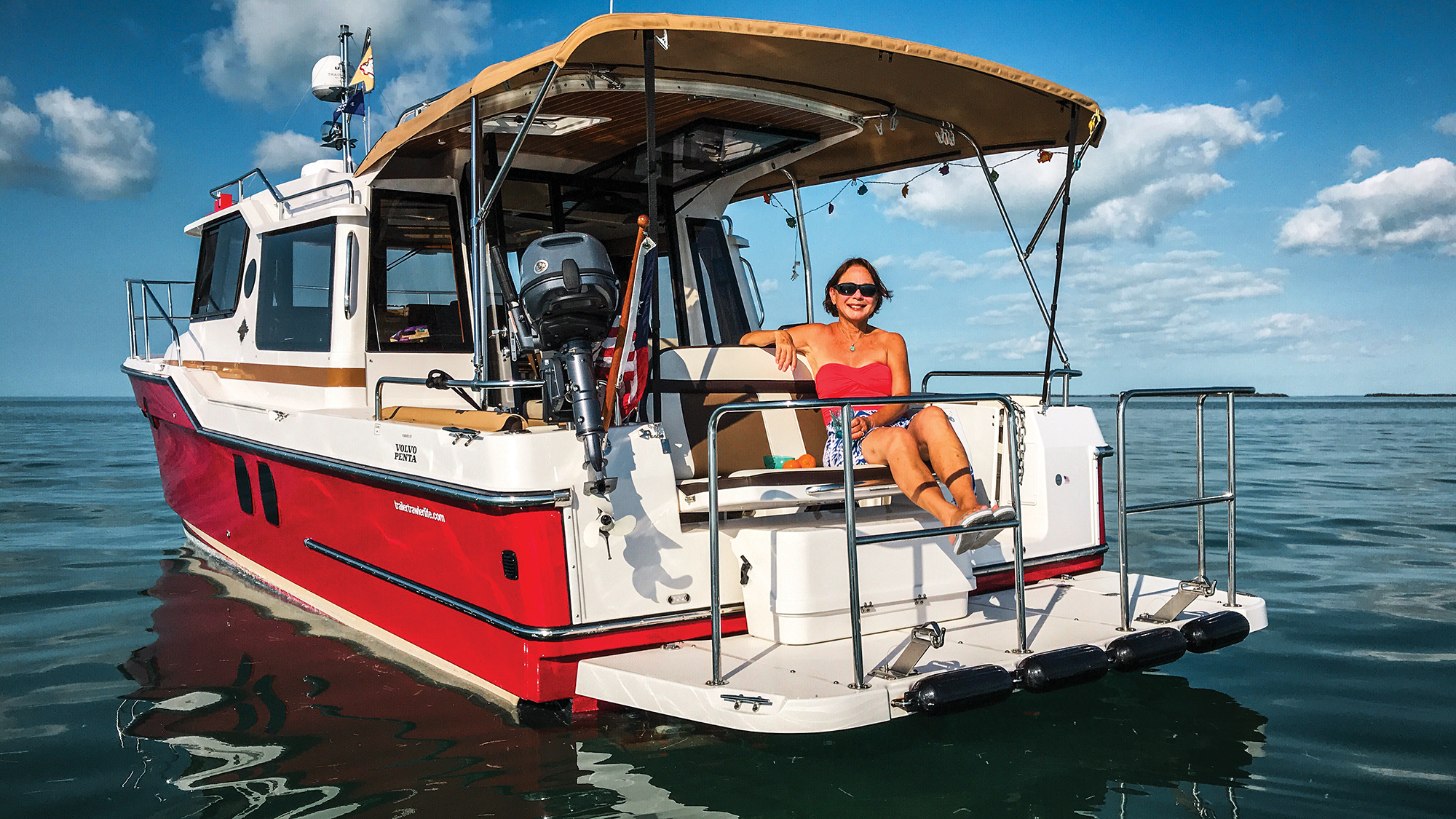
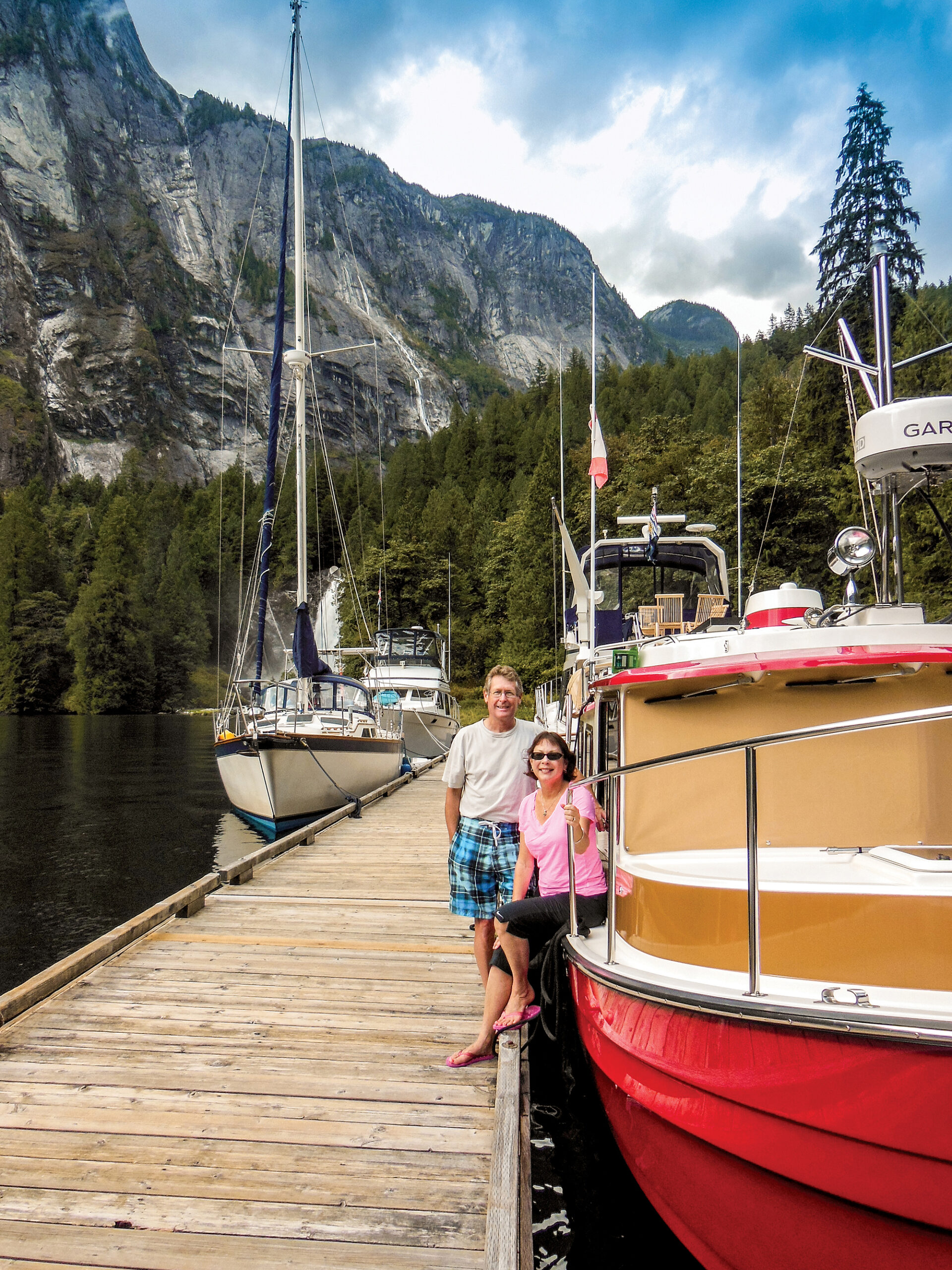
Jim and Lisa Favors are lifelong boaters who’ve racked up a number of cruising accomplishments over their 35-year marriage. Around 2010, after completing “one and two-thirds” Great Loops on Silvertons, they embraced the trailer with a Ranger 27. The couple have since covered a lot of water across three hulls, the others also Rangers—a 29 and now a 25.
“People always ask, ‘Why did you go from a 29 to a 25?’ We feel that we’re trying to make our life a little bit easier as we are maturing in age,” said Jim from aboard the couple’s Ranger 25, moored in Marathon as part of a Florida Keys trip. They regularly make the Michigan-to-Florida trailer run right after the holidays. “Easier from the standpoint of maintenance, trailering, packing, you know, things of that nature,” he offered. “So we’ve had this particular boat for the start of our fourth year.”
The Favors have documented many of their adventures on their website, trailertrawlerlife.com—a good resource for one and all, whether living or considering trailer-trawler life. They’ve been all over the place and published multiple books on the topic, including Trailer Trawler Life: Upside of Downsizing to a Trailerable Trawler. Their cruising experiences include Puget Sound’s San Juan Islands and the Broughton Archipelago of British Columbia, Nevada’s Lake Tahoe, Lake Powell (on the Colorado River) and Utah’s Flaming Gorge of the Green River. Naturally, they’ve also toured their native Great Lakes: Ontario’s North Channel, Mackinac Island and more. They’ve been up and down the ICW. The veteran Great Loopers combine their trailerable cruising capability with their earned knowledge as they continue to revisit their favorite locations along the route.
“We like the simplicity,” said Favors. “We were able to get into shallow anchorages where you couldn’t get the bigger boat. Usually, it’s easier to get into marinas. They can always seem to find place for a smaller boat.” Ancillary benefits include costs ranging from cheaper insurance to maintenance that can be done at home at their leisure versus the boatyard.
The couple has settled into an ideal yearly migration of sorts. They enjoy their Michigan house in the summertime while hitting the road with their trailered Ranger 25 for much of the rest of the year. Such a lifestyle wouldn’t be possible—or would be far more expensive with larger boat costs and regional charters—without a trailered approach.
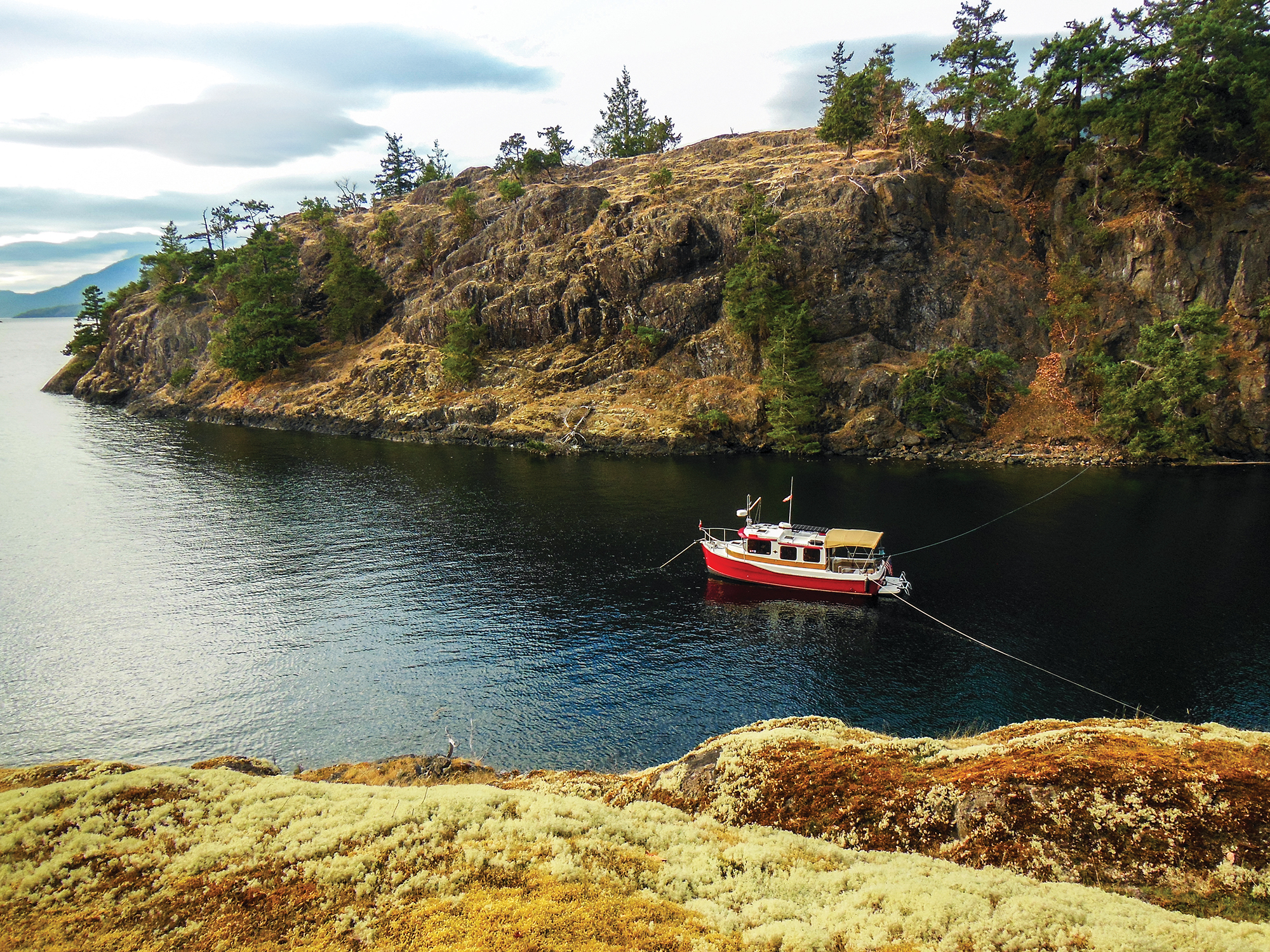
One obvious factor they want fellow dreamers to consider is that trailerable boats are restricted in size, therefore they offer less accommodations. Hosting overnight guests is a challenge, but there’s always space for the three grandkids. “They’ve all been on the boat with us since birth,” said Favors.
A tip to potential trailer-trawler converts from the Favors: Take advantage of boat shows during the research phase. “There are a lot of different boats out there in the trailerable size that can fit individual needs and desires … The boat show is the place to start. That way, you can get a feel for what’s out there, then you can start shopping a bit more in depth.”
Is Trailer Trawler Life right for you? Ultimately, the lifestyle’s perks seem to congeal into one: lifestyle maximization. The trailer can enable owners to tailor their ideal lives regardless of whether they seek remote ski slopes or warm waters with the grandkids. Perhaps the equation is really as simple as that. Boat trailerability equals life tailor-ability. For those to whom this equation applies, trailer-trawlering is the way to go.
This article originally appeared in the May 2025 issue of Power & Motoryacht magazine.