Photos by Dori Arrington
The slow pace of a Dutch canal boat brings life into a new perspective. At just a few knots, you begin to see the world not in blurs but in brushstrokes. The Netherlands, with its intricate lacework of inland waterways, offers a most elegant setting for travel, inviting you to experience a country not from its highways but from its heart.
For the cruising boater, the Netherlands is less a destination and more a revelation. Here, the sea has been shaped into canals, rivers, and lakes that stitch the countryside together with liquid thread. What sets this waterway network apart isn’t just its breadth, but the richness of what lies between the locks and under the low bridges—a string of small towns and villages that feel pulled from the pages of a storybook.
Unlike coastal cruising, where distances between harbors can stretch overnight, in the Dutch interior you’re rarely more than a few hours from the next dock, and almost never more than a moment from charm. Each day brings a new town, a new bakery, or a new café terrace with an invitation to linger. And in each town, a new conversation with someone who is just as curious about you as you are about them.
• • •
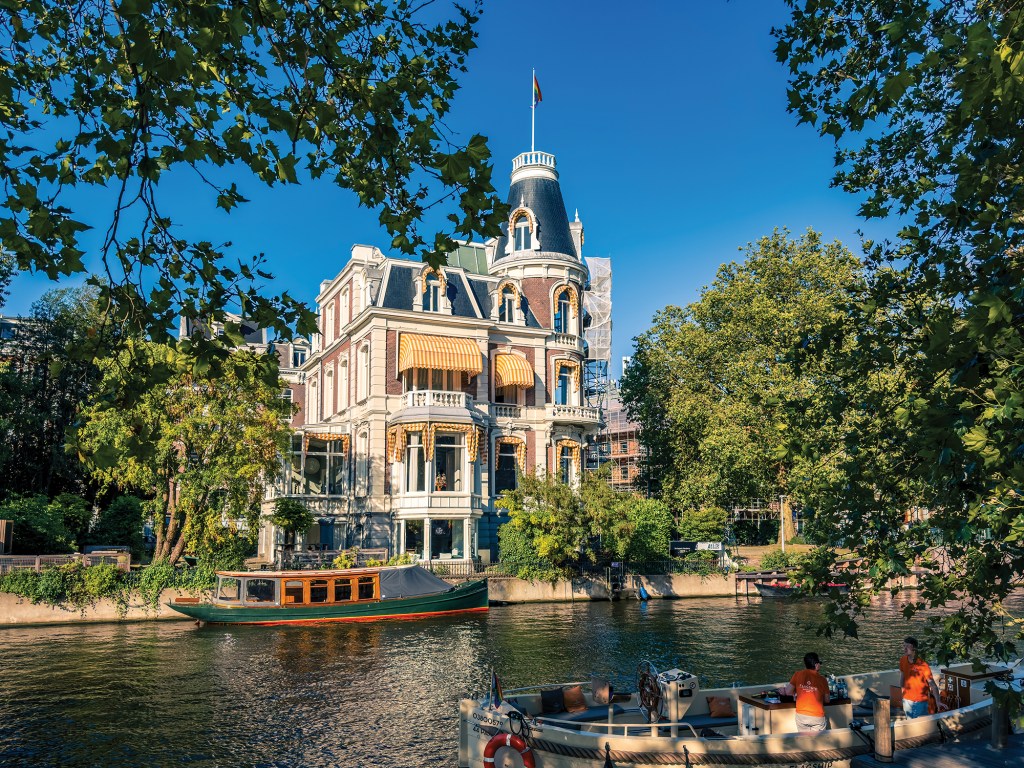
A logical place to begin your journey is Amsterdam. Far from being the quaint villages you will enjoy for most of your trip, it is likely where you will arrive into the country and it’s a good place to provision and prepare. Whether at the beginning or the end of your cruise, take time to see—no, better yet, take time to experience—Amsterdam. It is a feast for the senses from the unique old working craft that line the canals as floating homes to the stately 500-year-old townhomes and world-class museums. Amsterdam is a melting pot of world cultures that’s been simmering for over 700 years.
From the outskirts of Amsterdam, where you will board your boat, it is easy to trace a loose arc through the provinces of Friesland, Gelderland, and North Brabant. You don’t need to chase a rigid itinerary here, just let the canals guide you. The country is built to be seen from the water, and the towns welcome boats like long-lost friends.
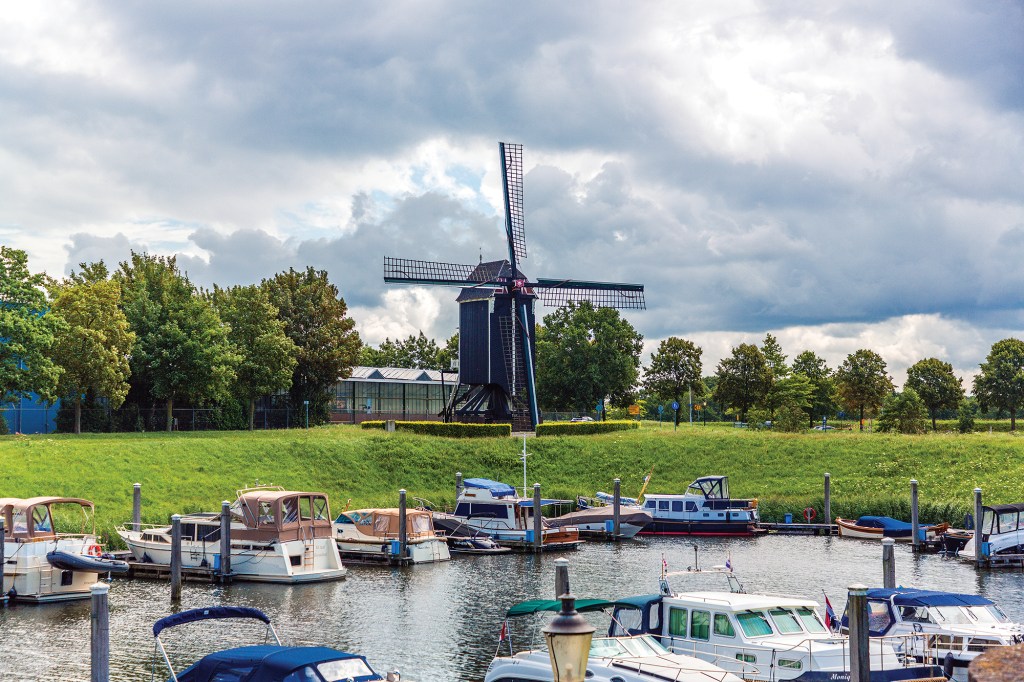
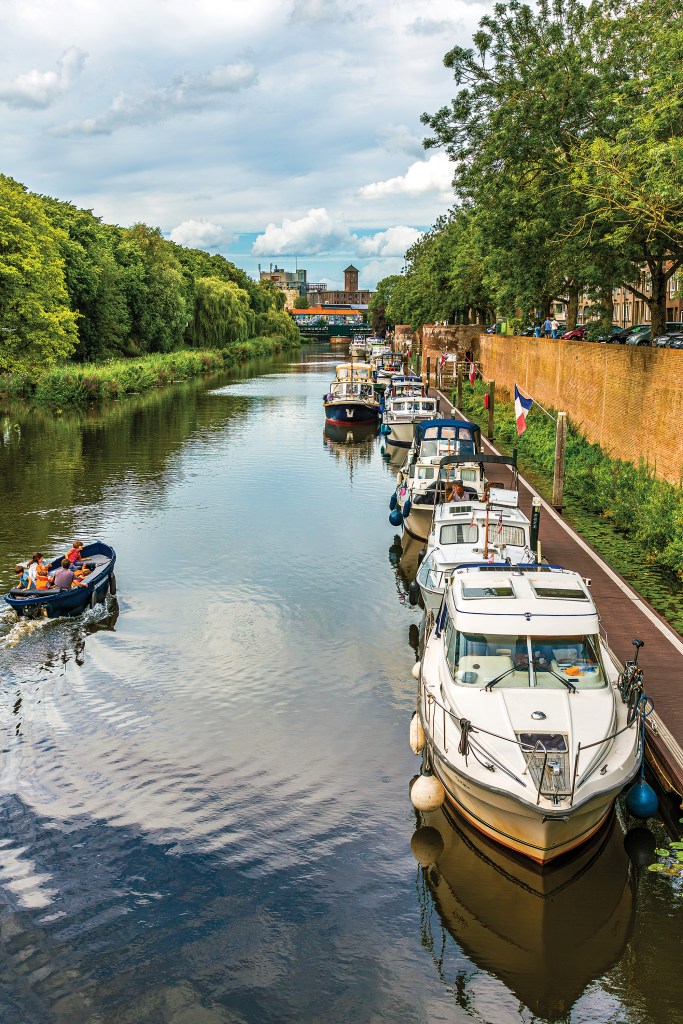
Berths are easy to come by in municipal harbors with full facilities; others could be along grassy town walls where you could be joined by children fishing and locals strolling by with baskets of bread. It’s not uncommon for locals to be curious, asking where you’re from and where you’re going. This will occur in town after town. The Dutch have a profound respect for water, and boats are treated not as novelties but as integral elements of daily life. You won’t just see the country this way—you will become part of it, however briefly.
• • •
Among the many towns that will capture your heart is “‘s-Hertogenbosch”—thankfully shortened to “Den Bosch.” This picturesque village looks like a Vermeer painting hung at eye level. Located in the province of North Brabant, Den Bosch is known for its medieval fortifications, deep history, and its most famous son—the surrealist painter Hieronymus Bosch.
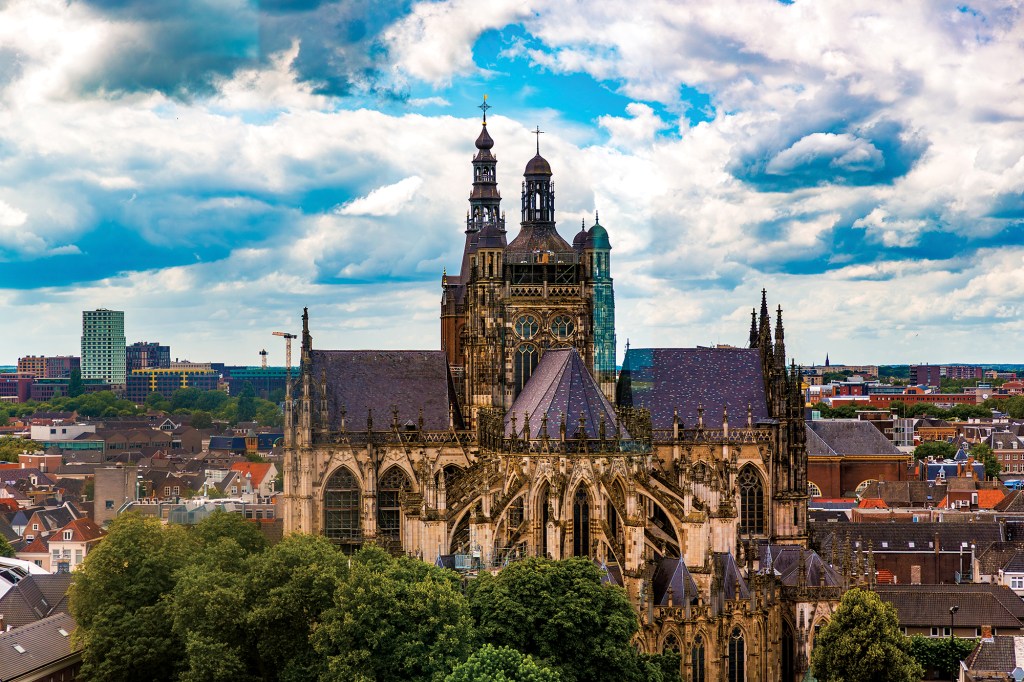
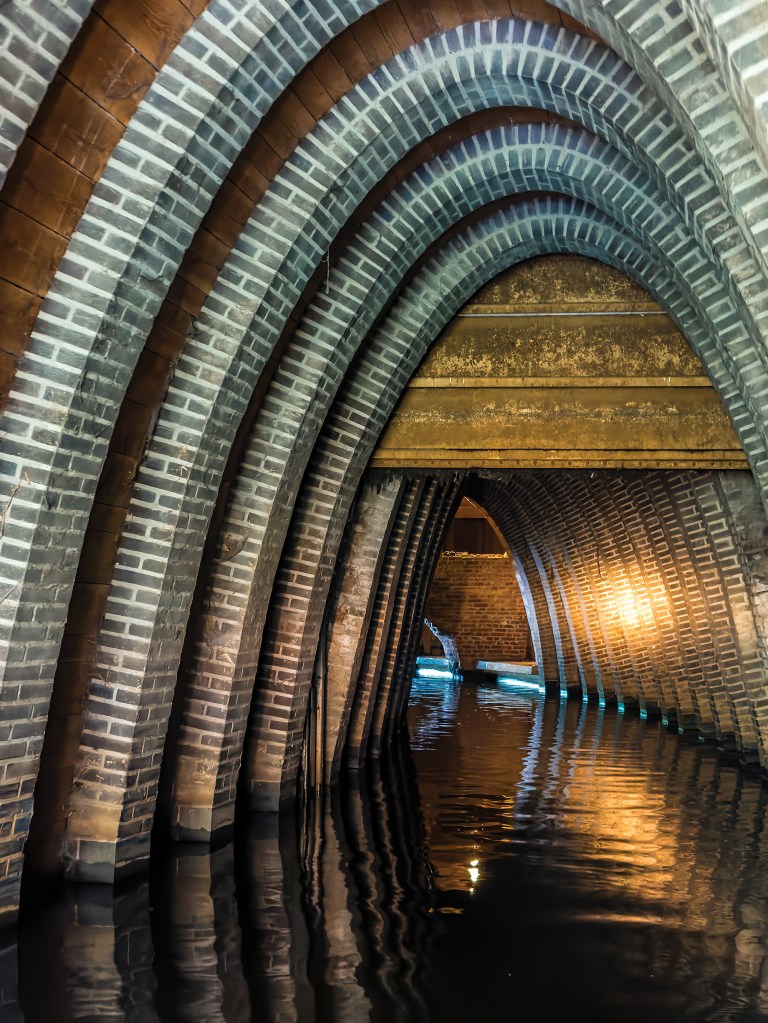
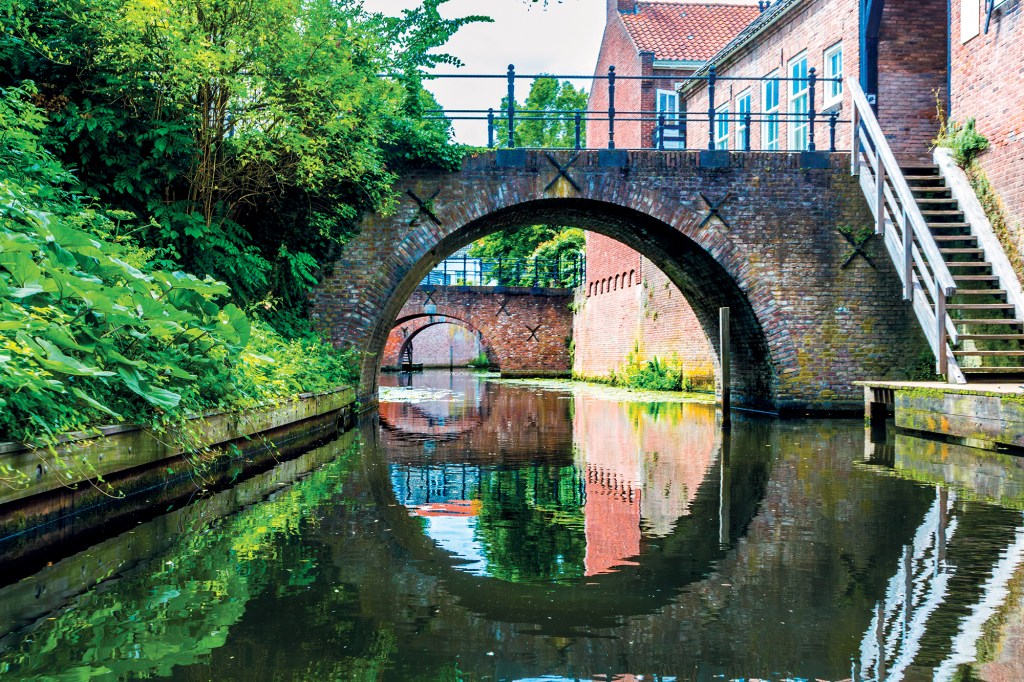
But what makes Den Bosch unforgettable for the canal cruiser is the Binnendieze—a labyrinth of narrow watercourses that snake beneath the city’s old town. These canals, hidden below street level, once carried goods and waste but now ferry tour boats beneath stone arches and through mossy vaults.
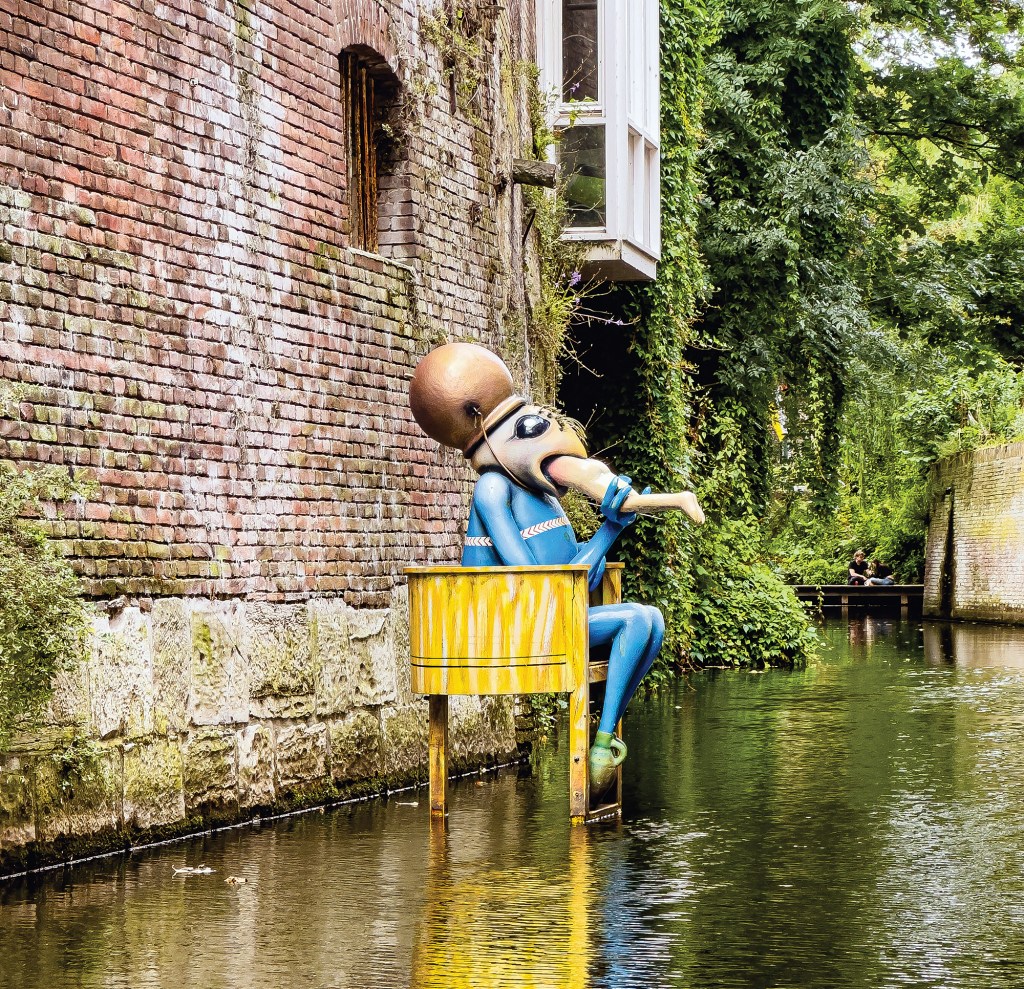
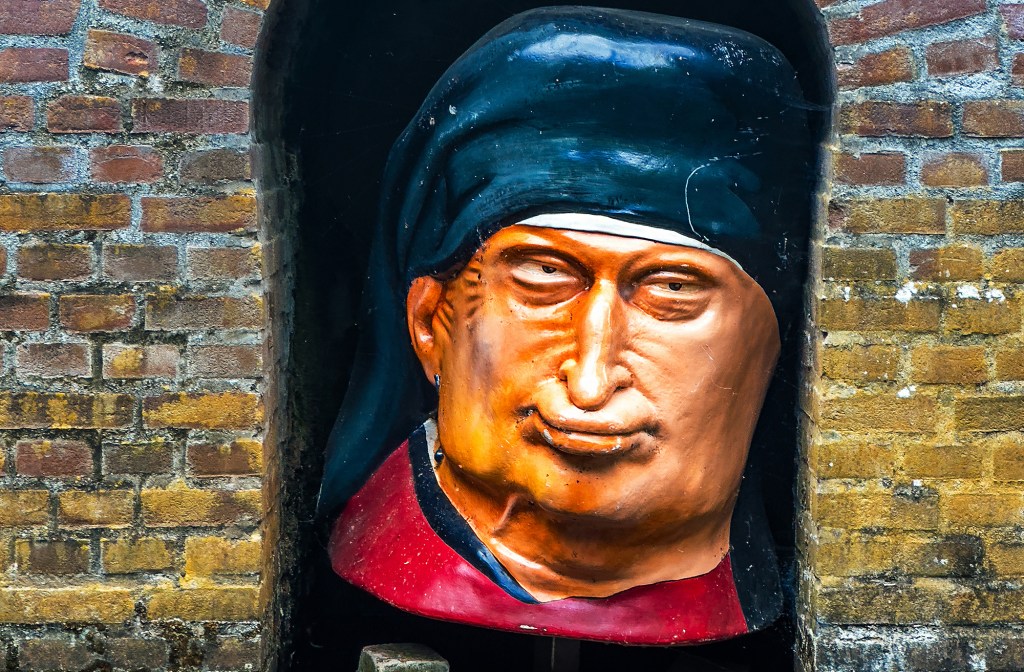
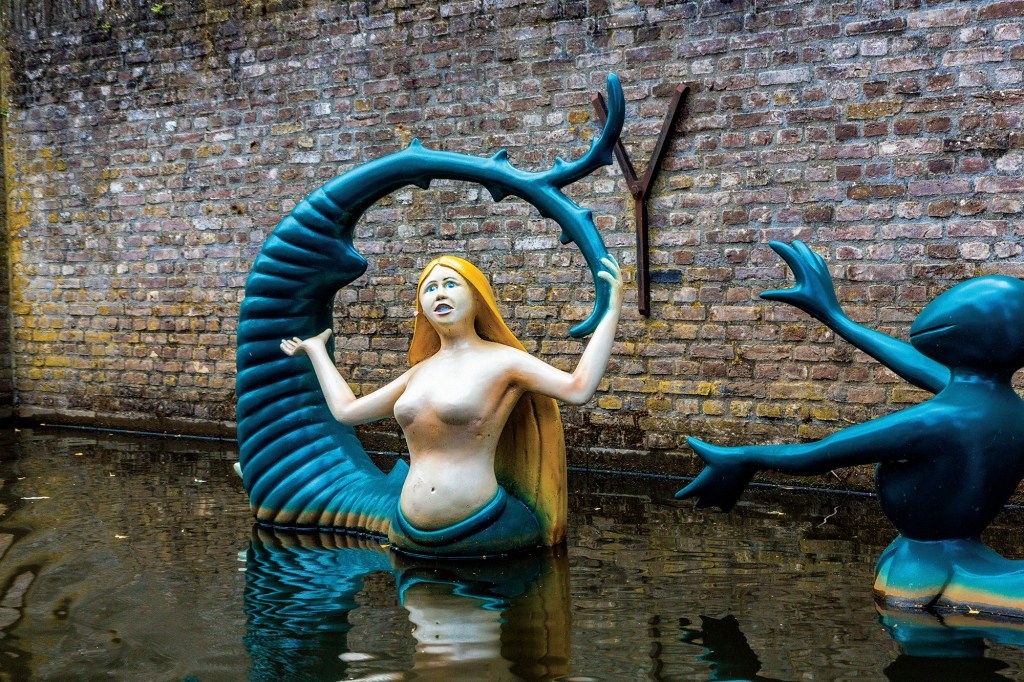
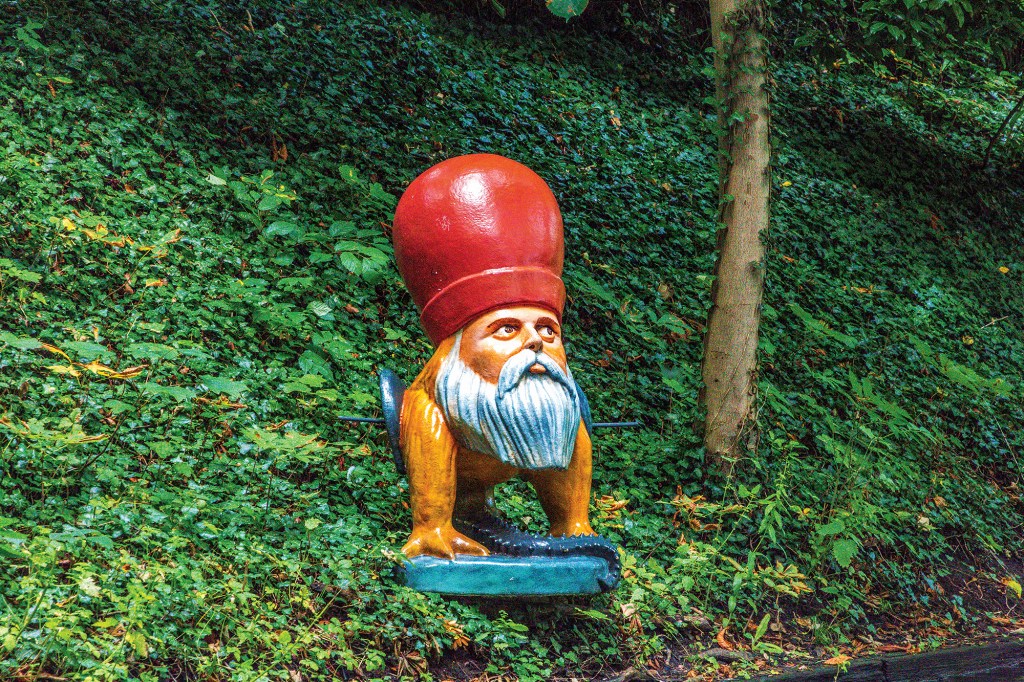
Characters from Bosch’s wild imagination are spread throughout the canals, revealing themselves like turning the pages of a storybook. Taking a guided ride through these shadowed arteries feels like drifting through the city’s subconscious. After emerging into the sunlight again, you can explore the central market square, where the smell of smoked eel drifts from a stall near the cathedral. Vendors will happily offer samples, sliced thin and still warm—not everyone’s flavor, to be sure, but unmistakably local, like much of the Dutch experience.
• • •
Not all towns in the Netherlands cling to tradition. Near the city of Den Bosch lies the neighborhood of Bolwoningen—a housing development that looks as though it were plucked from the dreams of a science fiction illustrator. The name means “ball dwellings,” and that’s exactly what they are: white concrete spheres perched on narrow stalks, each a small circular house with porthole windows.
Designed in the 1980s as an experimental housing project, Bolwoningen isn’t a tourist stop per se, but reaching it by boat offers a subtle reward. After tying up nearby, you can walk a short distance to stand among the orb-like structures in quiet awe. It is a reminder that the Netherlands isn’t just the land of windmills and tulips. It’s also a country that embraces imagination, often found just around the next bend in the canal.
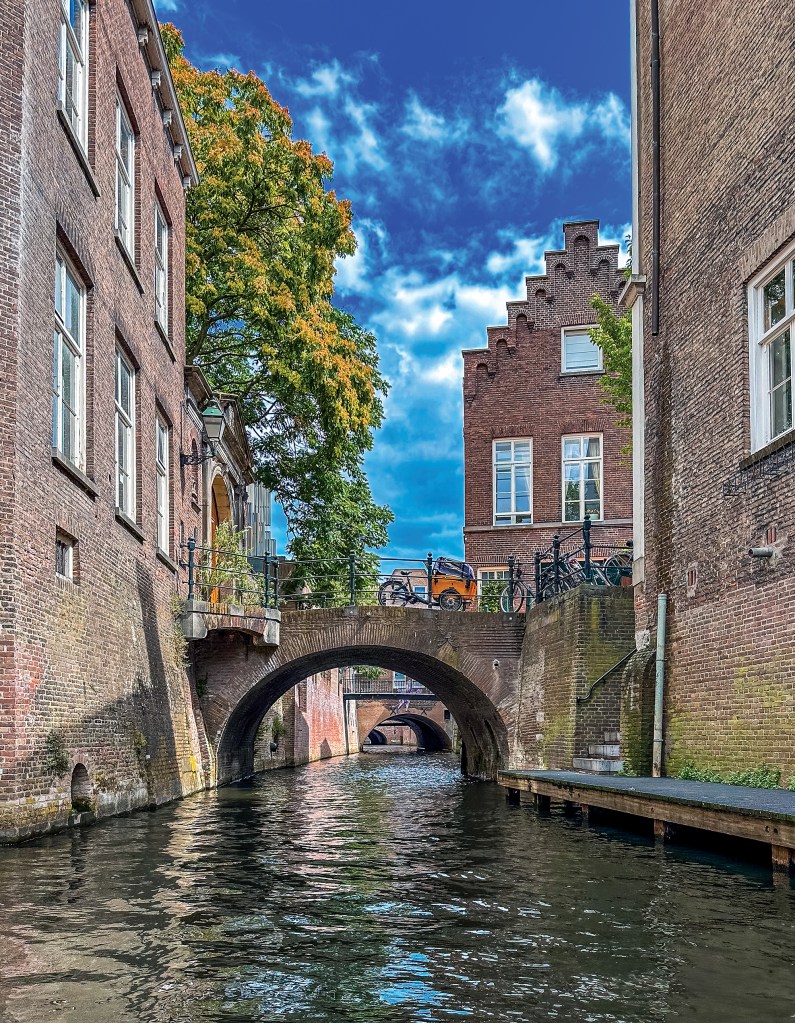
Each town offers its own unique moments. In Heusden, a star-shaped fortress town, you can dock beside 17th-century walls and walk through cobblestone streets restored to their Golden Age glory. In Gorinchem, you will find a harbor nestled inside a town’s old ramparts, where you can linger in the market alive with music, cheese, and the sound of three languages at once.
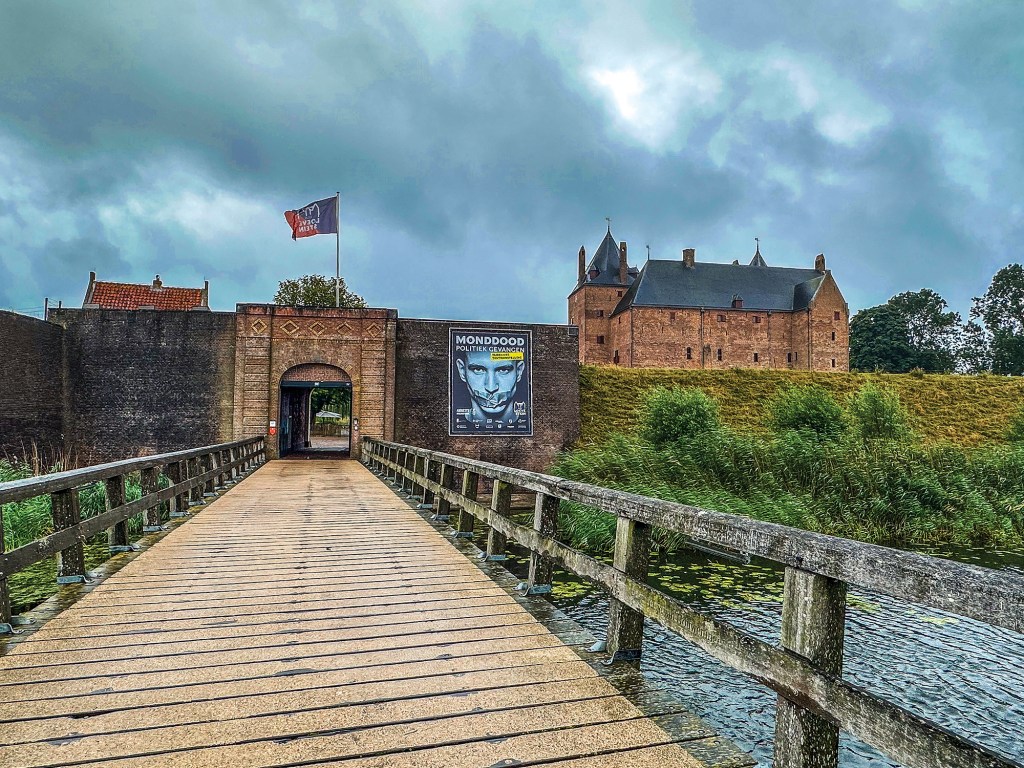
Around every bend seems to be another postcard picture or a window on the past. Across the river from Gorinchem, in 1358, Dirc Loef van Horne chose a raised piece of land to build his castle at the confluence of the Maas and Waal rivers. Today, the Loevestein Castle stands as impressive and imposing as the day it was completed over 600 years ago.
In any one of these towns, you could easily share a lock with cruisers from around the world, all eager to impart knowledge, or a glass of wine. It is this casual diplomacy of boaters that gives the Dutch canals much of their character. The water may be Dutch, but the people you meet along the way could come from anywhere—France, Germany, Sweden, Australia. Some are seasonal cruisers, others live aboard full-time. Some are solo travelers, others are families with toddlers and dogs in life jackets. But all share a willingness to slow down, to drift, to discover.
• • •
What makes this journey possible is the remarkable infrastructure. The Netherlands is uniquely designed for water travel, with nearly 4,000 miles of navigable waterways. Locks and bridges are well marked and efficiently operated, often by cheerful attendants who seem as pleased to see a foreign-flagged boat as we are to see them. And almost every town, large or small, has a guest harbor, or at the very least a dock with a power pedestal and fresh water.
Weather also cooperates more often than not. Summers are mild, with long daylight hours that last until 10 or 11 at night. The biggest challenge isn’t finding a place to stay, it’s choosing which charming village to stop in. You could cruise these canals for months and still leave wondering what you missed. A turn not taken. A town not explored. A conversation that began with: “Where are you from?” and ended with an invitation to dinner.
• • •
Without even noticing, you will slip into the rhythms of the country; early to rise, travel by noon, wander and explore in the golden afternoon light. You will learn to trust the mooring bollards and the advice of dock neighbors. You will learn the value of always keeping a baguette and some good cheese on board, because the best lunch spot is often right up there on the bow.
And you will learn that the best memories aren’t always grand ones. They will be the quiet mornings tied to the quay with coffee in hand as the town stirs awake. The ding of bicycle bells in the street. The shared nods of passing boaters, each on their own journey but joined by water.
To cruise the canals of the Netherlands is to become a temporary citizen of a floating village, your neighbors constantly changing, but the current of connection running strong. It is travel made intimate. The kind that doesn’t just take you to new places; it lets those places take hold of you.
This article originally appeared in the March 2026 issue of Power & Motoryacht magazine.