How to Use Electronic Charts
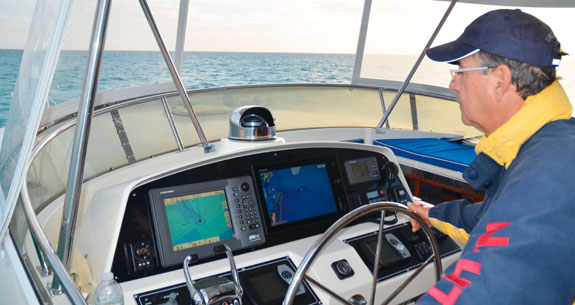
Electronic charts are great, no doubt. But the second you start thinking they’re foolproof is the second you’re in trouble.

Electronic charts are great, no doubt. But the second you start thinking they’re foolproof is the second you’re in trouble.
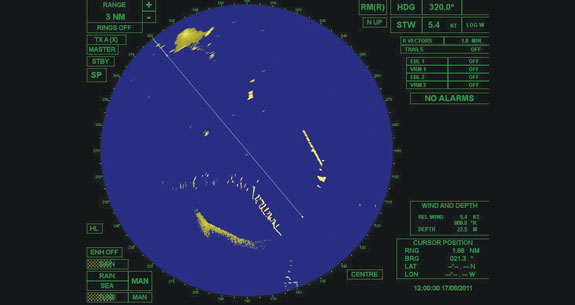
The Vestas Wind debacle raises points about maximizing your radar picture.
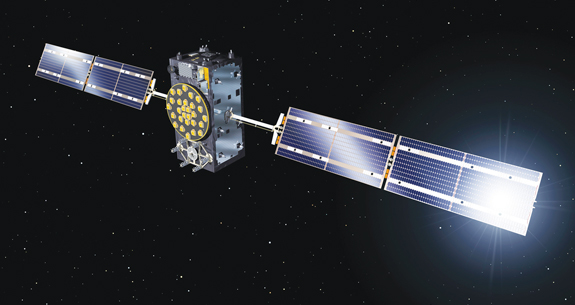
Your boat may be about to benefit from a worldwide competition to provide the best satellite navigation signals. Read all about it here.

If you are using a GPS, MFD, or cell phone that is less than a year or two old, there is a pretty good chance that you may be using Glonass as well as GPS without realizing it.
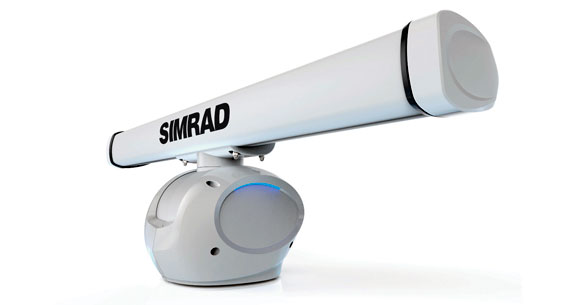
With the introduction of Simrad’s open-array Halo radar, boaters get solid-state technology combined with a smart user interface.
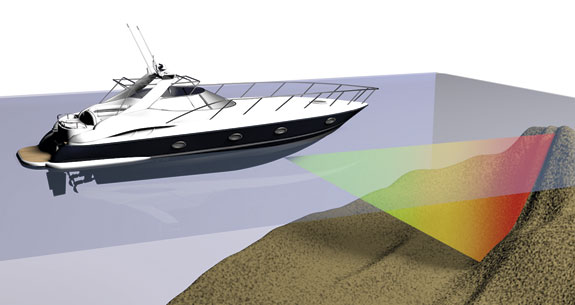
The best way to keep your hull from getting dinged—or worse—is to simply avoid obstructions. But that’s not always as easy as it sounds. To find out some ways electronics are making your path a bit clearer read this.
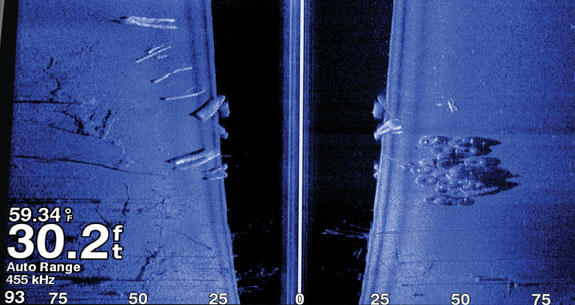
Sidescanning sonar is a tremendous tool to understand what’s under your boat. Check out these videos that will help improve your comprehension of what the images are showing.
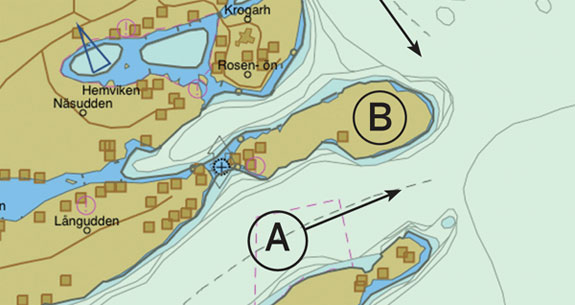
You know that AIS helps you avoid collisions, but you may be surprised at exactly how it works. Read this to find out more.
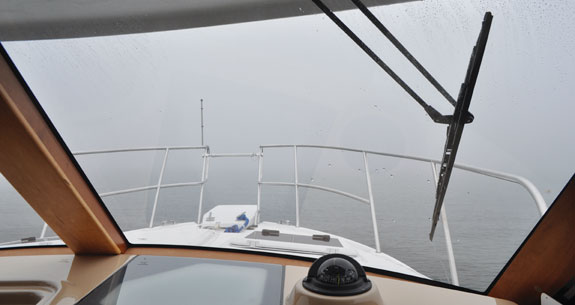
How you can beat fog by using your electronics
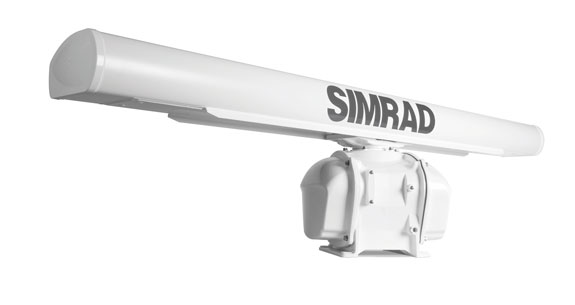
Simrad is introducing a new radar system compatible with all Simrad multifunction displays.
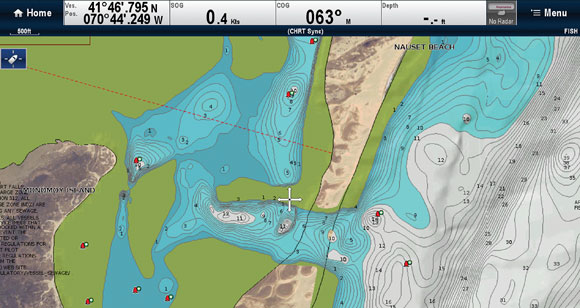
These are heady times for marine-navigation systems. New technologies are making it possible to share information with fellow boaters faster and more easily than ever before, making charts incredibly accurate. Read here to find out how you can get involved.
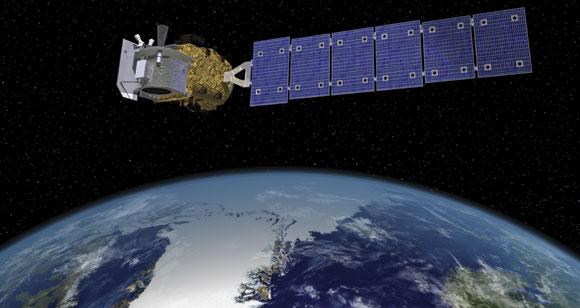
Why GPS could be more dangerous than you think
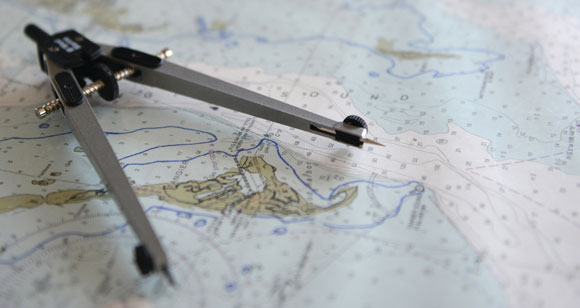
Are paper charts a thing of the past?
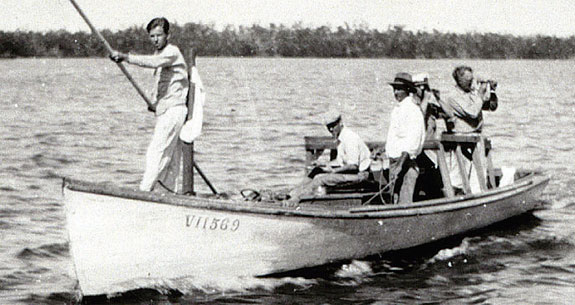
If you’ve ever followed the magenta line down the ICW you know a little local knowledge will go a long way to keeping you out of trouble. But does that mean we’ll be better off without the line as NOAA is exploring the possibility of its demise? Read all about what could happen and what it may mean to you here.
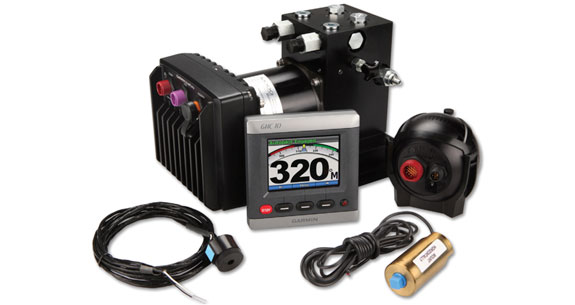
What’s new in autopilot technology.
Electronic charts are great, no doubt. But the second you start thinking they’re foolproof is the second you’re in trouble.
The Vestas Wind debacle raises points about maximizing your radar picture.
Your boat may be about to benefit from a worldwide competition to provide the best satellite navigation signals. Read all about it here.
If you are using a GPS, MFD, or cell phone that is less than a year or two old, there is a pretty good chance that you may be using Glonass as well as GPS without realizing it.
With the introduction of Simrad’s open-array Halo radar, boaters get solid-state technology combined with a smart user interface.
The best way to keep your hull from getting dinged—or worse—is to simply avoid obstructions. But that’s not always as easy as it sounds. To find out some ways electronics are making your path a bit clearer read this.
Sidescanning sonar is a tremendous tool to understand what’s under your boat. Check out these videos that will help improve your comprehension of what the images are showing.
You know that AIS helps you avoid collisions, but you may be surprised at exactly how it works. Read this to find out more.
How you can beat fog by using your electronics
Simrad is introducing a new radar system compatible with all Simrad multifunction displays.
These are heady times for marine-navigation systems. New technologies are making it possible to share information with fellow boaters faster and more easily than ever before, making charts incredibly accurate. Read here to find out how you can get involved.
Why GPS could be more dangerous than you think
Are paper charts a thing of the past?
If you’ve ever followed the magenta line down the ICW you know a little local knowledge will go a long way to keeping you out of trouble. But does that mean we’ll be better off without the line as NOAA is exploring the possibility of its demise? Read all about what could happen and what it may mean to you here.
What’s new in autopilot technology.