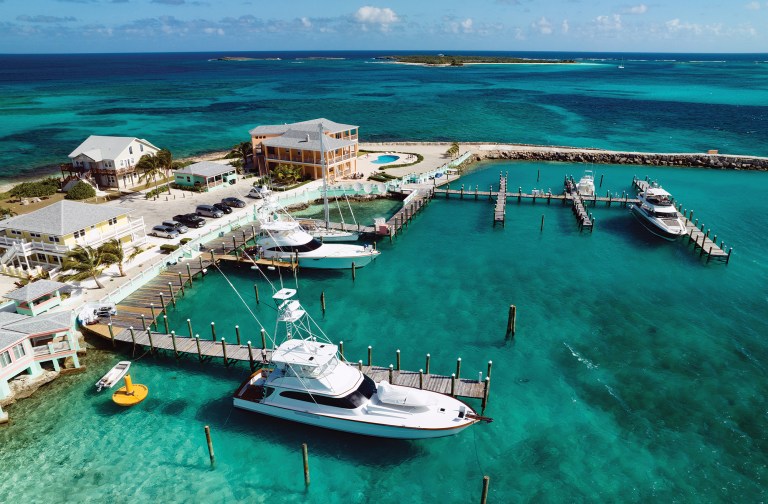
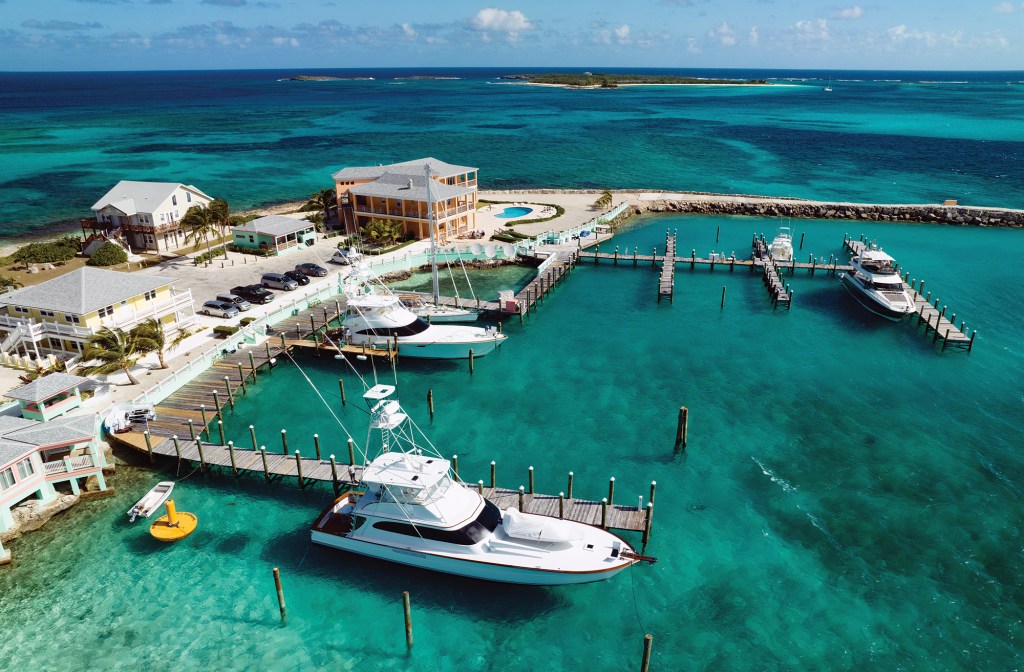
Separated from South Florida by only 50 nautical miles at the closest point, The Bahamas is a natural—and spectacular—cruising destination for U.S. boaters. Many boat owners love the islands so much they make the Gulf Stream crossing multiple times each year—even in open boats under 25 feet, when conditions permit. Motoryacht and sailboat owners frequently spend the winter months island-hopping through the Abacos or Exumas chains. But dramatic changes to The Bahamas’ foreign-pleasure-boat cruising permit fees that took effect on July 1, 2025, followed by a sudden reversal on April 1, 2026—along with a high tax on some charter vacations—have confused and alienated many American boaters.
If you are planning to take your boat to The Bahamas this winter, the good news is that currently there is a more reasonable and flexible cruising permit fee schedule in place. But it is still important to plan in advance, stay abreast of potentially changing rates, and evaluate which permit category works best for you, depending on the size of your boat and the number of visits you intend to make. And if you plan to cruise to The Bahamas and back frequently, the 2-Year Frequent Digital Cruising Card (FDCC), which allows unlimited entries throughout the duration of the permit, may be well worth the investment.
Blindsided Boaters
In July 2025, the Bahamian government put a new foreign-pleasure-boat cruising permit fee schedule into place with the enactment of the Port Authorities (Amendment) Bill 2025. That bill blindsided visiting U.S. boaters by raising some fees and offering only 12-month permits, eliminating shorter temporary permit categories that had helped to keep rates down. Foreign boaters were also required to pay an anchorage fee in addition to their cruising permit fee—even if they docked in marinas the entire time they were in the islands.
Some Bahamas regulars decided to go ahead and pay the new fees. “For us in the Abacos, the impact was not as significant—even last winter our bookings were still strong,” said Brent Ingraham, director of sales & marketing at Abaco Beach Resort & Boat Harbour.
Yet other U.S. boaters chose to boycott The Bahamas and cruise in the Florida Keys, the Gulf, or the Caribbean. “It really upset a lot of loyal, long-term Bahamas-supporting boaters,” said Stephen Kappeler, managing director of The Bimini Big Game Club Resort & Marina. “These guys, they keep coming—it’s generational, I feel. The first impact of raising the fees was, ‘Well, I’m just not coming back.’” “They are slowly coming back, but,” he said, “it left them angry enough that they’re not doing anything hastily.”
Then, on April 1, 2026, the Bahamian government suddenly reverted to a cruising-permit fee structure that offers more affordable options and greater flexibility for small- to medium-sized boats and infrequent visitors. Anchorage fees also were waived for boats that patronize marinas.
“The marinas think the new lower cruising permit fees effective April 2026 are the government’s effort to reverse the sharp decline in visiting yachts following the last 3 years of controversial increases,” said Peter Maury, director and founder of the Association of Bahamas Marinas (ABM). “While these adjustments have been welcomed by Bahamian marinas and businesses as a positive step toward recovery, we hope it is enough to encourage our boaters to return to The Bahamas.”
April Fools’ Joke
When the new cruising fee schedule was enacted this spring, “They did it on April Fools’ Day, and everyone thought it was a joke,” said YouTuber Brandon Gross—whom we profiled in November 2025. He had just returned from a 6-day, 400-mile trip from Miami to Bimini and Freeport, Grand Bahama, and back in his 22-foot Grady-White center console. When he made the crossing in late March, all non-Bahamian boats under 50 feet in length were required to purchase a 12-month cruising permit for $500 and pay a $200 anchorage fee.
If Gross had waited a mere 9 days to take that trip, he would have been able to purchase the temporary 30-day cruising permit for boats under 30 feet for $150 and no anchorage fee.
No refunds were forthcoming from the Bahamian government. “I’ve seen some posts just laughing about people asking for refunds, saying there’s zero chance that’ll ever happen,” he said.
Charter tax controversy
Since 2022, The Bahamas has charged a 14% tax—comprising a 4 percent port tax and a 10 percent VAT—on the base price of charters conducted on foreign-flagged vessels in Bahamian waters. The new regulations introduced by the Bahamian government on April 1st included stricter regulations for charter vessels, including a requirement that they be equipped with AIS, but did not lower the tax.
“There is still the obvious lack of attention to the burdensome 14-percent charter tax, which is the highest in the Caribbean and continues to drive away charter business, which helps to support the Bahamian economy in the hospitality sector throughout our Family Islands,” Maury said, reporting an overall 40-percent drop in charter bookings in The Bahamas.
“It’s been concerning because we are seeing yacht owners who ordinarily would be offering their boats for charter in The Bahamas taking them to other destinations where there is no 14-percent tax, like the Florida Keys or the Caribbean, instead,” said Jeff Shaffer, charter management director at Superyacht Sales and Charter, LLC. “I am a big supporter of The Bahamas—the islands are beautiful cruising grounds and the Bahamians are wonderful people. The marinas there are hurting from the lack of charter yacht business and that trickles down to locals like dock workers and provisioners. I want to know how we can get that business back.”
Bahamian marine businesses and associations like the ABM continue to appeal to the government to reduce the charter tax. In the meantime, the country’s sparkling-clear, turquoise waters, uncrowded sandy beaches, laid-back vibe, and abundant fishing resources ensure that many U.S. boaters will continue to cruise there no matter what.
Bahamas Cruising Permit and Charter Fees
30-Day Temporary Cruising Permit
• Not exceeding 30’: $150
• Exceeding 30’ but not over 50’: $250
• Exceeding 50’ but not over 100’: $350
• Exceeding 100’ in length: $600
No free re-entries during duration of permit.
6-Month Temporary Cruising Permit
• Not exceeding 50’: $300
• Exceeding 50’ but not over 100’: $750
• Exceeding 100’: $2,000
1 free re-entry during duration of permit.
12-Month Temporary Cruising Permit
• Not exceeding 50’: $500
• Exceeding 50’ but not exceeding 100’: $1,000
• Exceeding 100’: $3,000
2 free re-entries during duration of permit.
2-Year Frequent Digital Cruising Card (FDCC) for Pleasure Vessels
• Not exceeding 50’: $1,500
• Exceeding 50’ but not exceeding 100’: $2,500
• Exceeding 100’: $8,000
Unlimited free re-entries during duration of permit.
You can purchase an FDCC via the Click2Clear website or the Go Outdoors Bahamas website or app.
Bahamas Anchorage Permit Fees
30-day Permit
• Up to 30’: $50
• 31’ to 100’: $100
• Over 100’: $200
6-Month Permit
• Up to 30’: $150
• 31’ to 100’: $250
• Over 100’: $1,000
12-Month permit
• Up to 30’: $200
• 31’ to 100’: $350
• Over 100’: $1500
As of April 1, 2026, boats docking in marinas are no longer required to pay anchorage fees.
Bahamas Fishing Permits (as of April 1, 2026)
Foreign pleasure vessel sport fishing permit fees:
• Not exceeding 50’—$100
• 50’ and over—$300
While sport fishing permit fees did not change on April 1, they now must be purchased separately from the cruising permit and must be renewed every 30 days, even if you hold a 12-month cruising permit. Anglers age 12 and over who plan to go flats fishing or fish from shore in also must purchase a personal fishing license.
This article originally appeared in the October 2026 issue of Power & Motoryacht magazine.