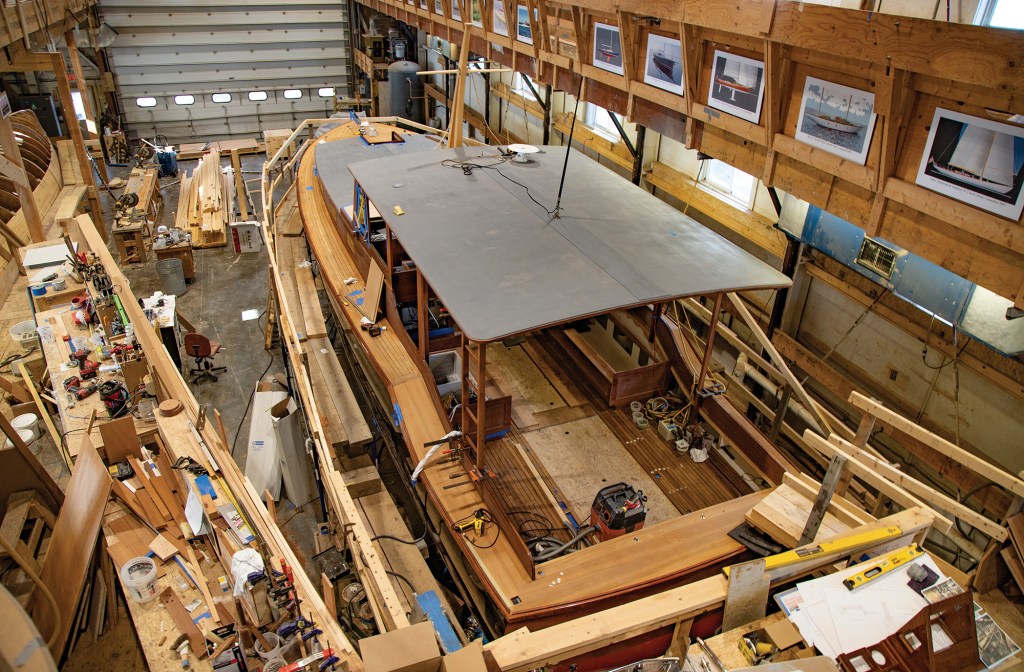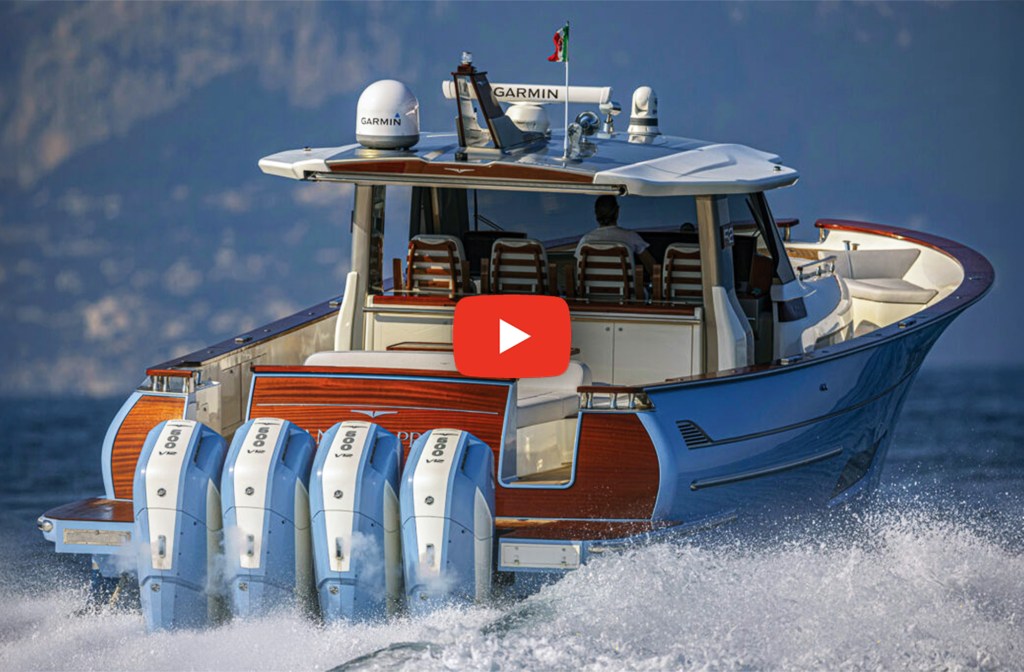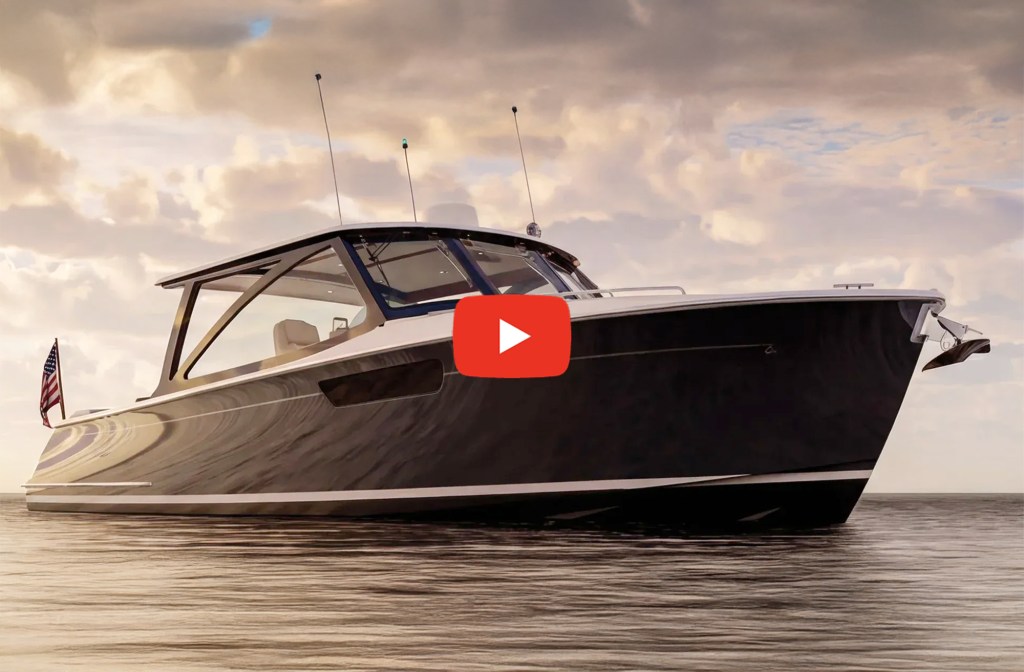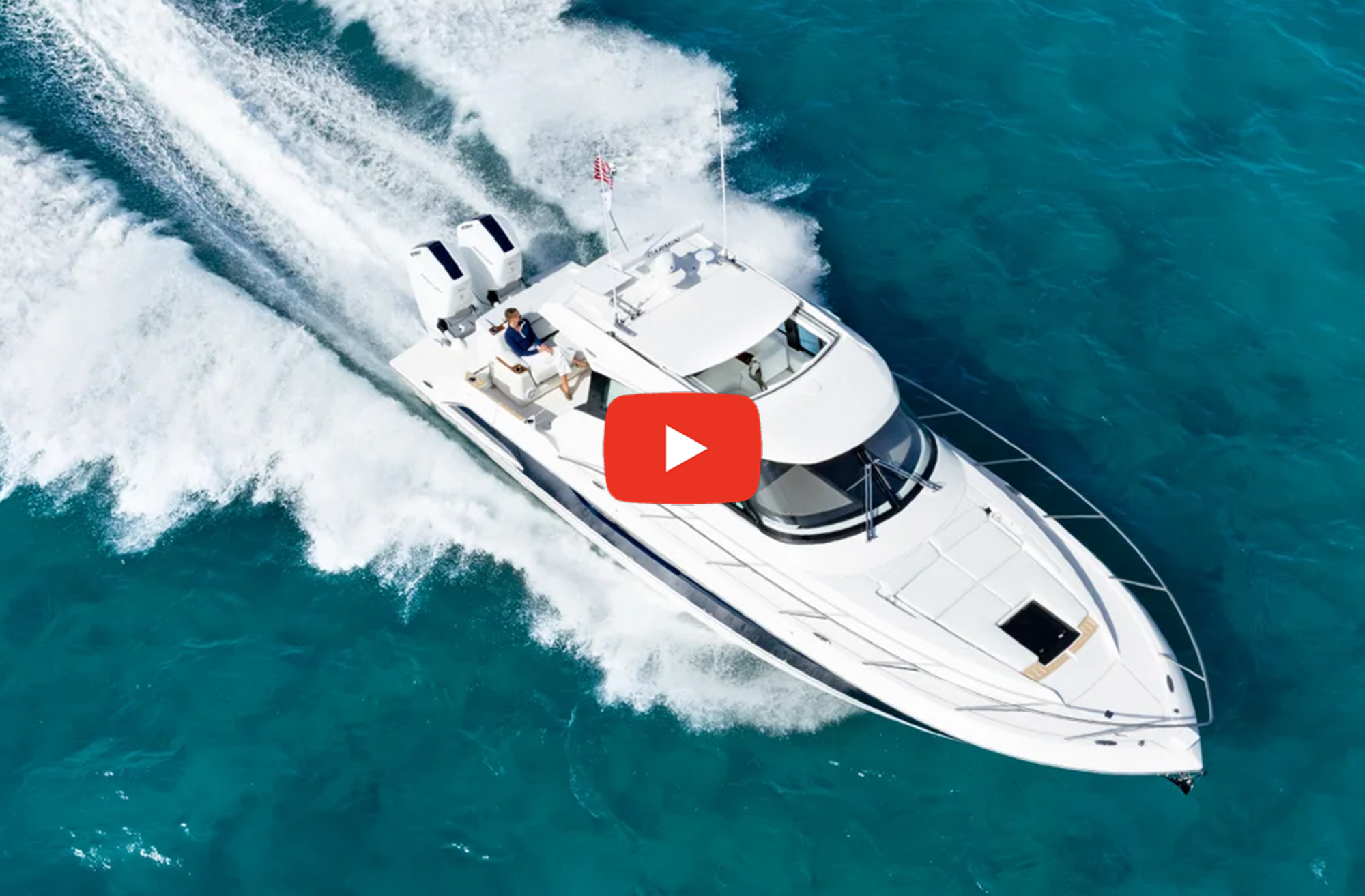
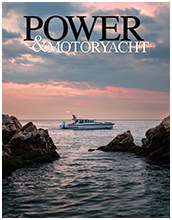
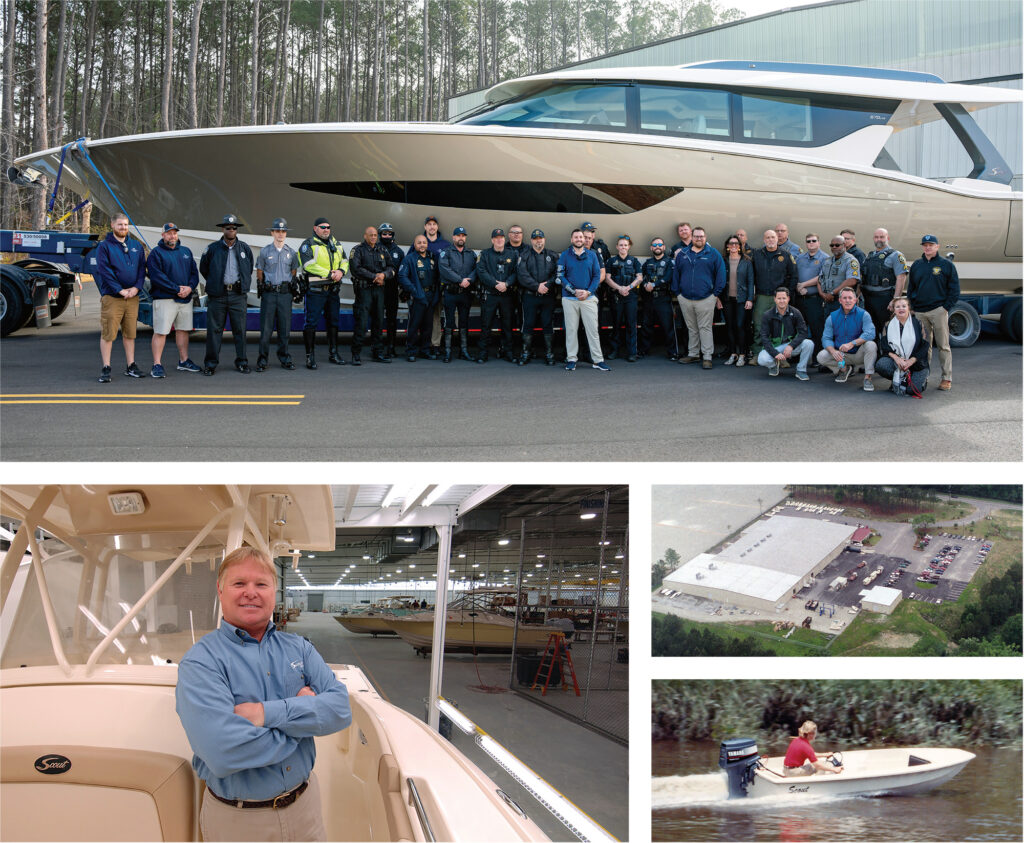
On February 5, 2025, Scout Boats founder and president Steve Potts and his family watched anxiously as the largest outboard-powered yacht ever built was lowered from a mammoth trailer onto the waters of a Charleston marina. That 67-foot flagship, dubbed “Project Everest,” was a crowning achievement for Potts, his family and his company. We’ve documented the 670 odyssey over the past few years, but in the just-released Advantage-Forbes book Boat Boy, Steve Potts dives deep into his own history, his utter obsession with boats, and what it’s taken to grow from a tiny, hurricane-damaged shop back in 1989 to what is today one of the biggest boat builders in the country. It’s a fascinating read, and here’s an excerpt from Chapter One.
Chapter 1. Growing Up Along the Coast
My love of everything aquatic can be traced to my early childhood, situated across from mile marker 1 in Key West. Being repeatedly uprooted and changing schools presented social challenges for an introverted Navy brat, but I could always count on the serenity of the water, crafting tiny islands of solace amid the chaos. For me, fishing and boating were the gateway to happiness. It was there I first discovered the joy of designing and constructing makeshift rafts and coarse boats from watertight drums and plywood, finding joy and peace on the soft ripples of the Intracoastal Waterway. Any friendships I could develop on that foundation were as solid as the ribbon of asphalt that formed the interstate. Thereafter, the hard work and play of farm life that had filled my soul for a couple of summers was replaced by a new heartthrob, and it was wet.
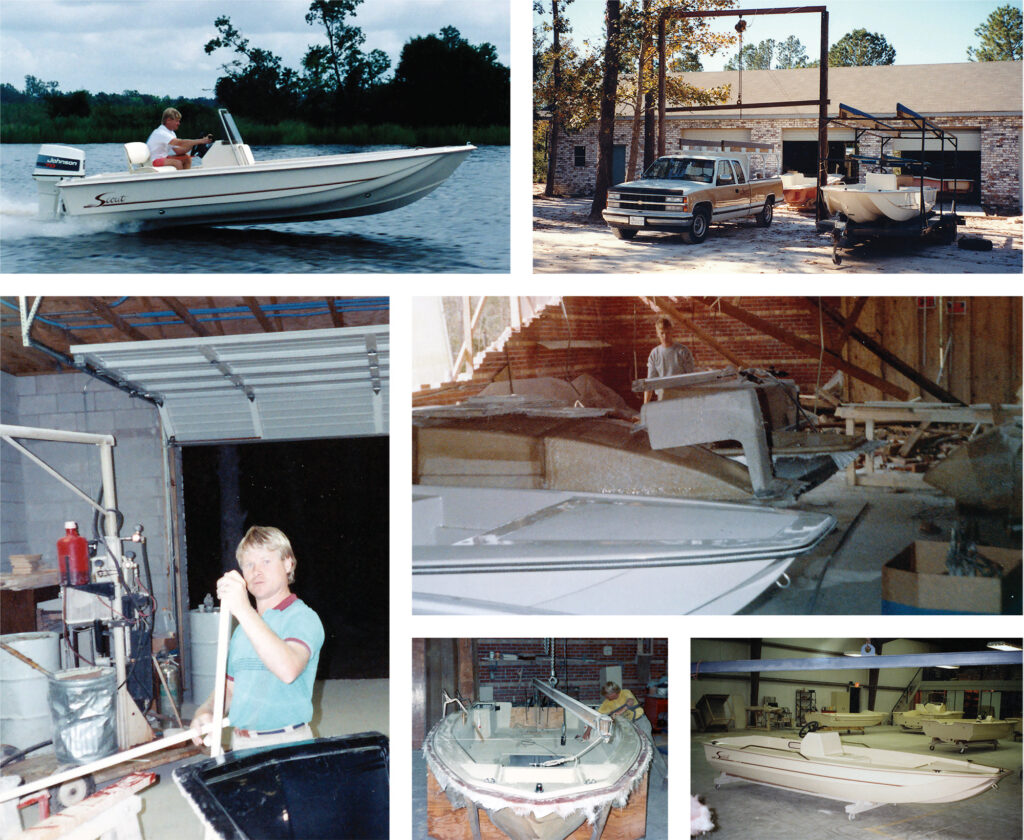
As I entered middle school, my homeward route took me past a garage where a mechanic was performing a special kind of magic—assembling small fishing boats made of fiberglass and welded with resin. The smell of liquid resin tickled my nose and my imagination as I lingered before him to witness the miracle of boatmaking every day on my way home. Boatmaking combined two innate thrills for me—the maritime and the mechanical. I’ve mentioned the lure of the water; I was equally hypnotized by building things. Under different life circumstances, I would have been an engineer. To think you could mold some simple materials with your own hands and fashion a craft that would speed across the water with them, that was exhilarating to me. The mechanic could see my fascination, and eventually he offered me a job cleaning up all the scraps for a daily fortune of twenty-five cents. It was at that moment that my interest in school, already a thin thread, completely unraveled in favor of a front-row seat to the art and craft of hand-making this sophisticated machine. My affinity for cars, boats, and planes knew no bounds; had I passed an automobile plant daily during junior high school, I might have created the company building Teslas, but the title of this book is Boat Boy, not Car Boy.
The disposition of these handmade boats put the whole operation in the bonus round for me. The mechanic would take each one out to a gas station and peddle it to passersby, selling one at a time and making a profit. My preteen mind was attempting to wrap itself around the concept that you could spend evenings deep breathing that intoxicating resin, find fulfillment assembling this complex vehicle, and get someone to pay you for it. You could have the world’s best hobby and make a living doing it. I don’t know that I could articulate that point much beyond loving hanging around the shop and being adjacent to the process, but there’s no doubt that it was my gateway drug to the boatbuilding business, which even today still feeds my soul. And then, it got even better: I got fired.
With neighbors breathing down his neck about the stench from the resin, the mechanic decided he needed to discontinue the garage side hustle, putting me out of a job. For about a minute. He would concentrate on his full-time job as a mechanic in The Outboard Shop, where they built an upscale boat called a Scout, similarly handmade of fiberglass and resin. He suggested I swing by and apply for a job there, having learned the basics of boatbuilding at his side. Whatever small corner of my mind school was managing to occupy at that point gave way to an actual real-world job making money doing something I loved.
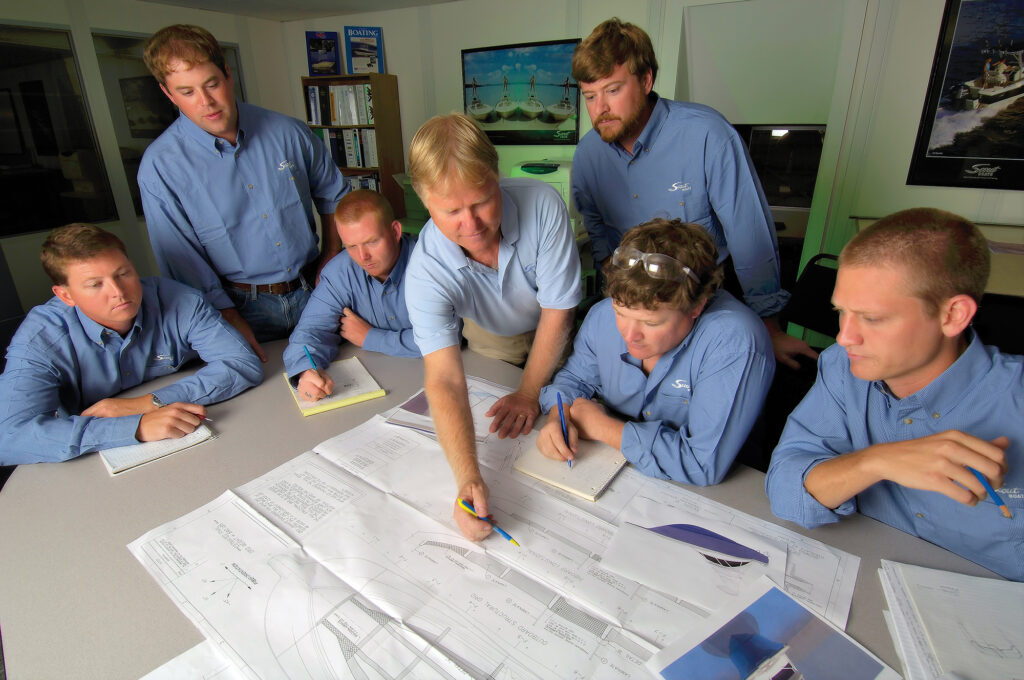
Let me take a small detour here and wax poetic about fiberglass. For centuries, boats were built with wood, and even at that time a lot of them still were. But wood rots, whereas fiberglass does not, and our big selling point about these little Scouts I began building when I was 12 that they were almost completely fashioned in fiberglass, with the ironic exception of the transom, which was wood encapsulated with fiberglass. Even the seats were steel molds covered in fiberglass, so that the boat was unsinkable, allowing the Outboard Shop to offer lifetime warranties for its boats—quite the selling point when buyers were dropping tens of thousands of dollars on one.
From age 14 to 17, I worked weekends and summers at the Outboard Shop making six times the minimum wage, then $1.25, eventually doing all the repair work and building the smaller Scouts.
Imagine how intoxicating this all was for a 16-year-old boy, earning more than some of the fathers in the neighborhood, learning a lifelong skill, and accumulating life lessons about how to work with people, how to run a shop, and so on. I could buy a cool car that would attract the ladies and fast boats to race on weekends, and between the money and status among my peers and the responsibility and maybe the resin fumes, school could not compete. With my father out at sea, I stopped attending class and instead began working full time during the day, while continuing to represent to my mother that I was in school. When she found out the truth, she went biblical, wailing and moaning, rending garments, and all that. Not literally, of course, but she was furious and asked some neighbors to intervene. It was pretty clear at that point that I was wasting my time learning about dangling participles and the Boer War when I could be building boats; I had been a poor student for a couple of years simply because my head was not in the game. But the owner of the Outboard Shop agreed with my mom, and so to mollify them, I took courses at the local community college to earn my GED and get some engineering credits while I pursued my boatbuilding career. And that lasted all of six months.
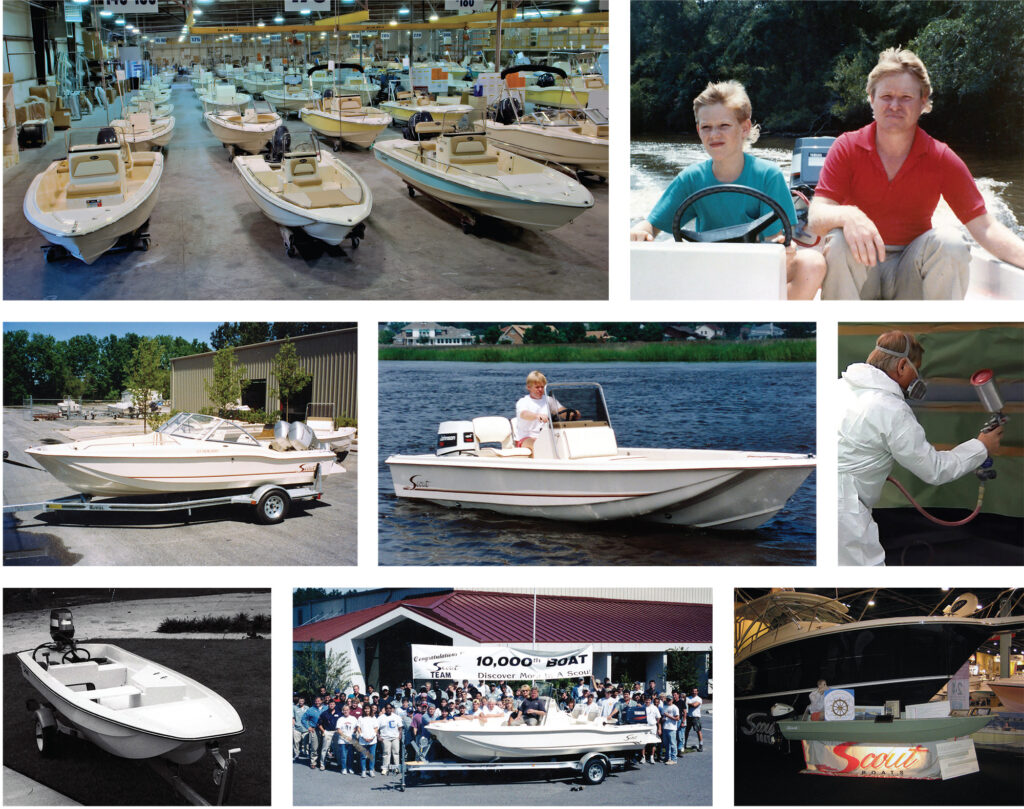
We started building race boats, and so naturally, I had to build and race them. It’s not like I had a choice, being a red-blooded American boy with more money than he knew what to do with at age 17. Although the primary purpose of racing was purely recreational, I was learning some crucial lessons about boat performance—the running bottom characteristics that make them fast and stable—and I was testing that knowledge every weekend against my fellow racers. I put a big motor on a small boat and whipped up on the competition because I had a better understanding of its performance attributes than anyone else my age. Being a hotshot who could run a boat over 100 miles per hour was far more fascinating than solving equations about the force per unit of area in a solid, so school once again finished last in the race against everything else in my life. My parents were mortified; my father thought I was a dope, but I was self-reliant, mature, and respected by my peers and bosses for aptitude around boats, and my prospects were pointing upward, at least in the short term.
All that would come into play in the next great development—procuring my life partner. Like my business success, this involved several significant setbacks at the beginning but fortunately, because I was immune to reason, I persevered and won Dianne’s hand. The thing is, winning boat races and driving a fancy red hot rod, well, I might as well have been the lead guitarist in a rock band. Though shy by nature, I had developed a certain level of confidence by age 18, and fate deposited me at the place all young men frequent when seeking the woman of their dreams: the Shoney’s drive-thru. I was at the wheel of my GTO, and a comely small-town girl was in the passenger seat in the car ahead of me. So I pulled my car beside hers so that we were window to window, and, gentlemen, pay attention here because you are about to bear witness to a technique with the ladies that could change your life. We smiled at each other, and I bestowed upon her a pickup line for the ages, one that will undoubtedly be immortalized in the history books, placing me beside Romeo, Casanova, and Sir Walter Raleigh in the annals of suave purveyors of the craft.
“How tall are you?” I asked.
You see, I’m five feet six and was not inclined to date a girl who required me to stand on my toes to kiss. Being five feet five or shorter was a litmus test for all prospective girlfriends, and since we were both seated, I needed this crucial piece of information before commencing the full-on flirt. Some over the years, Dianne herself included, have mocked my opening salvo as awkward and unsophisticated, but I beg to differ. I was the model of efficiency, establishing a baseline for our relationship with four short words. Besides, scoff all you like, but the question elicited a laugh from her and began a conversation, during which three critical pieces of intelligence were gleaned: (1) She was five feet four, solidly in the Goldilocks zone; (2) She was a senior in high school, again, perfectly situated for my intentions; and (3) She had a boyfriend. This one was suboptimal.
Dianne had been dating a guy who’d joined the Army, which inconveniently for them, had shipped him to Alaska—the very hour before. Dianne’s world had been shattered, and she was drowning her tears in a burger and fries when I happened along in a hotshot car, prompting her troubles to melt away. Despite the possible complication of an incumbent boyfriend, I asked her out for Saturday, and we had a swell time on my boat, her meticulously coiffed hair blowing in the breeze like pelican wings. When I returned her to her house, there stood before us her brother and another fellow in a tux. It turned out that Dianne was headed with him to the prom that very night. “Wait, I thought you had a boyfriend,” I said, now finding myself dropping to third on Dianne’s depth chart. But she explained that this guy was serving as her wingman for the prom in the absence of her one true love, now safely ensconced in the 49th state. And, in fact, our relationship began to flourish over the next several months, and the boyfriend detail began to recede from my memory, until the fateful day she got in my car and said she had to tell me something. You know how nothing good ever comes from the girl you’re dating having “to tell you something,” particularly when there is this hazy recollection of a boyfriend? This was worse. It was a bombshell.
“I’m kind of engaged,” she informed me.
Listen to our conversation with Steve Potts here >>
This article originally appeared in the December 2025 issue of Power & Motoryacht magazine.