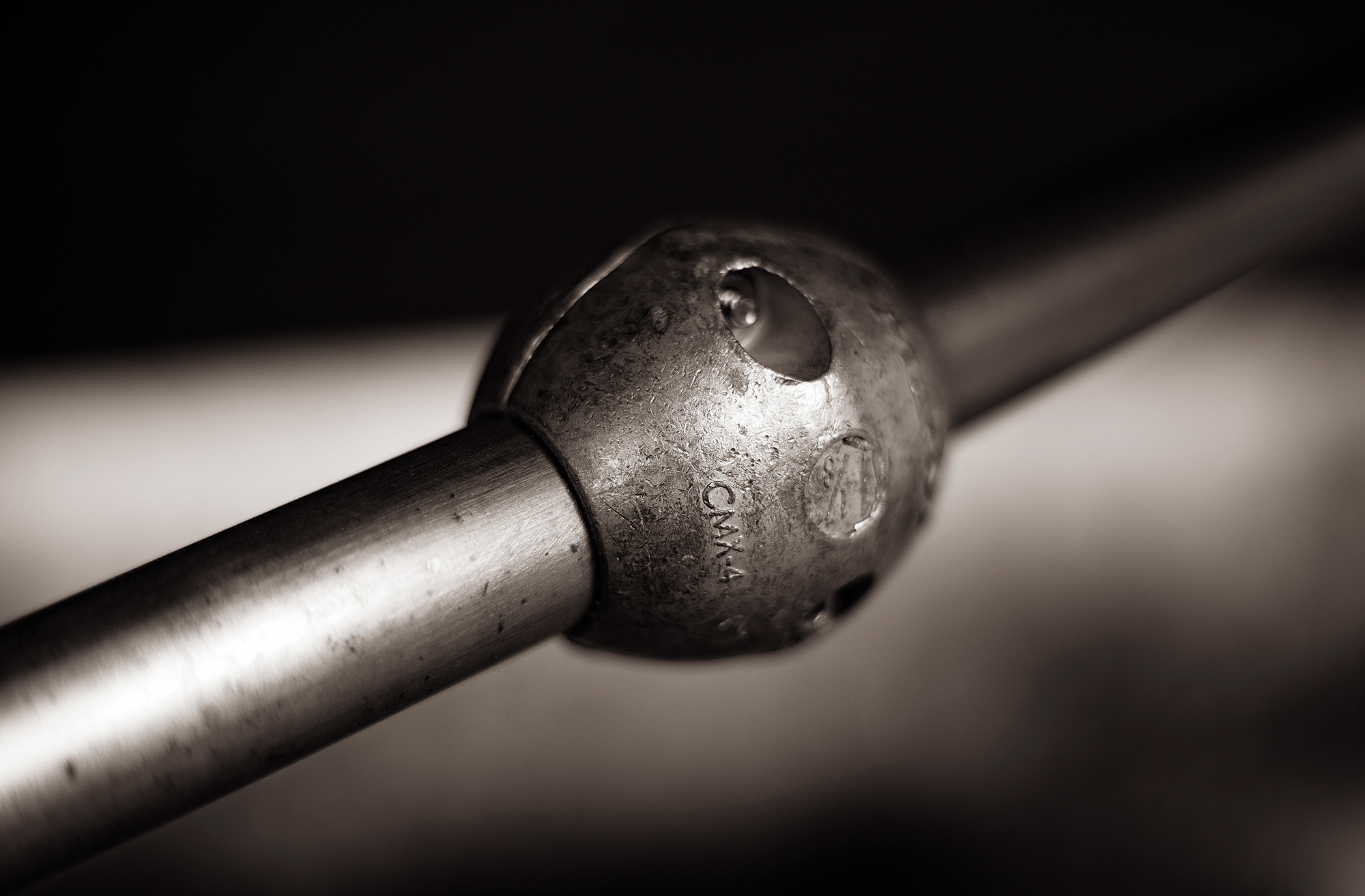
Unsung heroes of the boating world for the last two centuries, sacrificial anodes have stood on the front lines of an endless blood feud between metal and electrical current. First conceived as a hypothesis in 1806 by the famed—yet largely forgotten—British chemist and inventor Sir Humphry Davy, these sacrificial metals were put to use in 1824 to prevent the corrosion of copper-clad British naval ships.
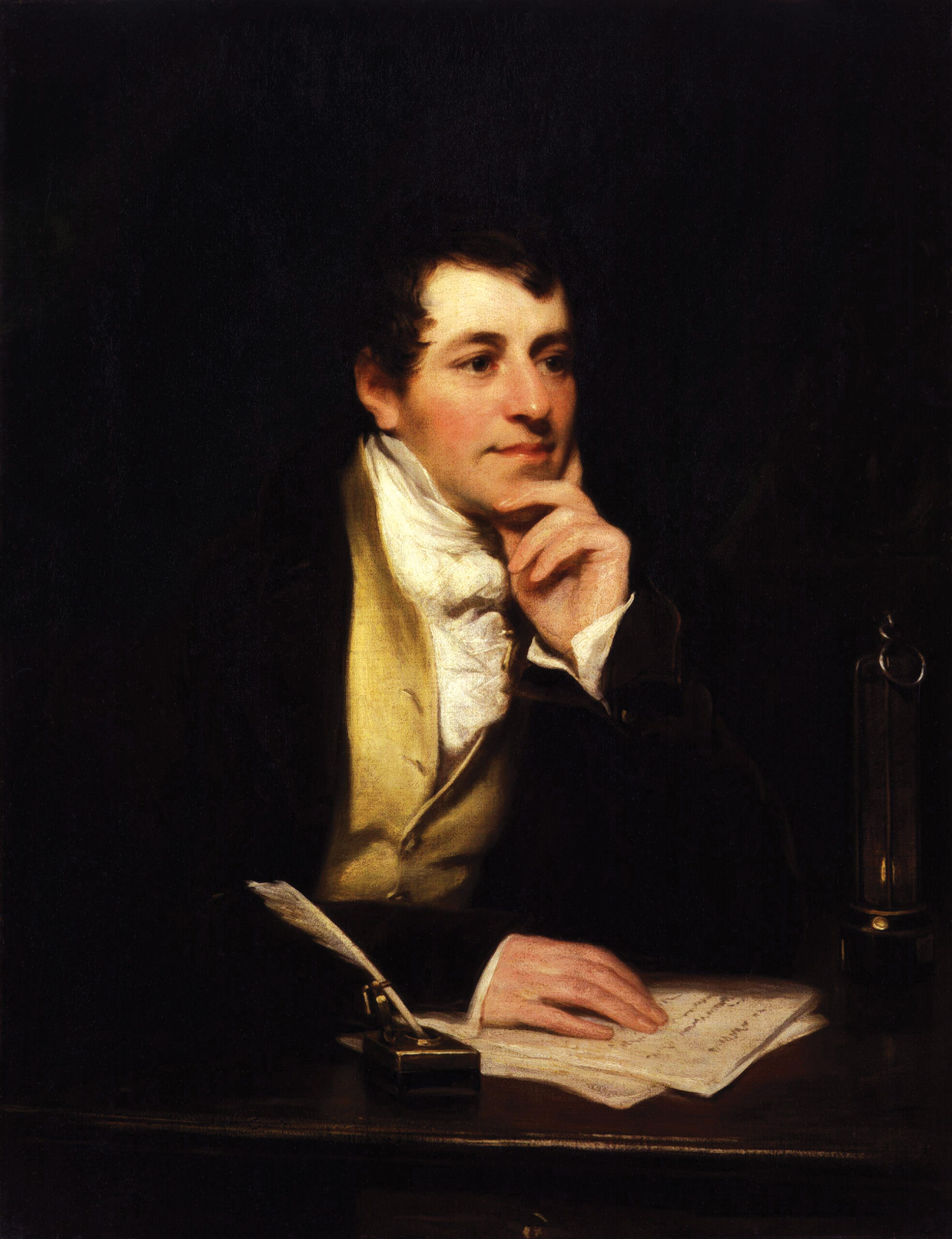
Davy’s contributions to science over the ensuing decades were myriad. He is credited with the discovery of seven elements: potassium, sodium, calcium, strontium, barium, magnesium, and boron. He invented the Davy Lamp, a remarkable lantern that could be used in flammable conditions, he experimented extensively with nitrous oxide, and ultimately discovered how the gas could be used as an anesthetic during surgery—even giving it the moniker that stands to this day: laughing gas.
So, as you head to your local marine store and scoop up a pair of shaft zincs—one of the few products born to be sacrificed—for $20 a piece, let’s tip our caps to the man who never got to see just how much his discovery would improve our pastime—and dentistry—forever.
This article originally appeared in the August/September 2025 issue of Power & Motoryacht magazine.